Train vs. Flight to Lhasa: Which is Better for Your Tibet Trip?
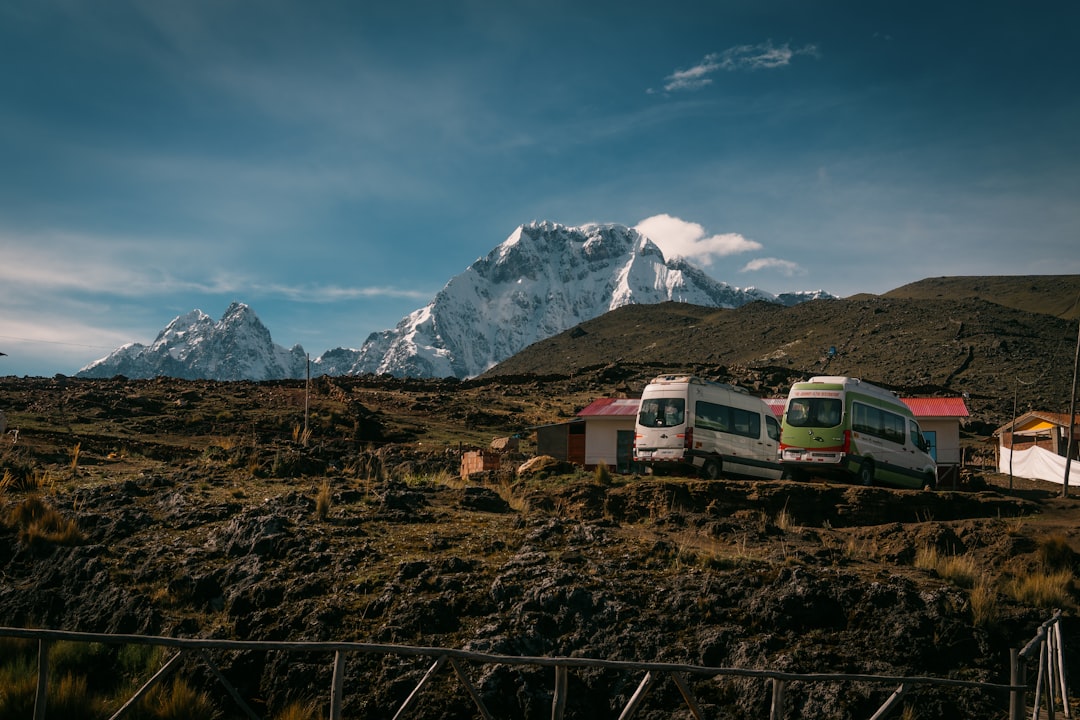
Taking the train to Lhasa offers stunning scenery and may help with gradual acclimatization, but takes 20-48 hours depending on departure city. Flying is faster (2-8 hours) but can worsen altitude sickness due to sudden elevation change. Choose the train for the experience and scenery; fly if you are short on time.
Both options require the Tibet Travel Permit before boarding—you cannot simply show up at the station or airport without this document arranged in advance.
Overview: Both Require a Permit
Before comparing train and flight options, understand that both require the same paperwork:
- Tibet Travel Permit (arranged by your travel agency)
- Chinese visa (for most passport holders)
- Valid passport
Your travel agency must secure your permit before you can board either transportation. This is non-negotiable and catches many travelers off guard.
Train to Lhasa: Pros, Cons, and Routes
Why take the train?
Scenery: The Qinghai-Tibet Railway is the world’s highest railway line. The stretch between Golmud and Lhasa crosses the Tanggula Pass at 5,072 meters and offers views of snow-capped peaks, grasslands, and Tibetan wildlife.
Gradual ascent: The train rises through progressively higher elevation, which may help your body adjust. Some travelers report fewer altitude sickness symptoms after arriving by train.
Cost: Train tickets are typically more economical than flights.
The experience: The train journey itself is memorable. Watching the landscape change from Chinese lowlands to Tibetan plateau is a highlight for many travelers.
Why not take the train?
Time: The journey is long—very long for some routes.
Limited availability: Sleeper tickets sell out quickly, especially during peak season. Book well in advance through your travel agency.
Not a magic cure for altitude sickness: The train maintains supplemental oxygen in the cars, which may limit acclimatization benefit. Some travelers still get altitude sickness upon arrival.
Train routes and duration
| Departure City | Approximate Duration |
|---|---|
| Xining | 22 hours |
| Beijing | 40 hours |
| Shanghai | 48 hours |
| Chengdu | 36-40 hours |
| Guangzhou | 55 hours |
Tip: If you want the scenic train experience without the marathon journey, take a short flight to Xining, then the train to Lhasa. The Xining-Lhasa segment covers the most spectacular scenery.
Flight to Lhasa: Pros, Cons, and Departure Cities
Why fly?
Speed: You save one to two days compared to the train. For travelers with limited vacation time, this matters.
Convenience: Multiple daily flights from major Chinese cities make scheduling flexible.
Comfort: Modern aircraft, standard airline service, and a predictable travel time.
Why not fly?
Sudden altitude change: Flying from sea level to 3,656 meters can trigger severe altitude sickness. Your body has no time to adjust.
Less memorable: Flying is just transportation. The train journey is an experience.
Weather delays: Lhasa’s high-altitude airport sometimes experiences weather-related delays, especially in winter.
Flight departure cities
Flights to Lhasa are available from over 20 Chinese cities. Popular departure points include:
| City | Flight Duration | Notes |
|---|---|---|
| Chengdu | 2 hours | Most frequent flights, popular gateway |
| Beijing | 4-5 hours | Daily flights |
| Shanghai | 5-6 hours | Multiple flights daily |
| Xian | 3 hours | Good option for Silk Road combination trips |
| Xining | 2 hours | Short hop, often combined with train option |
Chengdu has the most frequent flights to Lhasa and is a common gateway city for Tibet travel.
Acclimatization: Does the Train Help?
This is the most debated question about train vs. flight.
The argument for the train: You ascend gradually over many hours, giving your body time to begin adjusting to lower oxygen levels.
The counterargument: Train cars maintain supplemental oxygen, so you are not actually experiencing the full altitude during the journey. Your body may not acclimatize as much as you think.
The reality: Some travelers feel better after taking the train; others do not. Individual results vary significantly. The train is not a guaranteed solution for altitude sickness.
Practical advice: Regardless of how you arrive, plan for 1-2 days of rest in Lhasa. Neither train nor flight eliminates the need for proper acclimatization.
Cost Comparison
Train tickets are generally cheaper than flights, but the difference varies by:
- Season (peak season increases prices for both)
- Departure city
- Ticket class (soft sleeper vs. hard sleeper on trains)
Your travel agency can provide current pricing for your specific dates and route.
Which Should You Choose?
Choose the train if:
- You have time and want the experience
- The scenery appeals to you
- You want to potentially ease acclimatization
- Budget is a concern
Choose the flight if:
- You have limited vacation time
- You want to maximize time in Tibet itself
- Long train journeys are physically difficult for you
- You have already acclimatized in a gateway city
The hybrid option:
Many travelers fly to Xining (which sits at 2,275 meters), spend a day acclimatizing there, then take the train to Lhasa. This combines the time savings of flying with the scenic train experience and a more gradual final ascent.
Summary: Decision Guide
| Factor | Train | Flight |
|---|---|---|
| Time | 20-55 hours | 2-8 hours |
| Scenery | Spectacular | Limited to window views |
| Altitude adjustment | Gradual ascent | Sudden change |
| Cost | Lower | Higher |
| Permit required | Yes | Yes |
| Best for | Experience-seekers, budget travelers | Time-constrained travelers |
Final words
More reading and next steps
That is the main thread of the article. Keep the links below handy, and use the related posts to continue exploring the same topic from a different angle.
Comments