Tibet Monastery Etiquette: Rules, Photography, and Cultural Taboos for Visitors
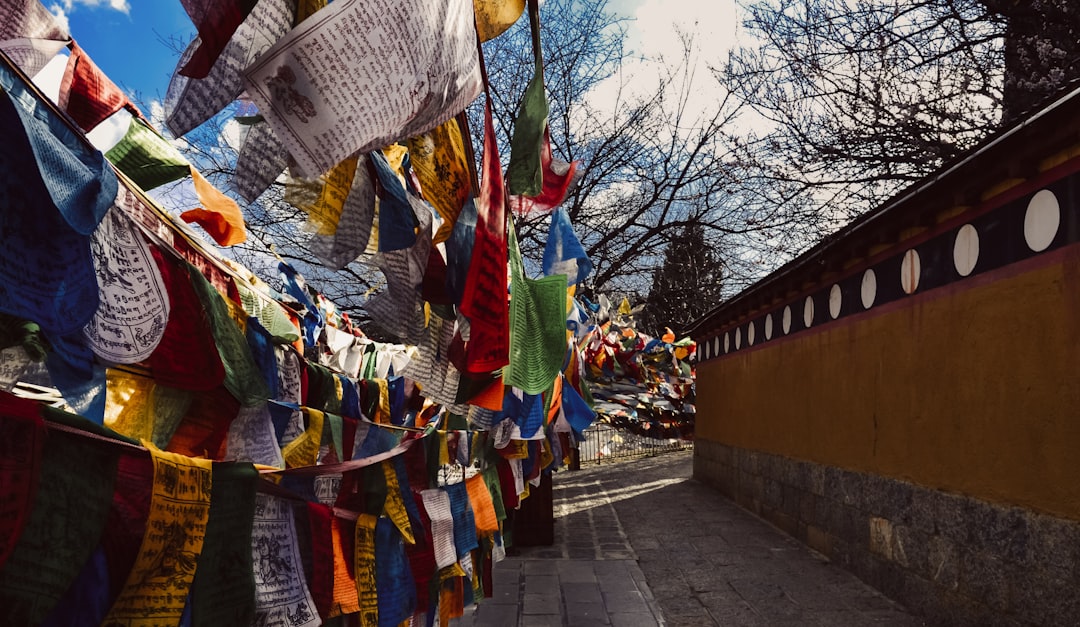
When visiting Tibetan monasteries, walk clockwise around religious sites, remove hats and sunglasses before entering temples, dress modestly, and ask permission before photographing people. Photography is often prohibited inside temple halls—look for signs or ask your guide. Never point your feet at sacred objects or people.
Tibetan Buddhism is central to daily life in Tibet. Monasteries are not tourist attractions but active places of worship. Understanding and following basic etiquette shows respect for local culture and prevents awkward or offensive situations.
Why Cultural Respect Matters in Tibet
Tibetans take their religious practices seriously. The monasteries you visit are their sacred spaces, not museums. Pilgrims travel great distances to circumambulate holy sites, and monks devote their lives to spiritual practice.
As a foreign visitor, you are a guest in their religious space. Following proper etiquette:
- Shows respect for Tibetan culture
- Prevents causing offense
- Allows you to observe genuine religious practices
- Creates positive interactions with locals
Before You Enter: Dress and Preparation
Dress code
Tibetan monasteries expect modest attire. This is not a strict enforced rule, but a matter of respect:
- Avoid shorts and mini-skirts
- Avoid revealing tops or tank tops
- Long pants and sleeved shirts are appropriate
- Remove hats and sunglasses before entering temple halls
What to bring
- Small bills for offerings (optional but common)
- Camera (if photography is allowed)
- Your permit documents
What not to bring
- Drones (generally prohibited)
- Large bags (may need to be checked at entrance)
Walking Direction: The Clockwise Rule
This is one of the most important rules to remember.
Always walk clockwise
When circumambulating (walking around) religious sites, always walk clockwise. This applies to:
- Stupas and chortens
- Prayer wheels
- Temples and monasteries
- Sacred mountains
- Barkhor Street in Lhasa
How to follow this rule
- Observe the direction of pilgrims and follow them
- If unsure, ask your guide
- Never walk counter-clockwise around a sacred site
Real example: A tourist once walked counter-clockwise around Barkhor Street and was immediately corrected by a local. The kora (pilgrimage circuit) only goes in one direction—clockwise.
Inside the Temple: Behavior and Body Language
Body position
- Do not point your feet at sacred objects, statues, or people
- Do not sit with your back to the main altar
- Sit respectfully if invited to do so
- Stand when monks enter or exit
Physical contact
- Do not touch religious artifacts or statues without permission
- Do not touch the head of any person (considered sacred in Tibetan culture)
- Do not step over people who are prostrating
Voice and behavior
- Speak quietly
- Turn off your phone or set to silent
- Do not interrupt prayers or ceremonies
- Step back if you are blocking pilgrims
Photography: What You Can and Cannot Photograph
Photography rules vary by monastery. Some allow it freely, some prohibit it entirely, and some charge a photography fee.
General guidelines
- Ask your guide about photography rules at each location
- Look for posted signs prohibiting cameras
- When in doubt, ask before taking photos
- Never use flash on paintings or ancient artifacts
People photography
Always ask permission before photographing:
- Monks and religious practitioners
- Local people, especially pilgrims
- Anyone performing religious activities
Real example: A photographer once took photos of a monk without asking and was told to delete them. Always request permission first, especially for religious figures.
Inside temple halls
Photography is often prohibited inside the main temple halls. This is because:
- Flash damages ancient paintings
- Photography disrupts worship
- Some images are considered too sacred to photograph
If photography is allowed with a fee, pay it rather than sneaking photos. The fees support monastery maintenance.
Interacting with Monks and Locals
Greetings
- A slight bow with hands together is respectful
- Learn a few Tibetan phrases like “Tashi delek” (hello/good luck)
Conversations
- Avoid discussing sensitive political topics
- Do not ask intrusive questions about monastic life
- Accept tea or food if offered (it is polite to accept)
Offering donations
- Small donations are appreciated but not required
- Place money in offering boxes rather than handing directly to monks
- Some monasteries have specific donation practices—follow your guide’s lead
Common Mistakes and How to Avoid Them
Mistake 1: Walking counter-clockwise
This is the most common mistake foreigners make. Always observe and follow the clockwise flow around religious sites.
Mistake 2: Photographing without permission
Many travelers assume photography is fine. Always ask, especially of people and inside temples.
Mistake 3: Inappropriate dress
Shorts and revealing clothing signal disrespect. Dress modestly even in summer heat.
Mistake 4: Touching sacred objects
Do not touch statues, paintings, or ritual objects unless explicitly invited to do so.
Mistake 5: Disrupting ceremonies
If a prayer session or ceremony is happening, observe quietly from a distance. Do not walk in front of practitioners or make noise.
Additional Taboos to Know
Sky burial sites
Sky burial sites are strictly off-limits to foreign visitors. Do not attempt to visit or photograph these areas.
Sacred items
- Do not step over mani stones (stones with carved prayers)
- Do not walk on prayer flags
- Do not remove any religious items
Political sensitivity
- Avoid discussing the Dalai Lama with locals
- Do not display political symbols or materials
- Refrain from sensitive political discussions in public spaces
Summary: Quick Etiquette Checklist
Before entering
- Dress modestly
- Remove hat and sunglasses
- Check photography rules
Walking and movement
- Walk clockwise around all religious sites
- Do not point feet at sacred objects or people
- Do not step over mani stones or prayer flags
Inside temples
- Speak quietly or remain silent
- Do not touch sacred objects without permission
- Turn off phone or set to silent
Photography
- Ask permission before photographing people
- Check if photography is allowed inside
- Pay photography fees where required
Interactions
- Be respectful of monks and pilgrims
- Avoid sensitive political topics
- Accept hospitality graciously
Final words
More reading and next steps
That is the main thread of the article. Keep the links below handy, and use the related posts to continue exploring the same topic from a different angle.
References and links
- China Dragon Travel: Tibetan Monastery Photography Etiquette Comprehensive photography etiquette guide for monastery visits
- China Highlights: Tibet Travel Restrictions and Taboos Overview of cultural taboos and respect guidelines
- Tibet Travel: Things Forbidden in Tibet List of forbidden actions and dos and don'ts for travelers
- Great Tibet Tour: Etiquette and Taboos Detailed etiquette guide with practical examples
Comments