What to Pack for Tibet: Essential Packing List for High-Altitude Travel
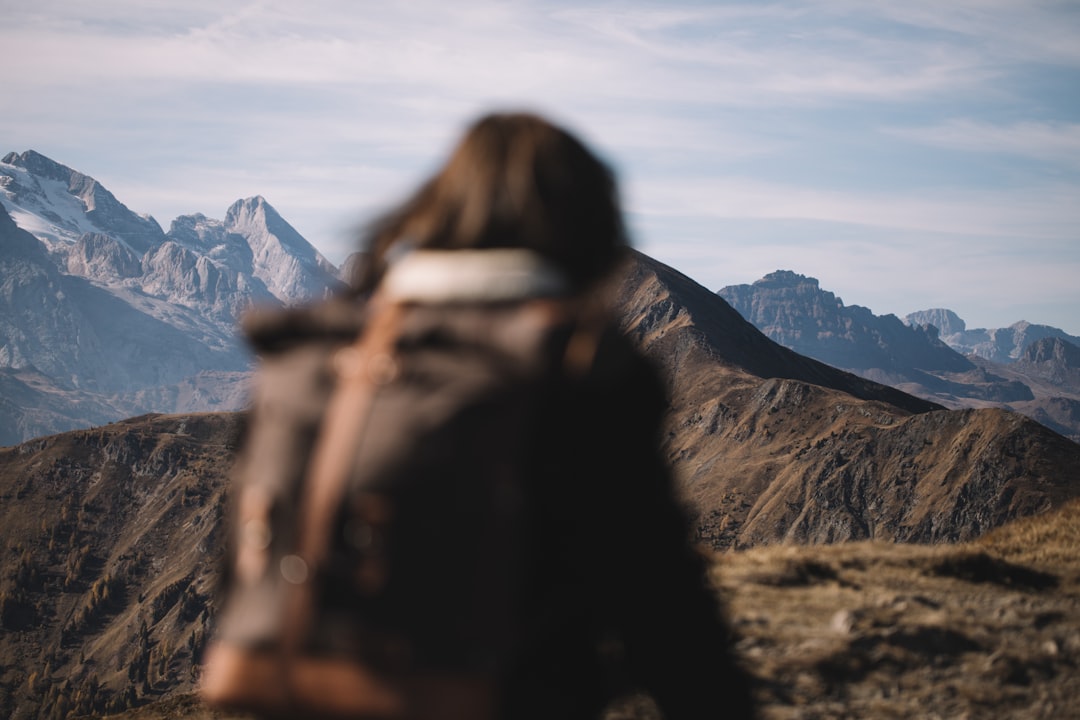
Pack layered clothing for temperature swings, high-SPF sunscreen and sunglasses for intense UV, a quality down jacket for cold nights, moisturizer for dry air, and any personal medications. Bring your passport and Tibet Travel Permit copies. Consider bringing toilet paper and learning to use squat toilets.
Tibet’s high altitude creates unique packing challenges that catch many travelers off guard. The temperature difference between day and night can be dramatic, the sun is deceptively strong, and the dry air affects your skin and breathing. Here is what you actually need.
Why Tibet Requires Special Packing
Three factors make Tibet different from other destinations:
Altitude: At 3,656 meters in Lhasa (higher in other areas), you face reduced oxygen, intense UV radiation, and cold temperatures even in summer.
Temperature swings: Days can be warm and sunny while nights drop near or below freezing. A 20-degree Celsius daytime temperature might drop to -5 at night.
Dry air: The Tibetan plateau is extremely dry. This affects your skin, lips, and respiratory system.
Clothing: Layering for Temperature Swings
The key principle: layers over one thick jacket. This lets you adjust throughout the day as temperatures change.
Base layers
- Thermal underwear (top and bottom) for colder seasons
- Moisture-wicking t-shirts
- Comfortable pants (avoid tight jeans that restrict movement)
Mid layers
- Fleece jacket or sweater
- Long-sleeve shirts
Outer layer
- Quality down jacket (essential for areas above 4,000 meters)
- Windproof and water-resistant outer shell
- Warm hat that covers your ears
- Gloves
Footwear
- Comfortable walking shoes with good grip
- Warm socks (wool or synthetic, not cotton)
- Sandals or flip-flops for hotel use
A word on down jackets: A budget down jacket may not be sufficient for Everest Base Camp (5,200 meters) or areas beyond Lhasa. Invest in quality gear if your itinerary includes higher elevations.
Sun Protection: UV Intensity at Altitude
The UV radiation at 3,656 meters is significantly stronger than at sea level. You can get severe sunburn on cloudy days.
Essential sun protection
- High-SPF sunscreen (SPF 50+ recommended)
- Sunglasses with UV protection (wraparound style is best)
- Wide-brimmed hat or cap
- Lip balm with SPF
Apply sunscreen liberally and frequently—every two hours, more often if sweating. Do not skip this even on overcast days. Travelers with fair skin have experienced severe sunburn on their first day in Lhasa from just a few hours of exposure.
Cold Weather Gear: Quality Matters
Nights in Tibet are cold year-round. Even in summer, temperatures can drop below freezing at higher elevations.
- Quality down jacket (not a thin fashion puffer)
- Warm hat covering your ears
- Gloves or mittens
- Warm scarf
If you are traveling to Everest Base Camp or western Tibet, a high-quality down jacket is essential. A cheap jacket will not keep you warm at 5,000+ meters.
Skin and Health: Moisturizer, Medication, Oxygen
Skin care
- Face moisturizer (the dry air will dry out your skin quickly)
- Hand cream
- Lip balm (multiple tubes—you will use it constantly)
Health items
- Any personal prescription medications (with copies of prescriptions)
- Over-the-counter pain relievers (altitude headaches are common)
- Stomach medicine (changes in diet and water can cause issues)
- Cold medicine (respiratory infections at altitude are more serious)
Altitude-related items
- Portable oxygen canisters (available in Lhasa for 10-20 yuan each)
- Some travelers bring Diamox (acetazolamide) for altitude—consult your doctor first
Practical Items: Toilet Paper, Payment Apps
Toiletries
- Toilet paper (not always provided in public restrooms)
- Hand sanitizer
- Wet wipes
- Tissues
Payment methods
- WeChat Pay or Alipay (essential for most purchases)
- Chinese yuan in cash (for smaller vendors and remote areas)
- Credit cards are less commonly accepted
Electronics
- Power bank (cold temperatures drain batteries faster)
- Power adapter (China uses Type A, C, and I plugs)
- Camera with extra batteries
Other useful items
- Flashlight or headlamp (power outages happen)
- Reusable water bottle
- Sunglasses case
- Small backpack for day trips
Documents: Passport and Permit Copies
Keep these documents with you at all times:
- Passport (original)
- Tibet Travel Permit (original and copies)
- Chinese visa
- Travel insurance documents
- Emergency contact information
Store copies separately from originals in case of loss.
What NOT to Pack
Avoid bringing:
- Excessive clothing (layering is more effective)
- High heels or dress shoes (useless on Tibetan terrain)
- Expensive jewelry (attracts unwanted attention)
- Prohibited items (check current regulations—some items cannot enter Tibet)
Packing by Season
Summer (June-August)
Warmest time, but still pack:
- Layers for temperature swings
- Rain jacket (monsoon season)
- Sun protection
Winter (November-March)
Very cold, but fewer tourists:
- Heavy down jacket
- Multiple warm layers
- Insulated boots
Shoulder seasons (April-May, September-October)
Good balance of weather and crowds:
- Mixed layers
- Medium-weight down jacket
- Sun protection still essential
Summary Checklist
Clothing
- Base layers (thermal underwear, t-shirts)
- Mid layers (fleece, long-sleeve shirts)
- Quality down jacket
- Comfortable walking shoes
- Warm hat, gloves, scarf
- Warm socks
Sun protection
- High-SPF sunscreen
- Sunglasses with UV protection
- Wide-brimmed hat
- SPF lip balm
Health and comfort
- Moisturizer and hand cream
- Personal medications
- Toilet paper and tissues
- Hand sanitizer
Documents
- Passport
- Tibet Travel Permit
- Chinese visa
- Travel insurance
Electronics
- Power bank
- Power adapter
- Camera/phone
Final words
More reading and next steps
That is the main thread of the article. Keep the links below handy, and use the related posts to continue exploring the same topic from a different angle.
Comments