How to Prevent Altitude Sickness in Tibet: Acclimatization Tips for First-Time Visitors
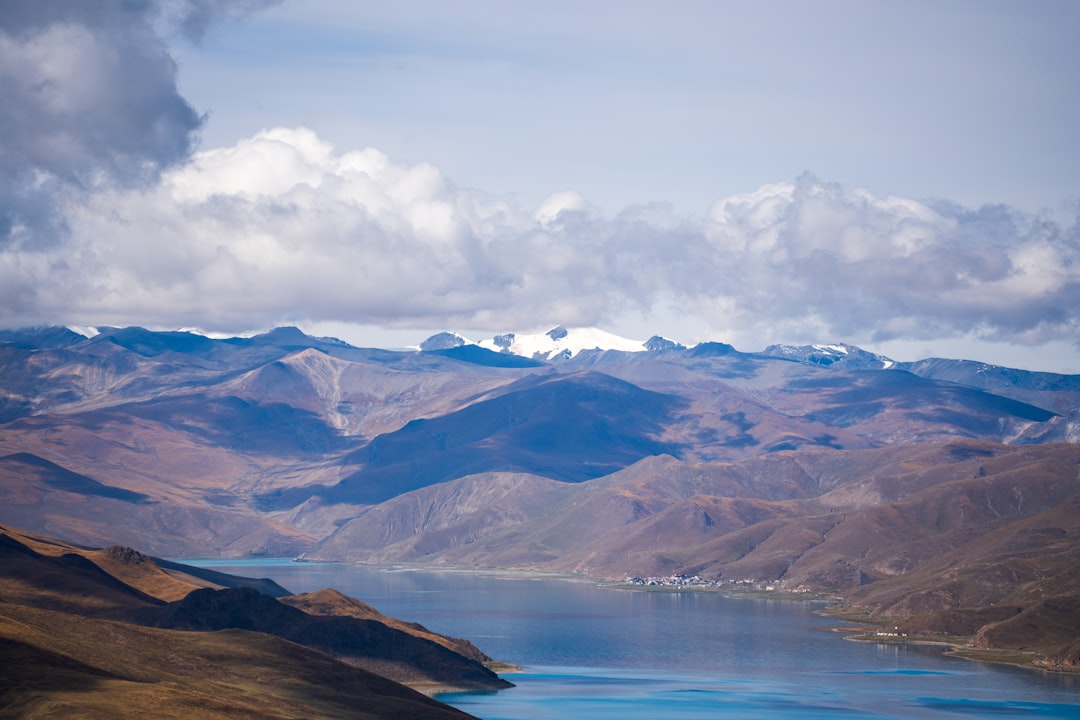
Lhasa sits at 3,656 meters (11,990 feet), high enough to cause altitude sickness in many visitors. To minimize risk, rest for 1-2 days after arrival, walk slowly, stay hydrated, avoid alcohol and strenuous exercise, and consider booking a hotel with oxygen supply.
Altitude sickness affects people differently—your fitness level does not guarantee protection. Understanding how to acclimatize properly can make the difference between an enjoyable trip and a miserable one.
What is Altitude Sickness?
Altitude sickness (acute mountain sickness) occurs when your body cannot get enough oxygen at high elevation. At 3,656 meters, Lhasa has about 35% less oxygen than sea level. Your body needs time to adjust to this reduced oxygen environment.
Common symptoms
- Headache (the most common symptom)
- Nausea or loss of appetite
- Fatigue and weakness
- Shortness of breath
- Dizziness
- Difficulty sleeping
Most symptoms are mild and improve with rest. However, severe altitude sickness (HAPE or HACE) requires immediate medical attention and descent.
Who gets it?
Anyone can develop altitude sickness, regardless of age or fitness level. Being physically fit does not protect you. In fact, some athletes push themselves too hard at altitude because they expect their bodies to perform normally.
Before You Arrive: Preparation Tips
Consider gradual ascent
Taking the train to Lhasa from Xining (about 22 hours) may help your body adjust more gradually than flying directly. The train ascends through progressively higher elevation, though the train cars maintain supplemental oxygen.
Consult your doctor
If you have heart or lung conditions, discuss your Tibet plans with a doctor before traveling. Some travelers take Diamox (acetazolamide) as a preventive measure, but this requires a prescription and medical advice.
Pack wisely
- Bring any personal medications
- Consider packing over-the-counter headache medicine
- Some travelers bring portable oxygen canisters, though these are available in Lhasa
First 48 Hours in Lhasa: What to Do
Day 1: Rest and hydrate
When you arrive in Lhasa, your priority is rest. This is not the day to explore the Potala Palace or walk around Barkhor Street.
- Check into your hotel and lie down
- Drink plenty of water (more than you think you need)
- Avoid alcohol completely
- Do not smoke
- Eat light meals
If your hotel has oxygen-infused rooms, use them. Many hotels in Lhasa offer this amenity, and it can significantly improve your first night’s sleep.
Day 2: Gentle activity
On your second day, you can begin gentle activity but keep it slow.
- Walk at a relaxed pace
- Take frequent breaks
- Continue drinking water
- Still avoid alcohol
Listen to your body. If you develop a headache, fatigue, or shortness of breath, rest immediately.
What to Eat and Drink
Do drink
- Water (aim for 3-4 liters per day)
- Ginger tea (helps with nausea)
- Hot soups and broths
Do not drink
- Alcohol (dehydrates you and worsens symptoms)
- Caffeine in excess (can disrupt sleep)
Foods that may help
- High-carbohydrate meals (easier to digest at altitude)
- Dark leafy greens and iron-rich foods (support oxygen transport in blood)
- Light, simple meals rather than heavy, fatty foods
Common Mistakes That Worsen Symptoms
Pushing too hard too soon
Many travelers feel fine upon arrival and immediately start exploring. Altitude sickness often develops 6-12 hours after arrival. That “fine” feeling can quickly change.
Ignoring early symptoms
A mild headache can become severe if you continue activity. Rest at the first sign of symptoms rather than pushing through.
Drinking alcohol
Alcohol depresses breathing and dehydrates you—both worsen altitude sickness. Save the barley wine for when you have fully acclimatized.
Catching a cold
Respiratory infections at altitude are more serious than at sea level. Keep warm, wash your hands frequently, and avoid people who are sick.
When to Seek Medical Help
Most altitude sickness improves with rest and hydration. However, some symptoms require immediate attention:
Warning signs of severe altitude sickness
- Severe headache that does not respond to pain relievers
- Persistent vomiting
- Extreme difficulty breathing
- Confusion or altered mental state
- Inability to walk in a straight line
If you experience these symptoms, seek medical help immediately. Lhasa has hospitals experienced in treating altitude sickness. In severe cases, descent to lower elevation is the most effective treatment.
Oxygen canisters are available for purchase in Lhasa, typically costing around 10-20 yuan each. These provide temporary relief but are not a substitute for proper acclimatization or medical care.
Summary: Quick Acclimatization Checklist
- Plan for 1-2 days of rest upon arrival
- Book a hotel with oxygen supply if possible
- Drink 3-4 liters of water daily
- Avoid alcohol for the first 48-72 hours
- Walk slowly and take frequent breaks
- Eat light, high-carbohydrate meals
- Rest immediately if you feel symptoms
- Know the warning signs of severe altitude sickness
Final words
More reading and next steps
That is the main thread of the article. Keep the links below handy, and use the related posts to continue exploring the same topic from a different angle.
References and links
- Tibet Travel: How to Prevent Lhasa Altitude Sickness Detailed prevention guide from local Tibet travel experts
- Experience Tibet: Altitude Sickness Prevention Tips Practical tips from tour operators with real traveler experience
- Adventures in Tibet: Altitude Sickness Overview Overview of symptoms, prevention, and treatment options
Comments