Do Foreigners Need a Tibet Travel Permit for Western Sichuan?
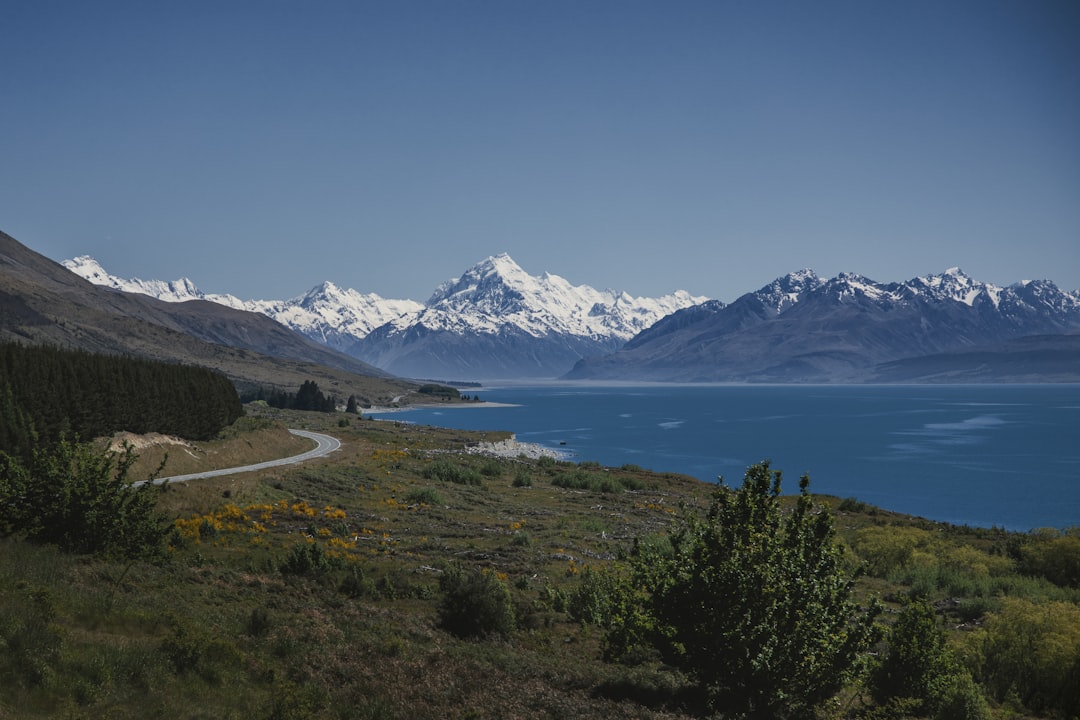
No. Western Sichuan (including Ganzi Tibetan Autonomous Prefecture and Aba Prefecture) is part of Sichuan province, not the Tibet Autonomous Region. Foreigners can visit with just a valid Chinese visa - no Tibet Travel Permit is required.
Why This Question Confuses Travelers
The confusion comes from the term “Tibetan areas.” Western Sichuan has Tibetan culture, Tibetan people, Tibetan monasteries, and Tibetan-style landscapes. Many travelers assume that any area with Tibetan culture must have the same permit requirements as Tibet.
But administratively, there’s a critical difference:
Tibet Autonomous Region (TAR) = Tibet proper, requires Tibet Travel Permit Tibetan areas in other provinces = Western Sichuan, parts of Qinghai, Yunnan, Gansu - no Tibet Travel Permit
Western Sichuan’s Ganzi and Aba prefectures are administratively within Sichuan province, which has much looser travel restrictions for foreigners compared to TAR.
The Key Distinction: TAR vs Sichuan Province
Tibet Autonomous Region (TAR)
To visit TAR, foreigners must:
- Obtain a Tibet Travel Permit (TTP)
- Book travel through a licensed tour agency
- Join an organized tour group (independent travel not allowed)
- Have guide accompaniment for certain areas
- Follow specific route restrictions
The TTP is issued by the Tibet Tourism Bureau. Your tour agency handles the application, but you cannot travel independently in TAR.
Western Sichuan (Sichuan Province)
Western Sichuan operates under Sichuan province regulations:
- Standard Chinese visa is sufficient
- No Tibet Travel Permit required
- Independent travel allowed
- You can travel by bus, self-drive, or hired car
- No requirement for tour group or guide
This is why Western Sichuan is often called “Tibet without the permit hassle” - you get Tibetan culture and scenery with the freedom of standard Chinese travel.
What the Tibet Travel Permit Actually Covers
The Tibet Travel Permit (also called TTB permit) specifically covers entry into the Tibet Autonomous Region. It does not apply to:
- Tibetan areas in Sichuan (Ganzi, Aba)
- Tibetan areas in Qinghai
- Tibetan areas in Yunnan (Shangri-La area)
- Tibetan areas in Gansu
If you want to visit Lhasa, Everest Base Camp (north side), or other TAR destinations, you need the TTP. For Western Sichuan destinations like Siguniang Mountain, Bipenggou, Kangding, or Daocheng Yading, you do not.
Advantages of Western Sichuan Over TAR
Independent Travel
In TAR, you must join an organized tour. In Western Sichuan, you can:
- Travel solo or with friends
- Plan your own itinerary
- Change plans mid-trip
- Stay longer or leave earlier without agency coordination
Cost
Organized TAR tours cost significantly more due to permit processing, mandatory guide, and agency fees. Western Sichuan trips can cost less since you handle your own logistics.
Accessibility from Chengdu
Western Sichuan destinations like Siguniang Mountain and Bipenggou are 3-4 hours from Chengdu by car. TAR requires flying to Lhasa or taking a long train journey.
Simpler Planning
No permit processing time. No agency booking requirement. You can decide to visit Western Sichuan and go the same week, unlike TAR which requires advance permit arrangements.
Uncertainty Note: Border Areas
Some sources mention that areas near the TAR border may have additional requirements. This applies to certain remote border zones, not standard tourist destinations like Siguniang Mountain or Bipenggou.
If you plan to visit very remote areas close to the TAR boundary, check current regulations. Most travelers to popular Western Sichuan destinations never encounter any permit checkpoints.
Travel regulations can change. Always verify current rules before any trip, especially if you plan to visit areas other than the main tourist destinations.
Related Knowledge
How to Visit Actual Tibet
If you want to visit the real Tibet Autonomous Region:
- Book through a licensed Tibet tour agency
- The agency applies for your Tibet Travel Permit
- Permit processing takes several days to weeks
- You join a tour group for your entire TAR stay
- Certain areas require additional permits beyond the basic TTP
Where to Find Tibetan Culture Without TAR
Besides Western Sichuan, other areas with Tibetan culture but no TAR permit:
- Shangri-La in Yunnan
- Parts of Qinghai province
- Labrang Monastery area in Gansu
All are accessible with standard Chinese visa.
Checking Current Regulations
Regulations can change. Before any trip:
- Check current travel information from official sources
- Consult recent traveler reports
- Contact local tourism authorities if visiting remote areas
Common Mistakes
Mistake 1: Assuming all Tibetan areas need permits
Many travelers see “Tibetan” in a destination description and assume permits are required. Always check which administrative region the destination belongs to.
Mistake 2: Booking unnecessary tours
Some travelers unnecessarily book expensive “Tibet-style” tours for Western Sichuan when they could travel independently. Know the permit boundaries.
Mistake 3: Not verifying current rules
Regulations change. What applied last year may differ this year. Always verify before traveling, especially for remote areas.
Summary
Western Sichuan offers Tibetan scenery and culture without Tibet Travel Permit requirements:
- Location: Sichuan province (Ganzi and Aba prefectures), not TAR
- Requirement: Standard Chinese visa only
- Travel style: Independent travel allowed, no tour group required
- Destinations: Siguniang Mountain, Bipenggou, Kangding, Daocheng Yading accessible
If you want to visit the Tibet Autonomous Region (Lhasa and surrounding areas), you need the Tibet Travel Permit and must join an organized tour. Western Sichuan gives you similar landscapes with easier logistics.
Final words
More reading and next steps
That is the main thread of the article. Keep the links below handy, and use the related posts to continue exploring the same topic from a different angle.
Comments