Best Time to Visit Western Sichuan from Chengdu: Month-by-Month Guide
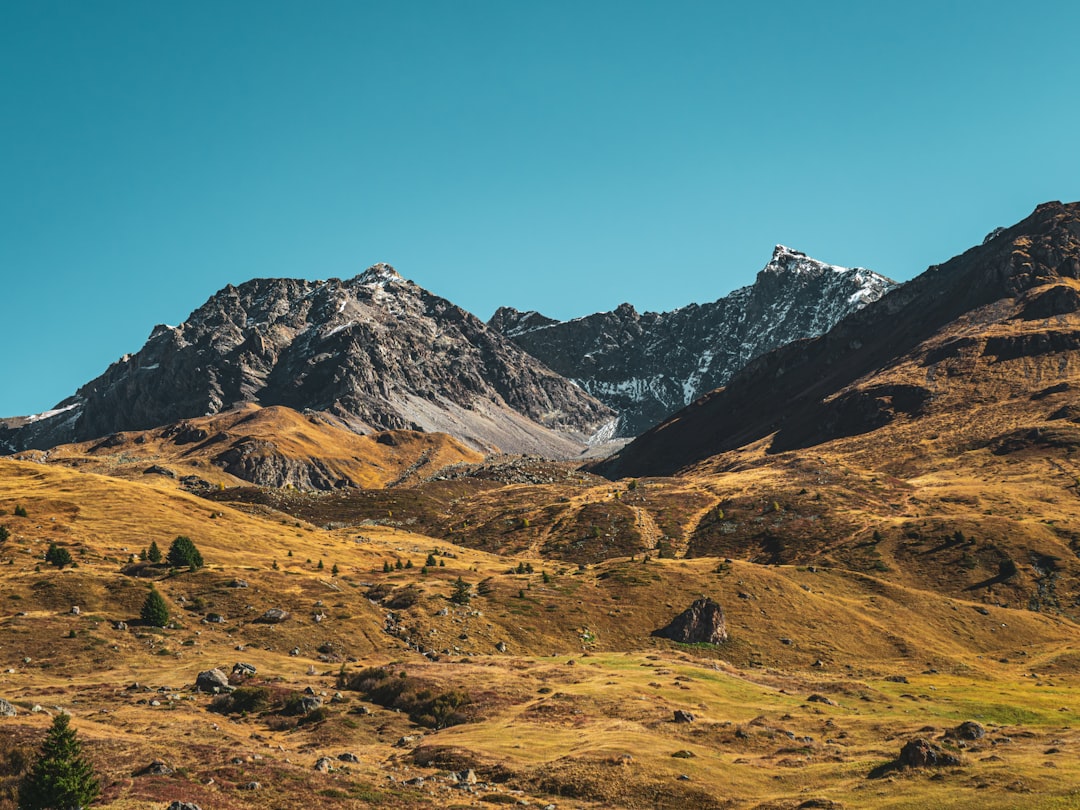
The best time to visit Western Sichuan is from May to October, with peak seasons in summer (June-August) for hiking and clear mountain views, and autumn (mid-October to early November) for spectacular fall foliage in valleys like Bipenggou.
Why Timing Matters in Western Sichuan
Western Sichuan sits at high altitude, typically between 2,000 and 6,000 meters. Weather conditions significantly affect what you can see and do. Summer offers stable weather and clear views of snow-capped peaks. Autumn brings golden forests and colorful leaves reflected in alpine lakes. Winter is cold, and some roads may be blocked by snow. Spring can have unpredictable weather with sudden temperature changes.
Summer: June to August
Summer is the best season for hiking and outdoor activities.
What you get in summer:
- Stable weather with relatively clear skies
- Best visibility of snow-capped mountain peaks
- Comfortable temperatures for hiking at high altitude
- Escape from Chengdu’s summer heat (Chengdu can reach 35°C, while Western Sichuan stays around 15-25°C)
What to expect:
Siguniang Mountain’s four peaks are most visible from June through September. The weather is relatively stable, making it ideal for trekking trails. This is also when you can camp outdoors without worrying about freezing nighttime temperatures.
If you plan to hike, aim for July when weather is most predictable. However, prepare for altitude sickness since peaks reach over 6,000 meters.
Autumn: Mid-October to Early November
Autumn is the peak season for scenic viewing, especially foliage.
What you get in autumn:
- Golden and red foliage in valleys like Bipenggou
- Colorful leaves reflected in alpine lakes
- Cooler temperatures, comfortable for walking
- Fewer mosquitoes and insects compared to summer
Peak foliage timing:
Bipenggou’s autumn foliage typically peaks from mid-October to early November. This window varies slightly each year depending on weather patterns. The colorful forests combined with snow-capped peaks in the background create dramatic landscape views.
Important: Avoid National Day Golden Week
Do not visit during China’s National Day holiday (October 1-7). Traffic jams of 6-10+ hours are common on popular routes like G318. The first three days of Golden Week are the most crowded. Plan your autumn trip for mid-October onwards to enjoy the scenery without traffic nightmares.
Spring: March to May
Spring is a transition season with mixed conditions.
What you get in spring:
- Melting snow and greening meadows
- Rhododendron flowers in some areas (typically April to May)
- Fewer tourists compared to summer and autumn
Challenges:
Weather can be unpredictable. Temperatures vary significantly between day and night. Some high-altitude roads may still have snow patches. The mountain peaks are sometimes obscured by clouds.
Spring works well if you want to avoid crowds and see spring flowers, but prepare for changing weather conditions.
Winter: November to February
Winter is challenging but rewarding for certain travelers.
What you get in winter:
- Snow-covered landscapes
- Very few tourists
- Lower prices for hotels and transportation
- Clear, crisp air when skies are sunny
Challenges:
Temperatures drop well below freezing at night. Some roads and attractions may be closed due to snow. You need proper winter gear including thermal clothing. High-altitude areas become particularly harsh.
Winter visits work best if you want solitude and are prepared for cold conditions. Check road conditions before traveling, as some routes become impassable.
Month-by-Month Summary
| Month | Best For | Considerations |
|---|---|---|
| May | Spring flowers, warming weather | Unpredictable conditions |
| June | Hiking begins, clear peaks | Good overall |
| July | Best hiking weather, stable | Peak hiking season |
| August | Hiking, mountain views | Some afternoon showers possible |
| September | Transition to autumn, fewer crowds | Good balance |
| October | Autumn foliage (mid-Oct onwards) | Avoid Golden Week (Oct 1-7) |
| November | Late foliage, winter begins | Cold, some closures start |
Related Knowledge
Altitude Sickness
Western Sichuan destinations like Siguniang Mountain (peaks over 6,000m) and Bipenggou (valley around 3,000m) involve significant altitude. Take time to acclimatize. Symptoms include headache, nausea, and fatigue. Consider carrying altitude sickness medication.
Transportation from Chengdu
Driving takes roughly 3-4 hours to reach Siguniang Mountain or Bipenggou from Chengdu. Public buses also run to these destinations, though they take longer and have limited schedules.
Chinese Holiday Calendar
Always check the current year’s Chinese national holiday dates before planning. Major holidays to avoid include:
- National Day Golden Week (October 1-7)
- Spring Festival (dates vary, usually January or February)
- Labor Day (May 1-5)
Packing Tips
Pack layers. Temperature differences between day and night can exceed 15°C. Bring:
- Warm jacket even in summer for high-altitude areas
- Sun protection (strong UV at altitude)
- Comfortable hiking shoes
- Rain gear for summer months
Common Mistakes
Mistake 1: Visiting during Golden Week
The biggest mistake foreign travelers make is not knowing Chinese holiday dates. Traffic jams can turn a 3-hour drive into a 10-hour ordeal.
Mistake 2: Expecting exact foliage dates
Autumn foliage timing varies each year. Do not plan your entire trip around specific dates like “October 15.” Give yourself flexibility within the mid-October to early November window.
Mistake 3: Underestimating altitude
Even if you feel fine at Chengdu’s 500m elevation, altitude at 3,000-4,000m affects most people. Plan acclimatization time.
Summary
Plan your Western Sichuan trip based on what you want to experience:
- For hiking and mountain views: June-August, especially July
- For autumn foliage: Mid-October to early November, avoiding Golden Week
- To avoid crowds: Late September, or spring months (March-May)
- For snow landscapes: November-February, but check road conditions
Avoid Chinese national holidays at all costs. The scenery is worth the trip, but timing determines whether you enjoy it or endure traffic frustration.
Final words
More reading and next steps
That is the main thread of the article. Keep the links below handy, and use the related posts to continue exploring the same topic from a different angle.
Comments