What to Eat in Western Sichuan: Tibetan Food Guide for Foreign Visitors
The must-try Tibetan foods in Western Sichuan include yak hotpot (lean, flavorful meat in rich broth), butter tea (salty tea with yak butter), and tsampa (roasted barley flour, a staple food). These are widely available in Kangding and throughout Ganzi Tibetan Autonomous Prefecture.
Why Try Tibetan Food in Western Sichuan
Foreign travelers often want to experience local cuisine but don’t know what’s authentic. Western Sichuan offers genuine Tibetan food without needing to travel to the Tibet Autonomous Region. You get Tibetan culture, including food, in a more accessible location.
This answers a practical question: what should you actually eat when visiting Western Sichuan? The three dishes mentioned in the original travel post form the core of Tibetan cuisine you’ll encounter.
Yak Hotpot: The Signature Dish
Yak hotpot is the most popular Tibetan dish in Western Sichuan. Kangding, the gateway to the Tibetan highlands, is particularly known for yak hotpot restaurants.
What Yak Meat Is
Yak is a long-haired bovine native to the Himalayan region and Tibetan plateau. The meat differs from regular beef:
- Leaner: Yak meat has less fat than beef
- Flavor: Slightly sweeter and more gamey than beef
- Texture: Firm but tender when properly cooked
- Nutrition: High protein, lower fat content
Many travelers describe yak meat as having a distinctive but approachable taste. It’s different from beef but not overwhelming for first-timers.
How Yak Hotpot Works
Yak hotpot functions like Chinese hotpot but with yak meat:
- A pot of boiling broth sits at your table
- You receive slices of raw yak meat
- You cook the meat in the broth yourself
- Vegetables and other ingredients accompany the meat
- Dipping sauces add flavor
The broth is typically rich and savory, often made with yak bones and local spices. The warmth of hotpot is particularly welcome in the cool mountain climate of Western Sichuan.
Where to Find It
Kangding has numerous yak hotpot restaurants. You’ll also find yak dishes throughout Ganzi Prefecture, including smaller towns. The dish is common enough that asking for “yak hotpot” in any Tibetan-style restaurant usually works.
Butter Tea: The Traditional Staple
Butter tea is a traditional Tibetan beverage that may surprise first-time drinkers.
What Butter Tea Is
Butter tea combines:
- Tea leaves (typically brick tea, a compressed tea form)
- Yak butter
- Salt
- Sometimes milk
The result is a salty, rich, warm beverage - not sweet like most teas foreigners expect.
Why It’s Salty
The saltiness comes from practical origins. At high altitude in cold climates, Tibetans needed:
- Warmth from the hot liquid
- Energy from the fat (yak butter)
- Salt for electrolytes in harsh conditions
The combination provides calories and warmth for people living in cold, high-altitude environments. It’s functional food, not just a beverage.
How to Drink It
If you’re trying butter tea for the first time:
- Expect saltiness, not sweetness
- The richness can be surprising
- It’s meant to be warming and filling
- Local people drink it throughout the day
Many travelers find it unusual at first but appreciate it after understanding its purpose. The warmth is welcome in Western Sichuan’s cool climate.
Tsampa: The Daily Staple
Tsampa is roasted barley flour, the fundamental staple of Tibetan diet.
What Tsampa Is
Tsampa is simply barley flour that has been roasted. It’s eaten in various ways:
- Mixed with butter tea to form a dough-like ball
- Rolled into balls and eaten by hand
- Added to soup or other dishes
- Eaten dry in some preparations
How to Eat Tsampa
The traditional method involves:
- Pouring butter tea into a bowl
- Adding tsampa (barley flour)
- Mixing by hand or with fingers
- Forming into dough-like balls
- Eating the balls directly
This is a hands-on, traditional eating style. Some restaurants serve prepared tsampa, while others let you mix it yourself.
Cultural Context
Tsampa is everyday food for Tibetans, not a special dish. It provides sustained energy and is eaten with every meal. It’s less exciting than yak hotpot but culturally significant.
Other Tibetan Foods Worth Trying
Beyond the three mentioned above, you might find:
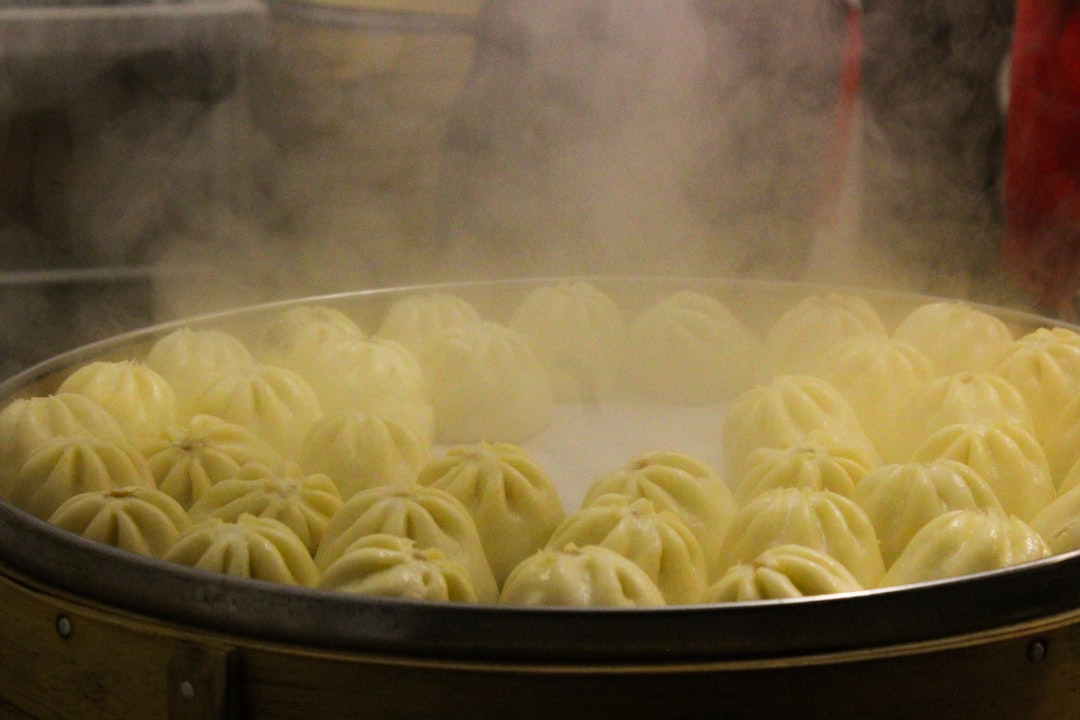
Momos (Tibetan Dumplings): Similar to Chinese dumplings but with Tibetan-style fillings. Often filled with yak meat or vegetables.
Chang (Barley Beer): A traditional fermented barley beverage. Mild alcohol content. Availability varies by location.
Yak Butter: Pure yak butter, sometimes served with bread or tsampa. Richer and different from cow butter.
Where to Eat Tibetan Food
Kangding
Kangding is the main gateway to Western Sichuan’s Tibetan areas. The town has:
- Multiple yak hotpot restaurants
- Tea houses serving butter tea
- Tibetan-style eateries with full menus
- Mix of Sichuan Chinese and Tibetan food
This is the most accessible place for Tibetan food if you’re traveling from Chengdu.
Ganzi Prefecture Towns
Smaller towns throughout Ganzi offer Tibetan food, though options are more limited. You’ll find basic Tibetan fare in most Tibetan-populated areas.
Chengdu
Chengdu has some Tibetan restaurants, particularly in areas with Tibetan communities. However, the authentic experience is stronger in Western Sichuan itself.
Practical Tips
Dietary Considerations
Tibetan cuisine has limitations for certain diets:
- Vegetarian/Vegan: Difficult. Yak meat and butter tea are central. Most dishes involve meat or dairy.
- Gluten: Tsampa is barley, which contains gluten. Many dishes involve flour.
- Lactose: Butter tea contains yak butter, which has lactose.
If you have dietary restrictions, Western Sichuan’s Tibetan food scene may be challenging.
Taste Expectations
- Yak meat: lean, slightly gamey, different from beef
- Butter tea: salty, rich, warming
- Tsampa: neutral grain flavor, texture-focused
None are overwhelmingly strange, but all differ from typical foreign traveler expectations.
Price
Prices vary. Yak hotpot in tourist areas costs more than in local eateries. Budget for moderate prices in Kangding, lower prices in smaller towns.
Common Mistakes
Mistake 1: Expecting sweet tea
Butter tea is salty. If you order it expecting sweet tea, you’ll be surprised. Know what you’re getting.
Mistake 2: Skipping yak hotpot
Some travelers hesitate to try yak meat. It’s approachable and worthwhile. Don’t miss the signature dish.
Mistake 3: Not asking about preparation
If you want to try tsampa, ask how it’s served. Some places prepare it for you; others expect you to mix it yourself.
Summary
Three must-try Tibetan foods in Western Sichuan:
- Yak hotpot: Lean, flavorful meat in rich broth. Best in Kangding.
- Butter tea: Salty, warming beverage with yak butter. Expect saltiness.
- Tsampa: Roasted barley flour, eaten mixed with tea. Traditional staple.
Western Sichuan offers these Tibetan foods without requiring travel to Tibet. Kangding has the most options. Yak hotpot is the most popular and approachable dish for foreign visitors.
Final words
More reading and next steps
That is the main thread of the article. Keep the links below handy, and use the related posts to continue exploring the same topic from a different angle.
Comments