What Do Chinese People Eat for Breakfast? A Regional Guide for First-Time Visitors
A foreign friend of mine once said he thought a Chinese breakfast would be “a piece of bread, a cup of coffee, standing up.” Then he walked outside his hotel in Chengdu at 7 AM and found twelve steaming stalls, each selling something he could not name, each surrounded by people eating with the focused intensity of a morning ritual. He asked me what Chinese people eat for breakfast. I told him: sit down. You have many choices.
The real answer is that Chinese breakfast is not a single menu—it is a climate map. Southern mornings are wet and rice-based. Northern mornings are sturdy and wheat-based. The northwest serves meat and carbs with dignity. The southwest starts the day angry, sour, and spicy. Asking “What do Chinese people eat for breakfast?” is like asking “What language do Europeans speak?” You can answer, but the answer only makes the questioner more confused.
Why Chinese Breakfast Is Nothing Like Western Breakfast
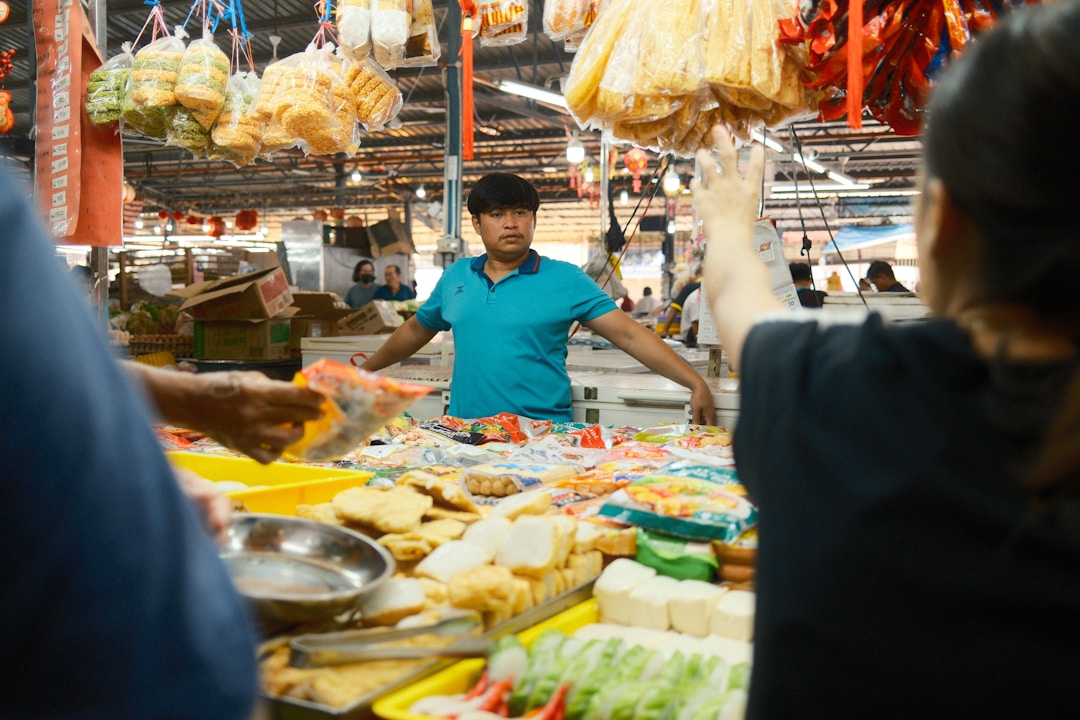
The first thing that strikes a foreign visitor is that Chinese breakfast is almost always hot. The idea of cold cereal, a granola bar, or—god forbid—raw greens before noon is alien to most Chinese breakfast traditions. Morning food is cooked. Steam rises from every stall. Oil sizzles. Broth bubbles.
The second difference: breakfast is a sit-down affair. Even at the humblest street stall, there are plastic stools and low tables. People sit, eat, and let the morning happen around them. It is communal in a way that a drive-through Egg McMuffin will never be.
The third: variety is the point. A single breakfast street might offer congee, rice noodles, wheat noodles, baozi, wontons, tofu pudding, youtiao, shaomai, cheung fun, potstickers, spicy soup, and hot dry noodles—all within 200 meters. No single person eats all of this in one morning. The point is that you choose differently every day, and over a lifetime you never run out of new combinations.
The Regional Breakfast Map
The North: Wheat, Sturdy, Warming
Northern China grows wheat, so northern breakfasts are built on flour. Beijing mornings revolve around jianbing—a thin crepe spread with egg, scallions, hoisin, and chili, folded around a crispy cracker. It is portable, cheap (usually about 7-10 RMB), and satisfying in a way that makes you understand why office workers queue for it in January wind.
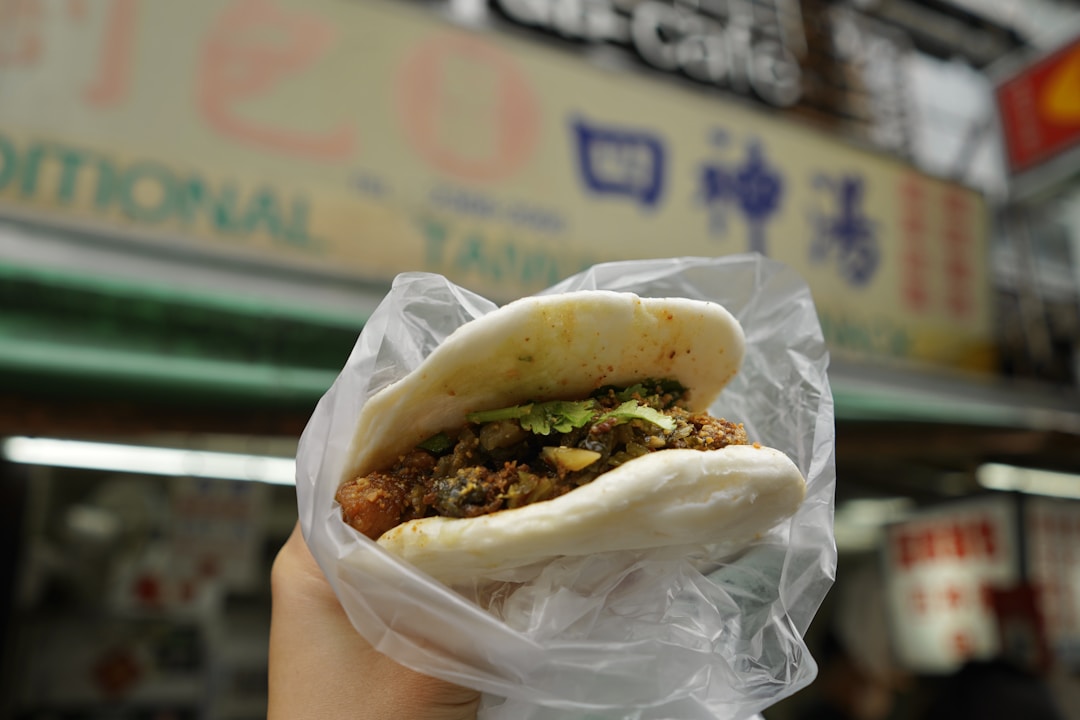
Baozi (steamed filled buns) are everywhere: pork and cabbage, beef and onion, red bean paste, or just vegetables. Youtiao (fried dough sticks) are the northern breakfast’s answer to toast—crispy, oily, and perfect for dipping into warm soy milk. Doufunao (tofu pudding) is served savory in the north, topped with soy sauce, cilantro, and chili oil—a texture that shocks first-timers who expect dessert.
The South: Rice, Light, Endlessly Varied
Southern China grows rice, so southern breakfasts are built on it in forms you did not know rice could take. Congee (rice porridge) is the foundation: a blank canvas topped with pickled vegetables, century egg, shredded pork, or fried dough. It sounds plain. It is not. A good bowl of Cantonese congee, simmered for hours until the rice grains dissolve, is one of the most comforting things you will eat in China.
Cheung fun (rice noodle rolls) are silky sheets of steamed rice paste, often filled with shrimp or beef and drizzled with sweet soy sauce. Mixian (rice noodles in broth) in Yunnan comes with dozens of toppings you add yourself. Dim sum in Guangdong is not just food—it is a morning social institution. Families gather, tea flows, bamboo steamers stack up, and the meal stretches into early afternoon.

The Northwest: Meat, Carbs, and Dignity
Northwest China—Shaanxi, Gansu, Xinjiang—brings Silk Road heritage to the breakfast table. Yangrou paomo (lamb soup with torn flatbread) in Xi’an is a meal that announces itself. You tear the bread into small pieces with your hands, then the kitchen pours hot lamb broth over it. It is heavy, fragrant, and built for people who work outdoors in cold weather.
Beef noodles in Lanzhou are arguably the most famous breakfast in China that Westerners would not think of as breakfast. Clear broth, hand-pulled noodles, thin slices of beef, chili oil, and cilantro—eaten at 7 AM by construction workers and businesspeople alike.

The Southwest: Sour, Spicy, Unapologetic
Chengdu and Chongqing start the day with a statement. Dan dan noodles, spicy wontons in chili oil, and sour-spicy rice noodles are not “breakfast food” by any Western definition. They are lunch food that happens to be eaten at 8 AM. The southwest’s humid heat encouraged preservation techniques based on souring and spicing, and those techniques became breakfast staples.
If you are not used to eating chili oil before 9 AM, start slow. Order a mild version. Your digestive system will thank you. But once you acclimate, there is something deeply satisfying about starting the day with food that refuses to be ignored.
How to Find and Order Breakfast Without Speaking Chinese
Use your phone. Open a map app, search for the neighborhood you are staying in, and look for clusters of small food shops around residential gates in the morning. These clusters are where locals eat.
Point and pay. Most breakfast stalls display their food visibly. Point at what you want, hold up fingers for quantity, and scan the QR code to pay. WeChat Pay and Alipay now work with foreign credit cards—set this up before your trip.
Learn five phrases:
- Zhe ge (this one) — while pointing
- Yi ge (one) — for single items
- Xie xie (thank you) — always
- Hao chi (delicious) — say this after you taste it
- Duo shao qian (how much) — though the vendor will usually show you the number on a calculator or their phone
Go early. Peak breakfast hours in most Chinese cities are roughly 6:30 AM to 8:30 AM. By 9:30, some stalls are already packing up. If you arrive at 10 expecting a full breakfast street, you will find a sleepy alley and a stray cat.
Common Mistakes First-Time Visitors Make
Searching for “breakfast” and expecting coffee and toast. If you want a Western breakfast in China, you can find it—international hotels and expat-heavy neighborhoods have it. But if you walk out into a residential area expecting avocado toast, you will be disappointed, then confused, then hungry, and then (hopefully) curious enough to try whatever is steaming nearest to you.
Trying too many new things at once. Your stomach needs time to adjust to a completely different food environment. Pick one or two items your first morning, not eight.
Avoiding street stalls entirely. Some foreign visitors stick to hotel breakfast buffets and never engage with the street. That is fine if food safety is a genuine concern—but you are also missing the single most accessible window into Chinese daily life. Look for stalls with high turnover, visible cooking, and a crowd of locals. Those are the safe bets.
Ordering “mild” and expecting it to not be spicy. In Chengdu or Chongqing, “mild” still means chili oil. Manage your expectations.
Summary
Breakfast in China is not just a meal—it is how each region announces itself to the day. The north builds on wheat. The south flows with rice. The northwest brings the Silk Road to your bowl. The southwest dares you to keep up.
For a foreign visitor, the best strategy is simple: walk out your door before 8 AM, follow the steam, point at what looks good, and eat it sitting on a plastic stool while the city wakes up around you. You will not understand everything you eat. That is the point. You will come back.
Final words
More reading and next steps
That is the main thread of the article. Keep the links below handy, and use the related posts to continue exploring the same topic from a different angle.
Comments