How to Set Up WeChat and AliPay for China Travel: A Step-by-Step Guide
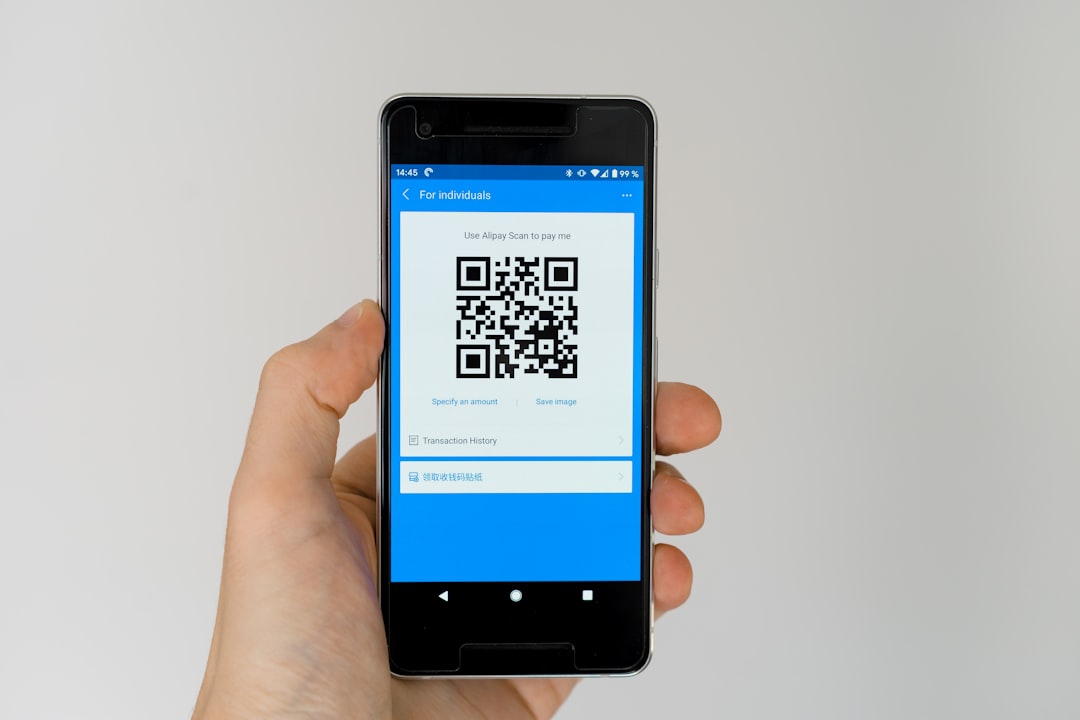
If you are traveling to China with your family, you need to set up WeChat and AliPay before you leave home. China runs almost entirely on mobile payments. Cash is rarely used. Foreign credit cards are not widely accepted at most shops and restaurants. Standing at a metro gate with tired kids while trying to debug a payment app is a stressful situation you want to avoid.
The Direct Answer
Download WeChat and AliPay before your trip, link your international credit card, and complete a test payment to verify everything works. Both apps are essential. WeChat handles most daily transactions and integrates DiDi ride-hailing. AliPay is better for public transport tickets and serves as a backup when WeChat glitches.
A Wise multi-currency card often gives better conversion rates than standard bank cards, though regular Visa or Mastercard also work.
Why This Matters
China has moved faster than most countries toward cashless payment. Street vendors, metro stations, restaurants, and even small shops expect you to scan a QR code with your phone. Carrying cash is not practical for daily expenses, and foreign cards are accepted mainly at hotels and high-end shopping malls.
Setting up these apps after arrival is frustrating. App verification can take time. Card linking sometimes fails. Internet access may be limited while you sort out connectivity. Doing this work at home, with time and calm, prevents the stress of debugging payment problems while your kids are tired and hungry.
How to Set Up WeChat Pay
-
Download WeChat before you leave. The international version works for foreign users. Create an account using your phone number.
-
Open WeChat Pay. Inside the app, find the “Me” tab, then “Services,” then “Wallet.” This opens the payment section.
-
Add your card. Select “Add Card” and enter your international Visa or Mastercard details. WeChat may ask for additional verification depending on your bank.
-
Complete a test payment. Send a small amount to a friend or use a WeChat mini-program that accepts international users. This confirms your setup works before you travel.
-
Enable DiDi. WeChat integrates DiDi ride-hailing directly. You can book taxis without a separate app. This is useful for airport pickups and city travel.
How to Set Up AliPay
-
Download AliPay International. The international version is designed for tourists and foreign users.
-
Create your account. Use your email or phone number. AliPay Tour Pass is the feature designed for short-term visitors.
-
Link your card. Add your international credit card. Some travelers report that Wise cards work more smoothly than certain bank cards.
-
Test the transport QR code. AliPay includes a transit feature that generates QR codes for metro and bus systems. Try generating a code before you travel so you know the feature is active.
Why You Need Both Apps
At some point, one of these apps will glitch. A payment may fail temporarily. A card verification may expire. Having both apps gives you a backup. WeChat is the dominant app for most transactions. AliPay has better integration with public transport systems in some cities.
If one app fails at a metro gate, you can switch to the other and keep moving. This is especially important when traveling with kids who need to get through stations quickly.
Practical Tips for Family Travel
-
Pre-setup at home. Do not wait until arrival. App verification may take anywhere from minutes to hours depending on your card issuer.
-
Bring both apps. Do not rely on just one. Redundancy prevents stress when one app has a temporary issue.
-
Test payments. Send a small amount or use a mini-program before you leave. This catches problems early.
-
Consider a Wise card. Wise typically offers better currency conversion rates than standard bank cards. The difference can be meaningful over a week-long trip.
-
Keep a backup cash stash. A small amount of cash is useful for rare situations where mobile payment fails. Keep 100-200 yuan for emergencies.
Common Mistakes to Avoid
-
Waiting until arrival. The biggest mistake is setting up apps at the airport or metro station. This is when you are tired, rushed, and dealing with connectivity issues.
-
Using only one app. Some travelers rely only on WeChat or only on AliPay. When that app glitches, they have no backup.
-
Skipping the test payment. You may think the setup is complete, but a failed card link or verification issue only shows up when you try to pay.
-
Expecting cards to work directly. Some travelers bring a foreign credit card and expect to swipe it at shops. Most places in China do not accept foreign cards directly.
What to Expect at Arrival
With WeChat and AliPay ready, daily payments become smooth. You scan QR codes at restaurants, shops, metro gates, and street vendors. DiDi ride-hailing works through WeChat. AliPay transit QR codes work at metro stations in most major cities.
Small transactions, even under 10 yuan, are universally mobile. You do not need to carry coins or small bills for daily expenses.
Final words
More reading and next steps
That is the main thread of the article. Keep the links below handy, and use the related posts to continue exploring the same topic from a different angle.
Comments