What Kids Can Eat in China: A Practical Food Guide for Parents
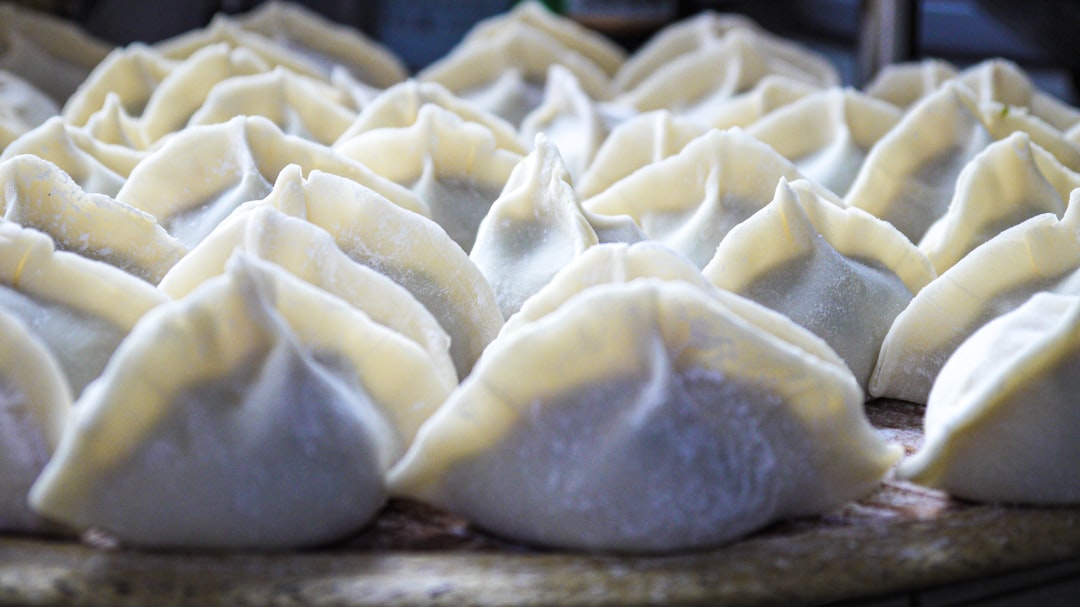
Chinese staples like plain rice, noodles, dumplings, and steamed buns are universally available and kid-friendly. These foods are cheap, easy to eat with small hands, and found at every restaurant and street food stall. For picky toddlers, plain noodles or egg fried rice work reliably. Even in cities famous for spicy food, you can request non-spicy versions.
The Direct Answer
Your kids will not go hungry in China. Basic staples match what many children already eat at home. Street food halls let each family member choose different dishes, eliminating the pressure of ordering one dish for everyone. Chinese cuisine separates ingredients clearly, making it easy to pick child-safe portions.
Why This Matters
Food is one of the biggest anxieties for parents considering China travel. The reality is surprisingly manageable. Chinese families also have children who avoid spicy food. Restaurants can accommodate requests for non-spicy versions even when the default menu item is spicy.
Food is affordable enough to order multiple options without budget stress. If your child does not like one dish, you can try another without worrying about cost.
Kid-Friendly Staples
These foods are available everywhere and work for most children:
- Plain rice. Served at every restaurant. Familiar and safe.
- Noodles. Plain noodles or egg noodles are widely available. Ask for “bu la” (not spicy) if needed.
- Dumplings. Steamed or boiled dumplings with pork, chicken, or vegetable fillings. Easy for small hands.
- Steamed buns. Soft white buns with sweet or savory fillings. Popular with children.
- Egg fried rice. Simple, familiar, and available at most restaurants.
- Congee. Rice porridge, often served plain or with mild ingredients. Good for toddlers.
Handling Spicy Food Requests
Cities like Chongqing and Chengdu are famous for spicy cuisine. However, restaurants can prepare non-spicy versions. You can say “bu la” (not spicy) or use a translation app to request mild preparation.
Even hot pot, the most intimidating spicy dish for parents, works for kids. A family visited a hot pot restaurant in Chongqing and their kids loved it by using non-spicy broth options and familiar ingredients like tofu, mushrooms, and plain noodles.
Street Food Strategy
Street food halls and night markets are practical for families. Each person can choose different dishes from different stalls. Your child can pick plain noodles while you try local specialties.
Street food is typically affordable. Prices vary but many dishes cost between 2 and 5 US dollars per portion. You can order multiple options to let your child sample different foods.
Choose busy stalls with fresh turnover. This indicates good food safety and fresh ingredients.
Useful Tips for Parents
-
Bring snacks. Pack familiar snacks from home for moments when restaurant food does not work. This reduces pressure during meals.
-
Use translation apps. Translate food requests like “no spice” or “plain noodles” before arriving at restaurants.
-
Try yogurt drinks. Yogurt drinks are everywhere as snacks. Most kids like them.
-
Watch for children seats. Some restaurants have children seats, but not all. A carrier helps when seating is limited.
-
Ask for smaller portions. Many restaurants serve large portions. You can request smaller portions or order half portions for children.
-
Hot water is available. Trains and many restaurants have hot water dispensers. Useful for warming bottles or preparing instant food.
What to Avoid
-
Assuming all food is spicy. This is the biggest mistake. Even spicy cities have non-spicy options.
-
Fear of ordering wrong. Food is affordable. Trying a new dish costs less than a fast food meal in many countries.
-
Skipping street food entirely. Street food offers variety and flexibility. Avoid only if your child has specific allergies or dietary restrictions.
-
Not bringing backup snacks. Familiar snacks from home help when local food does not appeal.
Common Questions
What if my child has allergies? Chinese restaurants may not clearly label allergens. If allergies are severe, stick to simple dishes you can verify, bring safe snacks, and consider carrying translated allergy cards.
Is street food safe for kids? Street food is generally safe at busy stalls with fresh turnover. Avoid stalls that look empty or have food sitting for long periods. Bottled water is recommended for drinking.
What about Western food? Major cities have Western fast food chains and international restaurants. These are useful fallbacks but are typically more expensive than local options.
Final words
More reading and next steps
That is the main thread of the article. Keep the links below handy, and use the related posts to continue exploring the same topic from a different angle.
Comments