How to Photograph Hongya Cave at Night: Best Viewpoints and Timing
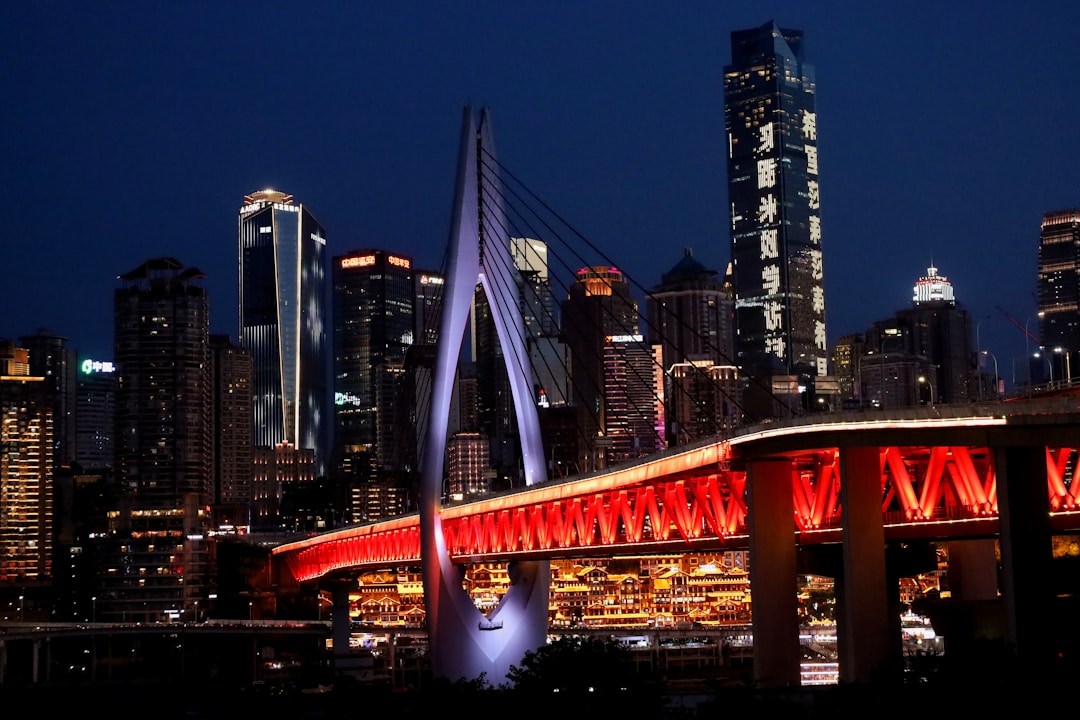
Hongya Cave is Chongqing’s most photographed landmark. The tiered stilt-house architecture creates a dramatic visual when the lights turn on at dusk. But standing directly at Hongya Cave’s platform is often crowded and does not give the best framing. The key is knowing where to stand and when to arrive.
The Direct Answer
The best Hongya Cave night photos come from two spots:
- Qiansimen Bridge: Elevated angle, clear shot without obstruction, 10-15 minutes walk from Hongya Cave
- Riverbank near Chongqing Grand Theatre: Wider panorama with river reflection, on the opposite bank
Lights typically turn on around 19:00-19:30 depending on season. Arrive by 18:30 to secure your position before crowds peak.
Why These Spots Work Better Than Hongya Cave Platform
Hongya Cave’s own viewing platform is narrow and fills quickly. Visitors stand shoulder-to-shoulder, holding phones at eye level. The angle is close and flat, missing the layered depth that makes the architecture distinctive.
Qiansimen Bridge is elevated. From the pedestrian walkway, you shoot downward, capturing the full height of the stacked buildings. The river below adds context. There is no glass barrier blocking long-lens shots.
The Grand Theatre side offers a horizontal panorama. The buildings stretch across the frame, and the river surface can reflect the lights. This angle works well for wider compositions.
Getting to Qiansimen Bridge
From Jiefangbei or Hongya Cave Metro station, walk north toward the river. Qiansimen Bridge spans the Jialing River, connecting downtown to Jiangbei district. The pedestrian path is separate from vehicle lanes.
Time: approximately 10-15 minutes on foot from Hongya Cave. The bridge is visible from the cave’s vicinity.
Note: On busy nights, the bridge walkway can be crowded. Move carefully and avoid blocking foot traffic while photographing.
Getting to the Grand Theatre Viewpoint
Cross to the opposite bank via Qiansimen Bridge or take a taxi to Chongqing Grand Theatre. The riverbank near the theatre building is open to the public. You can walk along the waterfront to find a clear angle.
This side works best for reflection shots when boat traffic is minimal. If the water is rippling, reflections blur.
Timing Strategy
When Lights Turn On
Hongya Cave’s lighting schedule is seasonal. In summer, dusk is around 19:00-19:30. In winter, it can be earlier. The lights generally turn on shortly after sunset, but the exact time shifts.
Check local sources before your visit. Some travelers report lights starting “after dusk” without a fixed hour. If you are unsure, arrive by 18:00 and wait.
When to Arrive
If you want a clear shooting position, arrive by 18:30. Between 18:30 and 19:00, the crowds are manageable. After the lights turn on, foot traffic surges. Bridge walkways and riverbank paths fill quickly.
Holiday periods (Chinese New Year, National Day) are extreme. Even arriving early may not guarantee space. On regular weekends, 18:30 is usually sufficient.
How Long to Stay
The lights remain on for several hours, often past midnight. You can shoot multiple compositions over 30-60 minutes. Some photographers stay longer, waiting for boat traffic to slow for reflection shots.
Weather and Seasonal Considerations
- Clear nights: Best visibility. The lights appear crisp against dark sky.
- Fog or haze: Chongqing is prone to fog, especially in winter. Dense fog softens the image and reduces contrast.
- Rain: Light rain does not stop the illumination, but wet surfaces change reflections. Heavy rain may push crowds indoors.
- Wind: Wind ripples the river, which helps motion-blur effects but hurts mirror-like reflections.
Equipment Notes
- Phone cameras: Work fine for wide shots. The scene is bright enough for handheld exposure.
- Point-and-shoot or DSLR: A tripod helps for longer exposures, but bridge walkways are narrow. Handheld with high ISO is practical.
- Lens choice: A medium zoom (24-70mm equivalent) covers both close framing and wider panoramas. Very wide lenses may stretch the buildings unnaturally.
Tripod feasibility: On Qiansimen Bridge, tripods can obstruct pedestrians. If you use one, keep it compact and shoot quickly. The Grand Theatre riverbank is more open.
Common Mistakes
- Standing at Hongya Cave platform: You get a flat close-up, missing the architectural depth, and the crowd blocks movement.
- Arriving late: After 19:30, the bridge and riverbank are packed. You may wait 20-30 minutes for a clear window.
- Shooting only one angle: The bridge and riverbank offer different compositions. Try both.
- Ignoring weather: Fog can degrade night shots dramatically. Check conditions before going.
- Blocking traffic: On the bridge, stopping to adjust settings blocks pedestrians. Move aside or shoot efficiently.
Summary Checklist
- Choose Qiansimen Bridge for elevated framing, or Grand Theatre riverbank for panorama and reflections
- Arrive by 18:30 to secure position before lighting time
- Lights typically turn on around dusk, roughly 19:00-19:30 in summer
- Check current schedule via local apps or tourism sources
- Bring a camera that works handheld; tripod use is limited on the bridge
- Watch for fog or haze that can soften night visibility
Final words
More reading and next steps
That is the main thread of the article. Keep the links below handy, and use the related posts to continue exploring the same topic from a different angle.
Comments