How to Plan a 4-Day Chongqing Itinerary: Route, Attractions, and Budget
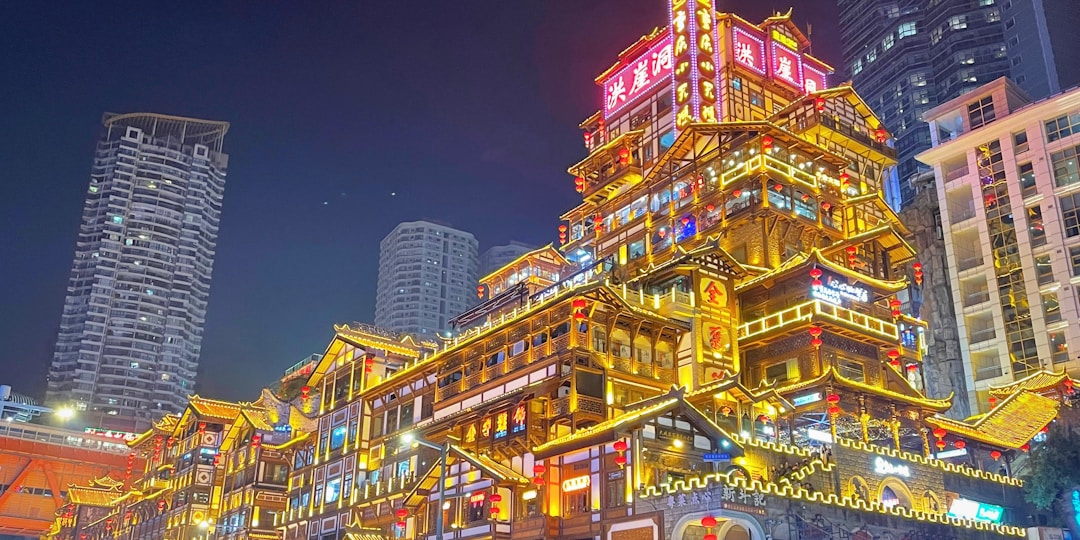
A 4-day Chongqing itinerary can combine natural wonders, cultural heritage, and the city’s famous “8D” urban features. The key is understanding which attractions are close to downtown and which require a longer drive. This route balances travel time, variety, and budget so you can see the essentials without overspending.
The Direct Answer
A practical 4-day route works like this:
- Day 1: Arrival, settle near Jiefangbei, explore Bayi Food Street
- Day 2: Wulong Tiansheng Three Bridges and Fairy Mountain (2-3 hours from city)
- Day 3: Chiyou Jiuli City, Gongtan Ancient Town, Wujiang Gallery cruise
- Day 4: Ciqikou Ancient Town, Liziba Rail Station, Hongya Cave night view
Budget ranges: approximately 600-800 RMB for basic organized tours, or 1000-1500 RMB for independent travel with similar coverage. Add roughly 30-50 RMB per meal if food is not included.
Why This Route Works
Chongqing’s geography makes some attractions far from the city center. Wulong’s karst formations are 2-3 hours away by road, so grouping them on one dedicated day saves time. Cultural sites like Chiyou Jiuli City and Gongtan lie southeast of downtown, making Day 3 another out-of-town excursion.
Day 4 keeps you near the urban core. Liziba’s train-through-building and Hongya Cave’s night lights are walkable from Jiefangbei. This structure minimizes backtracking and lets you end your trip with the most photogenic urban moments.
Day-by-Day Breakdown
Day 1: Arrival and Local Orientation
Arrive at Chongqing Jiangbei Airport or a railway station. Check into a hotel near Jiefangbei, the central commercial district. Walk to Bayi Food Street to try local snacks like xiaomian (noodles) and sour-spicy noodles. This day is for settling in, not rushing.
Day 2: Wulong Karst Landscapes
Travel to Wulong, about 2-3 hours from downtown by bus or hired car. Visit Tiansheng Three Bridges, a UNESCO World Heritage site featuring three natural stone arches spanning deep valleys. Walk the trail through the bridges, which takes about 1-2 hours.
After Tiansheng, go to Fairy Mountain National Forest Park. The alpine meadows and forest train ride offer a contrast to the stone formations. Return to Chongqing in the evening.
Note: Organized tours usually handle transport and tickets. If traveling independently, check current ticket prices on the Wulong official site or travel platforms.
Day 3: Cultural Sites and River Scenery
Head southeast to Chiyou Jiuli City, claimed as the world’s largest stilt-house complex. The architecture mimics traditional wooden structures on cliff sides. Nearby, Gongtan Ancient Town sits along a river cliff with 1000 years of history.
A Wujiang Gallery cruise shows karst scenery from the water. The cruise duration and ticket price vary; check current info before booking. Return to downtown in the evening.
Day 4: Urban Icons and Night Views
Visit Ciqikou Ancient Town in the morning. It is touristy but offers a preserved old-town atmosphere with shops and tea houses. Then go to Liziba Rail Station to watch the train pass through a residential building. The viewing platform is free.
In late afternoon, head toward Hongya Cave. The complex’s tiered wooden-style buildings illuminate around dusk, typically around 19:00-19:30 depending on season. For the best photo angles, walk to Qiansimen Bridge or the riverbank near Chongqing Grand Theatre rather than standing directly at Hongya Cave’s platform.
Budget Overview
Organized Tour Option
Basic 4-day tours advertise rates around 600-800 RMB per person. What is typically included:
- Transport: airport/station pickup, inter-attraction bus
- Accommodation: 3 nights in an economy hotel
- Tickets: main attractions like Tiansheng Three Bridges, Fairy Mountain, cruise
- Service: guide and travel insurance
What is usually not included:
- Meals: expect to pay 30-50 RMB per meal at budget restaurants
- Personal spending at free attractions
This option saves coordination effort. The downside is a fixed schedule. You cannot linger at Hongya Cave for night photography if the group departs earlier.
Independent Travel Option
Estimate roughly:
- Hotel: 120-200 RMB per night for a mid-range room in central areas
- Transport to Wulong: bus or hired car; car hire may cost 300-400 RMB for a day trip if shared
- Tickets: Tiansheng Three Bridges around 135 RMB, Fairy Mountain around 60 RMB (check current prices)
- Food: 30-50 RMB for simple meals; hotpot restaurants charge 100+ RMB per person
Independent travel gives you control over timing and choice of hotels. It costs more but allows customization.
Practical Tips
- Shoes: Chongqing is hilly. Expect stairs and slopes at attractions. Wear comfortable walking shoes.
- Weather: Summer is hot and humid. Winter brings fog. Spring and autumn are the most comfortable seasons.
- Payment: Alipay and WeChat Pay work almost everywhere. Carry some cash for small vendors.
- Navigation: Chinese map apps like Amap (Gaode) are more reliable than Google Maps inside China.
- Booking: For Wulong attractions, check official sites or major travel platforms (Ctrip, Trip.com) for real-time ticket availability.
Common Mistakes
- Overpacking Day 4: Ciqikou, Liziba, and Hongya Cave are all near downtown but can still take time. Rushing may leave you late for Hongya Cave’s lighting time.
- Missing Hongya Cave lighting: Lights turn on around dusk, but timing varies. If you arrive after full darkness, you miss the transition.
- Underestimating Wulong travel time: The drive is 2-3 hours each way. Plan accordingly.
- Ignoring peak seasons: Chinese New Year and National Day holidays bring higher prices and extreme crowds. Budget tours may cost 800-1200 RMB during these periods.
Summary
A 4-day Chongqing route works best when you separate distant attractions (Wulong, cultural sites) from urban icons. Organized tours save money and logistics. Independent travel costs more but gives flexibility. Check current schedules for Hongya Cave lighting and Wulong tickets before finalizing your plan.
Final words
More reading and next steps
That is the main thread of the article. Keep the links below handy, and use the related posts to continue exploring the same topic from a different angle.
Comments