Best Time to Visit Huangshan (Yellow Mountain): A Seasonal Guide
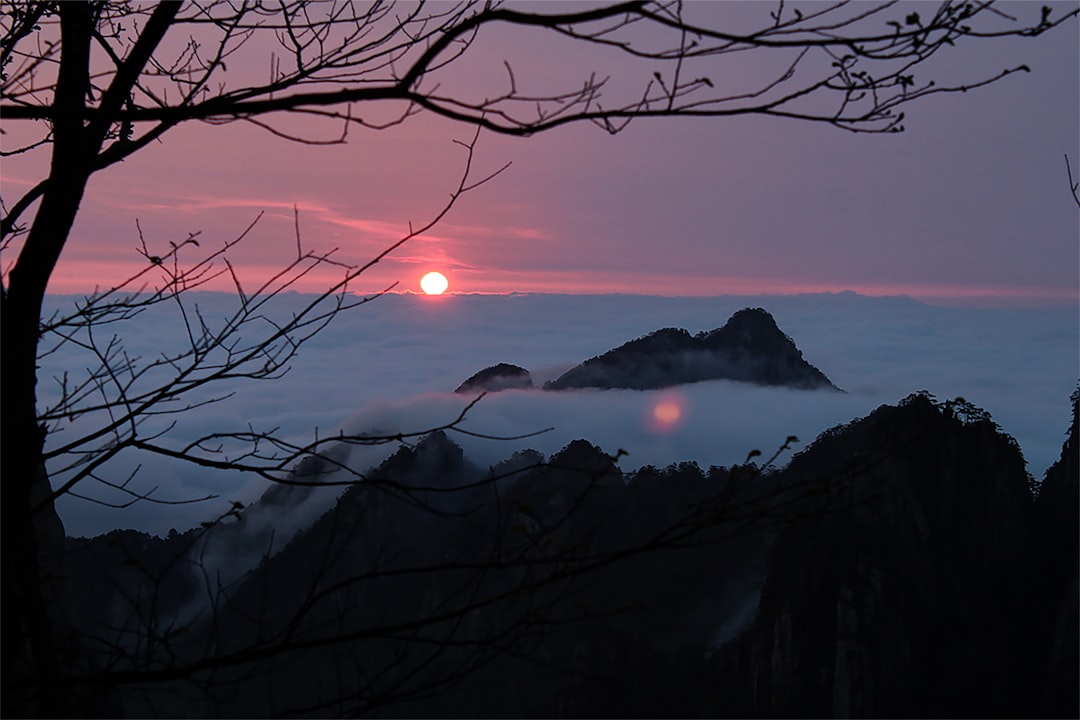
Huangshan (Yellow Mountain) is worth visiting all year round. The best time depends on what you want to see, how much you want to spend, and how many other travelers you want to share the trails with.
Each season offers a different experience: spring and summer bring lush greenery and seas of clouds; autumn offers cooler hiking weather and red leaves; winter provides snow-capped peaks, rime trees, and significantly fewer visitors with lower hotel rates.
Quick Seasonal Overview
| Season | Best For | Trade-offs |
|---|---|---|
| Spring (March-May) | Sea of clouds, flowers, green scenery | Some rain, humid weather |
| Summer (June-August) | Peak scenery, long daylight hours | Hot weather, more visitors |
| Autumn (September-November) | Cool hiking, red leaves, less rain | Popular season, moderate crowds |
| Winter (December-February) | Snow scenery, discounts, few crowds | Cold weather, shorter daylight |
Spring and Summer: Green Scenery and Clouds
Spring and summer are when Huangshan shows its classic lush landscape. The mountains turn green, and the sea of clouds phenomenon is most likely to appear during these months.
What you can expect:
- Green natural scenery covering the peaks and valleys
- Sea of clouds visible on many mornings (weather-dependent)
- Yellow rape flowers along roads in spring
- Red flowers covering parts of the mountains in May
This period suits travelers who want the iconic “Huangshan in the mist” photos and do not mind occasional rain or humid conditions. The sea of clouds is more likely during spring and summer because temperature differences between day and night create the right conditions.
Autumn: Cool Weather and Red Leaves
Autumn is often recommended for physical comfort. The weather is cooler, there is less rain, and hiking becomes more pleasant for most visitors.
What you can expect:
- Cooler temperatures good for climbing
- Less rainfall compared to summer
- Beautiful red leaves on many slopes
- Comfortable hiking conditions
This season fits families, hikers sensitive to heat and humidity, and travelers who prefer stable weather. The red leaves add a different visual layer to the mountain scenery, making autumn photos distinct from the green spring and summer look.
Winter: Snow, Discounts, and Fewer Crowds
Winter is the quietest season at Huangshan. It is cold, but the trade-offs include lower costs and fewer people on the trails.
What you can expect:
- Cold temperatures, especially at elevation
- Snow-capped mountains and possible rime trees (weather-dependent)
- Scenic area and hotels often offer discounts
- Significantly fewer visitors than other seasons
Winter fits budget-conscious travelers, photographers seeking unique snow shots, and visitors who want quiet trails. The cold is real, especially at the mountain-top hotels, so proper clothing is essential. Snow and rime tree conditions depend on daily weather luck; they are possible but not guaranteed.
What to Pack for Each Season
Your clothing choices matter more on Huangshan than at many other Chinese attractions because the elevation changes the temperature.
Spring and Summer:
- Light layers for warm weather
- Rain jacket or poncho for unexpected showers
- Comfortable hiking shoes with grip
- Sun protection (hat, sunscreen)
Autumn:
- Medium layers for cool hiking weather
- Windbreaker or light jacket
- Hiking shoes with good traction
- Layers for temperature changes between day and night
Winter:
- Warm layers, thermal underwear recommended
- Heavy jacket, gloves, and hat
- Waterproof hiking boots
- Extra layers for mountain-top overnight stays
Common Mistakes to Avoid
- Assuming one season is “wrong”: Each season has advantages. The question is whether those advantages match your priorities.
- Ignoring elevation effects: Temperatures on the mountain are colder than in the city below. Pack for the mountain conditions, not the arrival city.
- Expecting guaranteed snow in winter: Snow and rime trees are possible, not guaranteed. Check weather forecasts before planning a winter trip around snow scenery.
- Assuming crowd levels are the same year-round: Chinese holidays like Golden Week (early October) bring large crowds regardless of the season. Check the calendar before choosing dates.
Summary: Match Your Priorities to the Season
Huangshan works all year. The right time depends on your goals:
- Want sea of clouds and classic green scenery? Spring or summer.
- Want cooler hiking and red leaves? Autumn.
- Want lower costs and fewer crowds? Winter.
Check the Chinese holiday calendar, pack for the elevation, and plan around what matters most to you.
Final words
More reading and next steps
That is the main thread of the article. Keep the links below handy, and use the related posts to continue exploring the same topic from a different angle.
Comments