Best Time to Visit Zhangjiajie: Weather Guide for First-Time Visitors
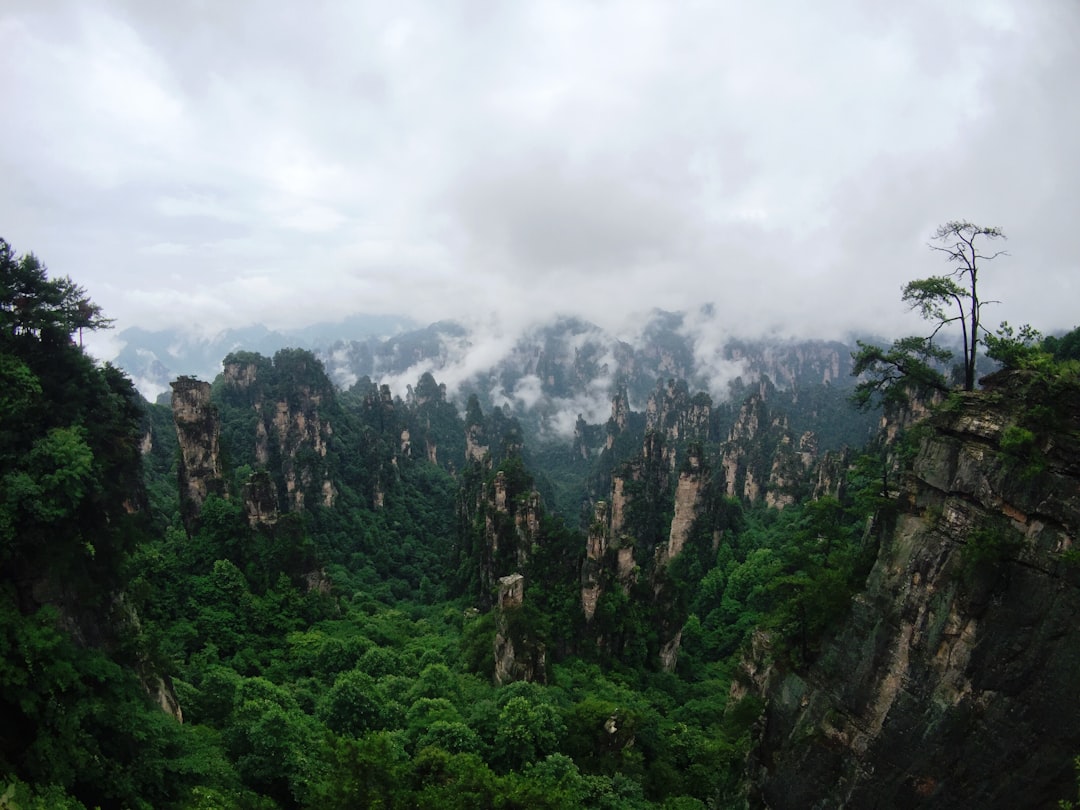
The best time to visit Zhangjiajie is late April through May or September through October. These shoulder seasons offer comfortable temperatures between 15 and 25 degrees Celsius, clearer skies, and fewer crowds outside Chinese holiday peaks. Summer brings lush scenery but also heat, humidity, and peak tourist numbers. Winter is quietest with possible snow scenery but cold temperatures.
Weather at Zhangjiajie is inherently unpredictable. No season guarantees clear views of the famous sandstone pillars. Planning around seasons helps, but building buffer days into your schedule matters just as much.
Why Timing Matters for Zhangjiajie
Zhangjiajie’s sandstone pillar formations are the main attraction. The towering peaks that inspired the Avatar movie landscape depend on visibility. Fog and mist can obscure the views for hours or even days.
Spring and autumn typically have less persistent fog than humid summer months. Rain can clear overnight in September, leaving crisp morning views. But some travelers experience fog even in recommended months. The mountain microclimate does not follow predictable patterns.
Seasonal Breakdown
Spring (April to May)
Spring is one of the best windows for Zhangjiajie. Temperatures range from 15 to 25 degrees. Humidity is lower than summer. Fog tends to be less persistent.
Flowers bloom in the forest park. The vegetation looks fresh without the summer heat stress. Crowds are manageable except around the Labor Day holiday from May 1 to 7.
Summer (June to August)
Summer is peak tourist season. Chinese school holidays mean families travel in large numbers. Temperatures often exceed 30 degrees with high humidity.
The scenery is lush and green. But the heat makes hiking tiring. Fog and rain are more common in summer due to higher humidity. Cable cars and elevators can have long queues.
Autumn (September to October)
Early autumn is another recommended window. September offers post-summer shoulder season conditions. October brings cooler temperatures and often clearer skies.
Some travelers report excellent September visits with sunny days. Others encounter fog during the same period. The pattern shows weather luck varies even in good seasons.
Avoid the National Day holiday from October 1 to 7. Crowd levels peak during this week. Popular viewing platforms become packed.
Winter (December to February)
Winter is the quietest season. Temperatures drop to around 5 degrees or lower. Snow can create beautiful scenery on the pillars.
The crowds are thin. Hotel rates drop. But cold weather makes outdoor exploration less comfortable. Some cable cars operate on reduced schedules.
Chinese Holidays to Avoid
Chinese national holidays dramatically change the Zhangjiajie experience. Crowd levels surge during these periods:
- Labor Day (May 1 to 7): Spring peak with queues at all attractions
- National Day (October 1 to 7): Autumn peak with extreme crowds
- Chinese New Year (January or February): Winter peak with domestic tourists
Queue times for cable cars and elevators can exceed two hours during holiday peaks. Viewing platforms become crowded enough that photography becomes difficult.
Check the exact dates before planning. Chinese New Year shifts each year based on the lunar calendar.
Weather Unpredictability
Zhangjiajie is a mountain destination. Mountain weather does not follow forecasts reliably. The microclimate around the pillars can differ from city forecasts.
Some travelers spent three days in Zhangjiajie during what seemed like a reasonable season and experienced constant rain and thick fog. They barely saw anything. Others visited in early September with clear blue skies except for one brief morning rain.
Both outcomes are real. Planning around seasons improves odds but does not guarantee views.
Practical Preparation Tips
Add Buffer Days
Plan at least one buffer day beyond the minimum visit duration. If you want two days for National Forest Park and one for Tianmen Mountain, schedule four or five total days in Zhangjiajie.
Buffer days let you shift mountain visits to clearer weather windows. You can slot foggy days for weather-proof alternatives like Huanglong Cave.
Pack Rain Gear Year-Round
Bring a lightweight rain jacket or poncho regardless of season. Zhangjiajie rain can arrive suddenly. Hiking trails become slippery.
Waterproof hiking shoes help. The stone paths stay wet after rain.
Check Live Cameras
Some tourism websites offer live camera feeds from viewpoints. Check these before committing to a mountain visit day. Conditions at the platforms may differ from your hotel window view.
Book Refundable Options
Choose refundable hotel bookings when possible. Tickets for some attractions may allow date changes. Policies vary. Check before assuming flexibility.
What to Pack by Season
| Season | Temperature Range | Key Items |
|---|---|---|
| Spring | 15-25 C | Light jacket, rain gear, comfortable hiking shoes |
| Summer | 25-35 C | Sun protection, breathable clothing, rain gear, extra water |
| Autumn | 15-25 C | Light jacket, rain gear, layered clothing |
| Winter | 0-10 C | Warm jacket, gloves, thermal layers, rain gear |
Summary
Late April through May and September through October are the best windows to visit Zhangjiajie. These shoulder seasons offer comfortable weather and clearer skies outside holiday peaks.
But weather at mountain destinations remains unpredictable. Some travelers see perfect views in recommended months. Others see fog and rain during the same periods.
Plan buffer days. Pack rain gear. Avoid Chinese national holidays. Check conditions before committing to mountain days. Zhangjiajie rewards flexible travelers who prepare for uncertainty.
Final words
More reading and next steps
That is the main thread of the article. Keep the links below handy, and use the related posts to continue exploring the same topic from a different angle.
References and links
- China Discovery Zhangjiajie Weather Guide Detailed seasonal breakdown with temperature ranges and crowd information
- Travel China Guide Zhangjiajie Weather Month-by-month weather averages and clothing recommendations
- China Highlights Zhangjiajie Weather Practical travel timing advice with crowd level estimates
- Zhangjiajie Tourism Official Website Official park information including current conditions and announcements
Comments