Is Zhangjiajie Worth Visiting Despite Weather Risks: What Travelers Really Experience
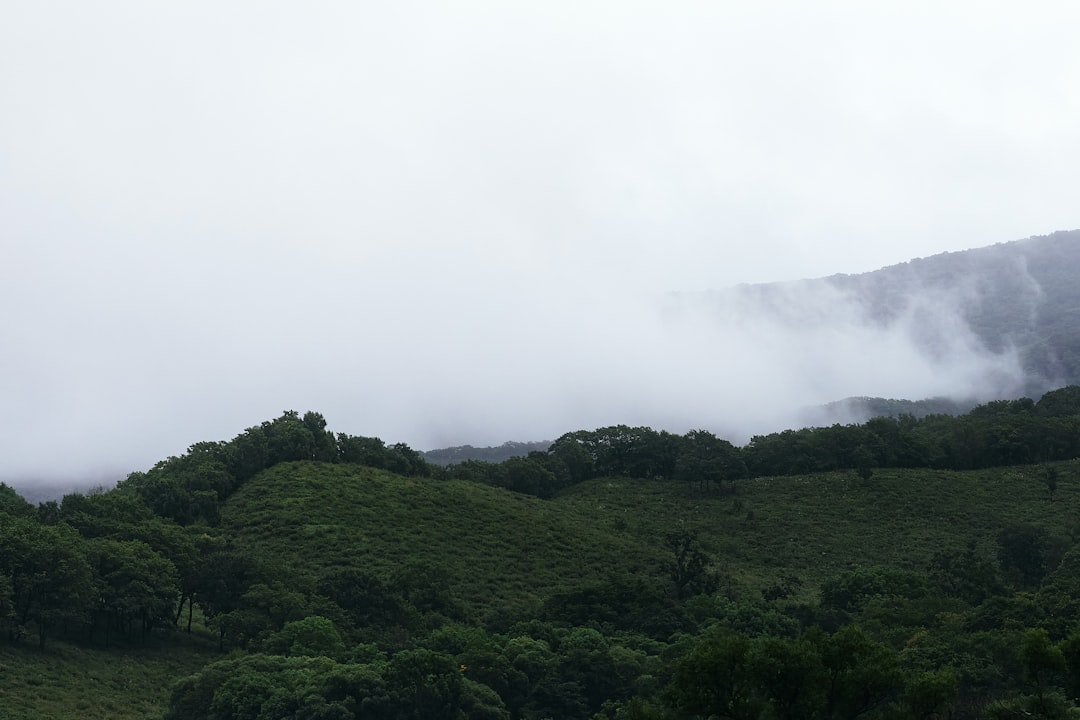
Zhangjiajie is worth visiting if you plan for weather unpredictability, build buffer days into your schedule, and understand that clear mountain views are not guaranteed.
Some travelers had stunning clear days. Others saw nothing due to fog. Both outcomes are real and common. The destination rewards flexible planning and realistic expectations.
If you cannot tolerate weather risk or have inflexible dates, consider visiting a less weather-dependent destination. Or plan Zhangjiajie as part of a longer China trip where you can adapt timing.
Real Traveler Experiences
The range of outcomes shows why Zhangjiajie is called hit or miss.
Full Disappointment
One traveler spent 3 days in Zhangjiajie: 2 days at National Forest Park and 1 day at Tianmen Mountain. They experienced “rain a lot and fog thick as hell most of the time. We barely saw anything. A glimpse here and there.”
This outcome is real. Visitors during recommended seasons sometimes see nothing due to fog.
Perfect Luck
Another traveler visited in early September with “all great sunny days, clear blue skies except for one morning when it rained for an hour.”
This outcome is also real. Some visitors experience ideal conditions throughout.
Mixed but Worthwhile
A third traveler had cloudy conditions at Tianmen Mountain (“couldn’t see a thing”), rain at Avatar mountains (“but things did clear enough to see”), and then visited Grand Canyon and Huanglong Cave in cloudy weather. Despite imperfect conditions, they reported “weather not ideal but still a good experience.”
This outcome shows adaptation matters. Mixing mountain and non-mountain activities salvages imperfect weather.
Why Mountain Destinations Are Weather-Dependent
Zhangjiajie sits in a mountain region with a specific microclimate. The sandstone pillars rise hundreds of meters. Fog settles around peaks regardless of forecasts.
This is not unique to Zhangjiajie. Any mountain destination with dramatic views has the same risk. Mountain weather does not follow city predictions.
Some travelers blamed themselves for choosing wrong dates. But fog can occur in any month. Weather luck is random.
What Makes Zhangjiajie Special When Conditions Work
When skies clear, Zhangjiajie delivers dramatic scenery:
- The pillar formations create a landscape unlike most destinations
- Multiple viewing platforms offer different angles on the formations
- The Avatar connection gives context that international visitors recognize
- Tianmen Mountain arch and glass skywalks add thrill elements
These features justify the trip when visibility cooperates. The scenery genuinely impresses travelers who see it clearly.
How to Prepare for Uncertainty
Build Schedule Flexibility
If you have fixed dates without flexibility, acknowledge the risk. You might see everything or nothing.
If you can adjust dates or add buffer days, do so. 4 to 5 days in Zhangjiajie lets you shift mountain visits to clearer windows.
Mix Activity Types
Plan weather-proof alternatives alongside mountain days:
- Huanglong Cave works regardless of outside weather
- Golden Whip Stream often stays visible below fog
- Baofeng Lake provides sheltered scenery
This mixing reduces total risk. Even if all mountain days fog over, you experience other attractions.
Check Conditions Daily
Each morning, look outside and check any available live cameras. If fog obscures views, shift to weather-proof activities. Do not hope for clearing.
Book Refundable Options
Choose hotels and tickets with flexibility when possible. The ability to reschedule mountain days matters for Zhangjiajie.
When Zhangjiajie Might NOT Be Worth It
Consider alternatives if:
- You have inflexible dates without buffer days
- Weather disappointment would ruin your trip experience
- You prefer predictable outcomes over dramatic potential
- Your trip is short and you need guaranteed satisfaction
If these factors apply, destinations less dependent on weather might suit better. Or visit Zhangjiajie only as part of a longer China trip where fog disappointment does not dominate the entire experience.
Practical Risk Reduction Strategies
Choose Shoulder Seasons
April to May and September to October statistically have clearer conditions. But remember: statistics do not guarantee your specific days.
Avoid Chinese Holidays
Labor Day (May 1 to 7) and National Day (October 1 to 7) bring extreme crowds. Queue times and platform congestion add negative factors beyond weather.
Arrive Early at Attractions
Cable car queues peak mid-morning. Arriving early reduces waits. Less queue time means more time for views if conditions cooperate.
Accept Partial Visibility
Some travelers find partial fog creates mystical atmosphere rather than disappointment. The formations partially visible through mist have a different beauty.
This mindset shift helps. Accepting what conditions deliver instead of demanding perfection improves experience quality.
Mindset Shift: Embracing Fog as Atmosphere
The formations partially obscured by mist look different from clear views. Some travelers appreciate the atmospheric, mysterious quality.
If you approach Zhangjiajie expecting one specific outcome, disappointment follows when that outcome does not occur.
If you approach with openness to varied conditions, partial visibility becomes part of the experience rather than a failure.
Summary Decision Framework
Zhangjiajie is worth visiting if:
- You accept weather unpredictability as inherent
- You build buffer days into your schedule
- You plan weather-proof alternatives
- You can tolerate partial or poor visibility outcomes
Consider alternatives if:
- Your dates are fixed without flexibility
- Weather disappointment would dominate your trip memory
- You need guaranteed views for satisfaction
The destination rewards flexible, realistic travelers. Fixed expectations lead to frustration when weather does not cooperate.
Final words
More reading and next steps
That is the main thread of the article. Keep the links below handy, and use the related posts to continue exploring the same topic from a different angle.
Comments