How to Pick Quality Adult Study Tours in China: What to Ask Before You Book
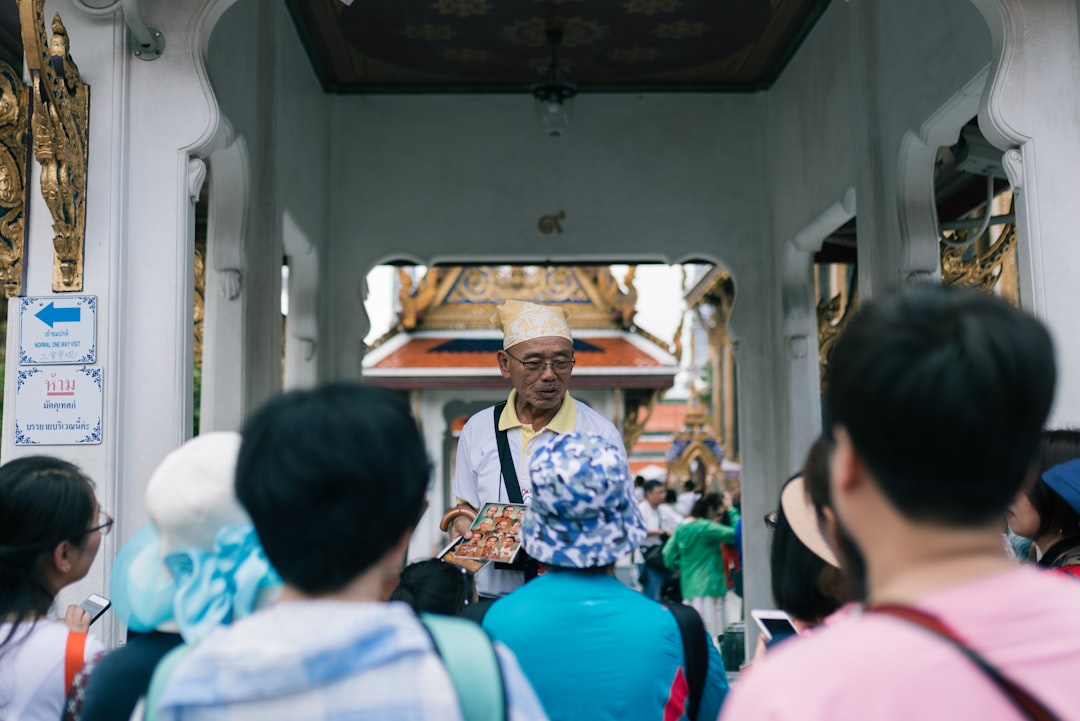
To choose a quality study tour in China, ask who leads the instruction (are they recognized experts or heritage inheritors?), whether the tour includes actual skill practice vs. only demonstrations, how much time is dedicated to learning (full days vs. brief sessions), and what tangible outcomes you will achieve. Avoid tours labeled “study tours” that offer only sightseeing with superficial cultural add-ons.
What a Shallow Study Tour Looks Like
The China Tourism Association has noted that some products labeled as “study tours” lack real depth. Here’s how to spot them:
Red Flags
- Brief demonstrations only: 1-2 hour “craft sessions” without hands-on practice
- Photo-focused activities: Tours that promise “learning” but offer mainly photo opportunities
- No expert credentials: Generic guides instead of specialists in the topic
- Sightseeing disguised as study: Regular tourist sites with a short cultural add-on
These products may use the “study tour” label for marketing, but they deliver standard sightseeing with a thin educational veneer.
What a Quality Study Tour Looks Like

Quality tours show clear differences in structure, instructors, and outcomes.
Shanxi Architecture Tour Example
A quality Shanxi ancient architecture tour featured:
- Expert guides: Archaeologists, art professors, religious studies professors, and museum researchers
- Pre-visit preparation: Guides sent slides and images before each site visit
- Active learning: Participants continued researching in hotel rooms after daily visits
- Real outcomes: Learned to identify historical periods by examining building structure
This example shows what genuine educational travel looks like—preparation, expert instruction, and skills you can apply independently.

Guizhou Silver Workshop Example
A quality Miao silver workshop featured:
- Recognized instructors: Inheritors of national intangible cultural heritage
- Full-day practice: Nine hours daily of hands-on work
- Tangible creation: Participants made their own jewelry collection (pendants, earrings, rings)
- Skill retention: Learned techniques that could be practiced independently
This workshop delivered genuine skill development—not just observation.
Questions to Ask Before Booking
Use this checklist to evaluate any study tour before you pay.
Instructor Credentials
- Who leads the instruction? Ask for names and backgrounds.
- Are they recognized experts? Look for heritage inheritors, professors, or museum researchers.
- Can you verify their credentials? Ask for bios or affiliations with official cultural heritage organizations.
Time Allocation
- How much time is dedicated to learning? Quality tours show six to nine hours daily.
- Is it hands-on or demonstration-only? Ask whether you will practice the skill or just watch.
- What does the daily schedule look like? Request a detailed schedule before booking.
Learning Outcomes
- What will I create or learn? Ask for specific outcomes—a finished piece, a skill, or knowledge.
- Can I continue practicing after the tour? Quality tours teach skills you can use independently.
- What materials are provided? Ask whether tools, materials, or reference guides are included.
Practical Logistics
- What is included in the price? Accommodation, meals, materials, transportation?
- What is the group size? Smaller groups usually mean more instructor attention.
- Is language support available? International travelers should ask about English guides or translation.
Price Expectations
The Seekers offers study tours priced at 2,500 to 4,950 yuan (about $366-$724) per person. This range suggests:
- Lower end (2,500 yuan): Shorter courses, standard accommodation, or fewer included services
- Higher end (4,950 yuan): Longer duration, expert-led instruction, more comprehensive packages
Price alone does not guarantee quality. A moderately priced tour with heritage inheritors may offer better value than an expensive tour with generic guides.
Common Mistakes to Avoid
Booking Without Checking Instructor Backgrounds
A tour that promises “expert guidance” should specify who the experts are. Before booking, ask for instructor bios. If the operator cannot provide details, the “expert” claim may be marketing language.
Expecting Quick Demonstrations
Some travelers assume a “study tour” means a few hours of cultural activity. Quality tours require full-day commitment. If you want genuine learning, prepare for intensive schedules.
Not Asking About Language Support
The source articles did not confirm English-language availability. International travelers should inquire directly. Some operators may offer translation; others may not.
Ignoring Time Allocation
A quality tour spends most of its time on learning. If the schedule shows more sightseeing than instruction, it may be a standard tour with a “study” label.
Summary
To choose a quality study tour in China, focus on instructor credentials, time allocation, and learning outcomes. Ask who teaches—heritage inheritors, professors, or museum researchers indicate quality. Ask how much time is dedicated to hands-on practice—six to nine hours daily suggests genuine learning. Ask what you will create or learn—tangible outcomes matter. Avoid tours that offer only brief demonstrations, photo opportunities, or sightseeing with cultural add-ons. Prices range from 2,500 to 4,950 yuan, but price alone does not guarantee quality. The best tours deliver skills you can use independently, not just memories of having watched an expert work.
Final words
More reading and next steps
That is the main thread of the article. Keep the links below handy, and use the related posts to continue exploring the same topic from a different angle.
Comments