Where to Learn Traditional Crafts in China: Best Destinations for Hands-on Travel
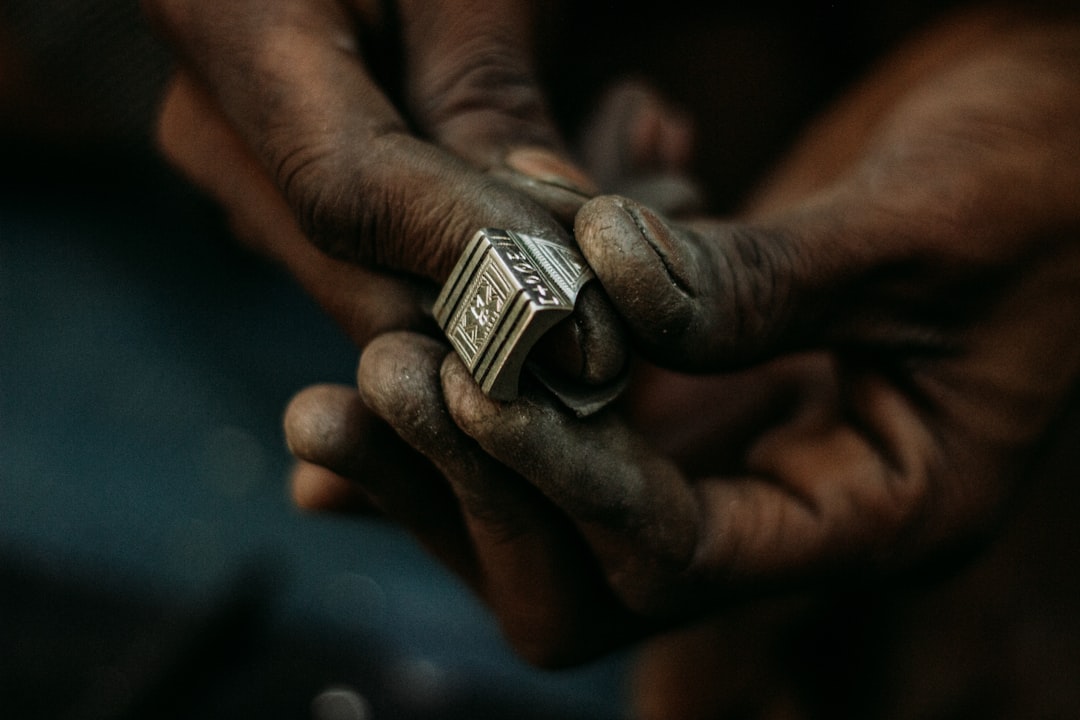
You can learn Miao silver jewelry making in Guizhou province, ceramic inlay in Chaozhou (Guangdong), pottery and metalwork in Jingdezhen (Jiangxi), and traditional weaving in neighboring regions like Thailand. These workshops typically last 3-7 days and are taught by recognized inheritors of intangible cultural heritage.
Guizhou: Miao Silver Jewelry Making
Guizhou province offers the most documented craft learning experience in China. Miao silver jewelry-making is a national intangible cultural heritage, and recognized inheritors teach travelers the huasi (filigree) technique.
What You Learn
The process involves several steps:
- Heating silver: Silver is melted and prepared for shaping
- Hammering into shape: The basic form is created
- Twisting fine threads: Thin silver wires are twisted into decorative patterns
- Carving patterns: Details are added with small tools
- Soldering: Components are joined together
Soldering is the most challenging part. Heat must be precise—if too hot, the pieces melt; if too cool, they won’t stick together.
What You Create
One traveler spent seven days in a Miao village and created a personal collection:
- Bird-shaped pendants
- Star pendants
- Butterfly earrings
- Rings
Practical Details
- Duration: Seven days with nine hours of daily practice
- Instructors: Recognized inheritors of Miao silver jewelry-making techniques
- Location: Miao ethnic villages in Guizhou mountains
- Skill level: No prior experience mentioned—beginners should inquire about entry-level courses
Jingdezhen: Pottery and Metalwork
Jingdezhen in Jiangxi province is known as China’s porcelain capital. The city has a thousand-year history of ceramic production and offers pottery and metalwork workshops for travelers.
What Makes Jingdezhen Special
- Historical significance: The city produced porcelain for imperial courts and export markets
- Traditional kilns: Wood-fired and gas kilns still operate alongside modern facilities
- Master craftsmen: Inheritors of traditional techniques teach workshops
What to Expect
The source article mentions metalwork alongside pottery, but does not provide specific workshop details. Travelers interested in Jingdezhen should:
- Search for official cultural heritage centers or tour operators
- Ask about beginner-friendly courses
- Inquire about English-language instruction if needed
Chaozhou: Ceramic Inlay
Chaozhou in Guangdong province offers ceramic inlay workshops. This technique involves embedding ceramic pieces into surfaces to create decorative patterns.
What the Sources Confirm
The article mentions Chaozhou as a craft destination, but does not provide:
- Exact workshop locations
- Booking contacts
- Duration or pricing details
Travelers should research Chaozhou cultural heritage centers or contact study tour operators like The Seekers for current offerings.
How These Workshops Are Structured
Typical Duration
Based on documented examples, craft workshops last:
- Short courses: 3-5 days for basic skill introduction
- Full courses: 7 days for comprehensive learning with daily practice
Daily Schedule
Quality workshops follow intensive schedules:
- Morning: Instruction and demonstration
- Afternoon: Hands-on practice with instructor guidance
- Evening: Optional continuation or research
The Guizhou silver course involved nine hours daily of actual practice—not observation or brief demonstrations.
Instructor Credentials
Craft workshops are typically taught by:
- Recognized inheritors: Official designation for masters of intangible cultural heritage
- Heritage practitioners: Local artisans with formal training in traditional techniques
This designation means the technique is officially protected, and the instructor has been recognized by cultural heritage authorities.
Practical Tips for Craft Learning Travel
Language Considerations
The source article did not confirm English-language instruction. International travelers should:
- Ask operators about translation support
- Consider hiring a local translator
- Learn basic Chinese craft vocabulary before travel
What to Bring
Craft workshops may require:
- Comfortable clothing: Practical attire for workshop settings
- Old clothes: Silverwork and pottery can be messy
- Camera: To document techniques and your finished pieces
- Notebook: To record steps and tips from instructors
Booking Information
The source article mentions The Seekers as a study tour operator, but does not provide:
- Direct booking URLs for individual craft workshops
- Contact information for Guizhou, Jingdezhen, or Chaozhou heritage centers
Travelers should:
- Search for “The Seekers” (theseekers.com.cn or similar)
- Contact provincial cultural heritage bureaus
- Look for tour operators specializing in educational travel
Accommodation Options
Craft workshops in ethnic villages may offer:
- Village homestays: Living with local families
- Nearby hotels: Standard accommodation in nearby towns
Ask operators about included accommodation before booking.
Summary
China offers several destinations for hands-on craft learning. Guizhou province hosts seven-day Miao silver jewelry courses taught by heritage inheritors. Jingdezhen offers pottery and metalwork in China’s porcelain capital. Chaozhou provides ceramic inlay workshops. These courses typically last 3-7 days with intensive daily practice. Before traveling, ask about language support, instructor credentials, accommodation, and booking contacts. The best experiences come from workshops that offer genuine skill development—not photo opportunities with a cultural label.
Final words
More reading and next steps
That is the main thread of the article. Keep the links below handy, and use the related posts to continue exploring the same topic from a different angle.
Comments