What to Eat in Fuzhou: 7 Must-Try Dishes for First-Time Visitors
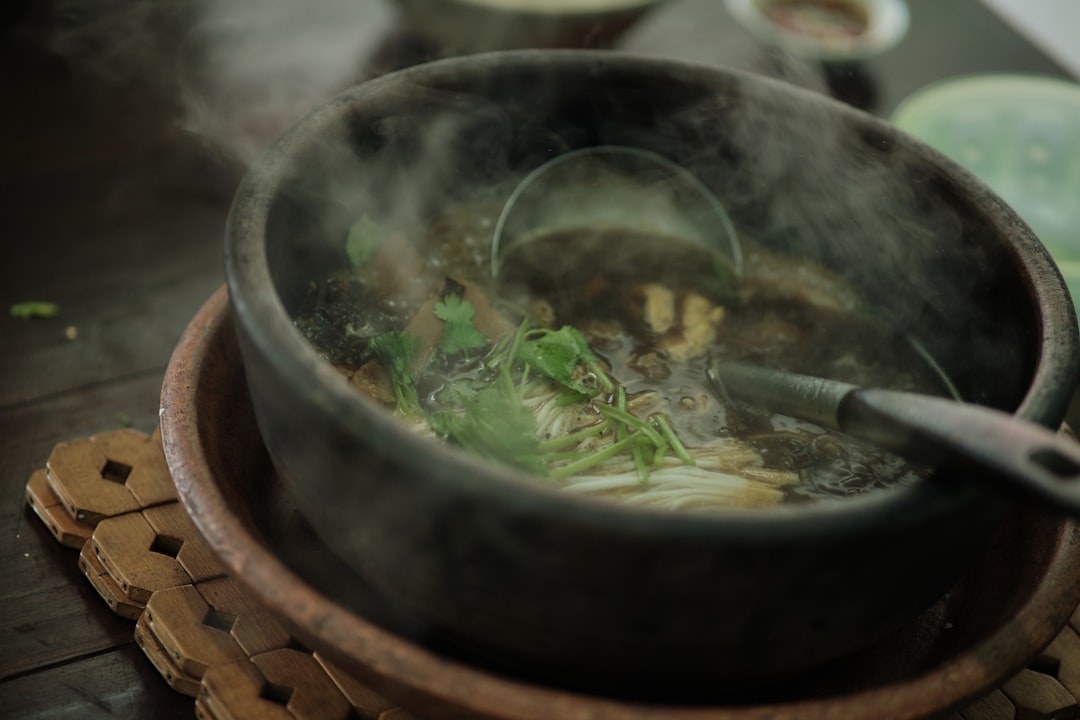
Fuzhou, the capital of Fujian province, is the birthplace of Min cuisine, one of China’s eight major culinary traditions. If you are visiting for the first time and wondering what to eat, this guide covers the seven dishes you should try.
The Seven Essential Fuzhou Dishes
Min cuisine is known for being light, fresh, and umami-rich. Unlike the spicy flavors of Sichuan or the heavy sauces of Cantonese cooking, Fuzhou food emphasizes natural flavors and careful preparation.
1. Fish Balls (Yuwan)
Fish balls are perhaps the most iconic Fuzhou street food. Made from fish such as eels, sharks, or mackerels mixed with sweet potato starch, they are filled with lean pork or shrimp. The texture is springy and the broth is clear and flavorful.
You can find fish balls at street stalls throughout the city, especially near the Sanfang Qixiang area. Many locals eat them as a breakfast or snack rather than a main meal.
2. Buddha Jumps Over the Wall (Fotiaoqiang)
This is Fuzhou’s most prestigious dish, a slow-cooked luxury soup containing abalone, sea cucumber, dried scallops, pigeon eggs, shiitake mushrooms, ham, fish maw, pork tendon, and over 30 other ingredients. The authentic version is served at Juchunyuan restaurant, established in 1865 and recognized as the dish’s birthplace.
The dish has been recognized as a national-level intangible cultural heritage and has appeared at state banquets. The name comes from a legend that the dish is so delicious that even a Buddha would break vegetarian vows to try it.
Expect premium pricing at Juchunyuan. You may want to call ahead or ask about reservation requirements.
3. Rouyan (Meat-Filled Wontons)
Rouyan differs from regular wontons because the wrapper itself is made from pounded pork and sweet potato starch, not just flour. This gives the wrapper a distinctively smooth, almost translucent texture. The filling is typically pork and the soup is light and savory.
4. Dingbianhu (Rice Paste Soup)
This is a breakfast dish where a thin rice paste is cooked along the edges of a hot wok, then scraped into a soup with seafood, pork, and vegetables. The result is a comforting, mildly savory soup with soft, slippery rice flakes.
5. Oyster Cake (Hailibing)
A fried snack made with a batter of rice flour and sweet potato flour, filled with fresh oysters, pork, and vegetables. The exterior is crispy while the inside remains soft and juicy. You will find these at street food stalls, especially in the morning.
6. Lychee Pork (Lizhi Rou)
This dish gets its name from its appearance, not its ingredients. Pork is cut into pieces, coated, fried, and then cooked in a sweet-savory sauce that gives it a reddish color resembling lychee fruit. The flavor is tangy and slightly sweet, distinctive to Min cuisine.
7. Guangbing (Baked Biscuits)
These are round, baked biscuits with a firm texture. They have historical significance as a food carried by soldiers during the Ming Dynasty. Today, they are a common snack, sometimes filled with meat or eaten plain with tea.
Practical Tips for Ordering
Most local food stalls accept Alipay and WeChat Pay. Cash may work at older establishments, but digital payment is more reliable.
Pointing at menu items or showing photos works well at street stalls. Using the Chinese names helps:
- Fish balls: yuwan
- Buddha Jumps Over the Wall: fotiaoqiang
- Meat wontons: rouyan
- Rice paste soup: dingbianhu
- Oyster cake: hailibing
- Lychee pork: lizhi rou
- Baked biscuits: guangbing
If you want to compliment the food, you can say “hao chi” (delicious).
What Makes Fuzhou Food Different
Fuzhou cuisine is lighter than what many foreign visitors expect from Chinese food. The flavors are subtle and emphasize freshness rather than strong seasonings. This makes it accessible to Western palates, but also means you should not expect spicy or heavy flavors.
A Reddit traveler who visited Fuzhou noted that the city has “a lot of delicious food” and specifically mentioned the kway teow soup, which resembles Vietnamese pho. This historical connection between Fuzhou noodles and pho is something food enthusiasts may find interesting.
Where to Focus Your Food Exploration
The Sanfang Qixiang historic area has many food stalls and restaurants, making it a convenient starting point. For Buddha Jumps Over the Wall, head to Juchunyuan. For street snacks like fish balls and oyster cakes, explore the smaller lanes and morning markets.
Budget-conscious travelers should note that Buddha Jumps Over the Wall is a premium dish with luxury ingredients. The other six dishes on this list are typically affordable and available at street-level prices.
Common Mistakes to Avoid
Do not expect spicy food. Fuzhou is not known for heat or heavy seasoning.
Do not limit yourself to tourist restaurants. The best fish balls and oyster cakes often come from small stalls with limited English menus.
Do not skip Buddha Jumps Over the Wall because of the price if you are interested in culinary heritage. The authentic version at Juchunyuan is a cultural experience, not just a meal.
Final words
More reading and next steps
That is the main thread of the article. Keep the links below handy, and use the related posts to continue exploring the same topic from a different angle.
References and links
- Juchunyuan Buddha Jumps Over the Wall - National Intangible Cultural Heritage Official Fujian Provincial Government page on Juchunyuan restaurant and Buddha Jumps Over the Wall as national-level intangible cultural heritage
- Fuzhou Fish Balls - Fujian Provincial Government Official description of Fuzhou fish balls, ingredients, and cultural significance
- Fuzhou Food Guide - EastChinaTrip Comprehensive food guide with dish descriptions and where to find them
Comments