Buddha Jumps Over the Wall: Where to Try Fuzhou's Famous Luxury Soup
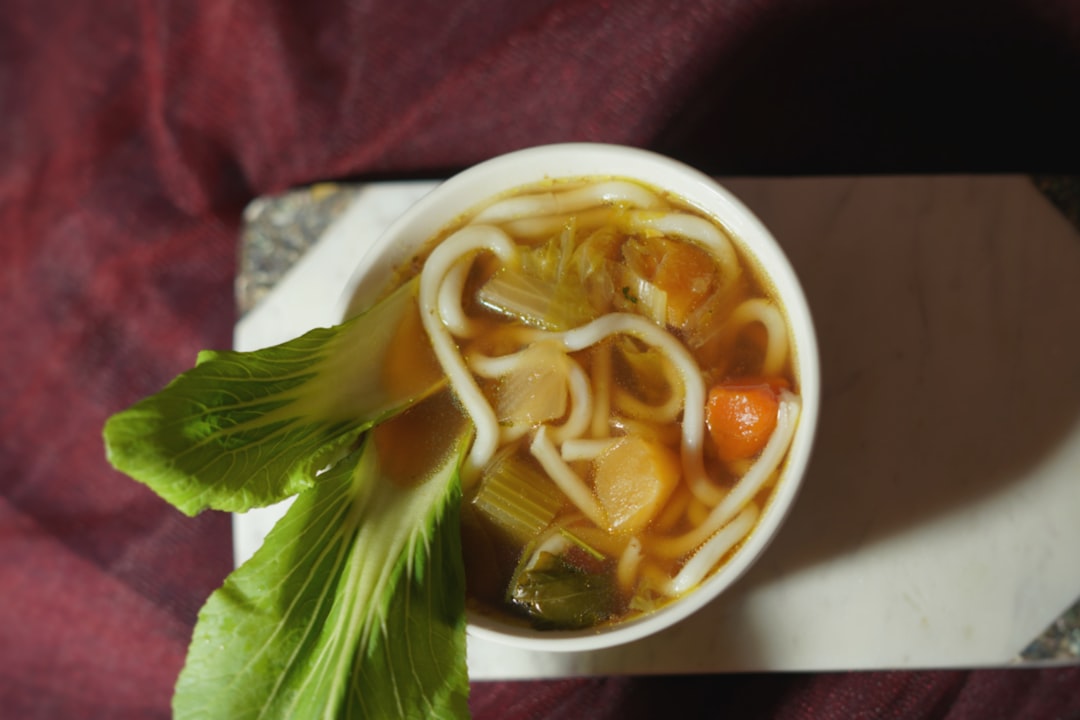
Buddha Jumps Over the Wall is Fuzhou’s most famous luxury dish, a slow-cooked soup containing over 30 premium ingredients. If you want to try the authentic version, you need to go to Juchunyuan restaurant, the dish’s birthplace established in 1865.
What Is Buddha Jumps Over the Wall
The dish, called fotiaoqiang in Chinese, is a complex soup made from abalone, sea cucumber, shark fin, dried scallops, pigeon eggs, shiitake mushrooms, ham, fish maw, pork tendon, and many other ingredients. Everything is slow-cooked in a Shaoxing wine jar over low flame for hours.
The result is a rich, layered broth where each ingredient contributes its own flavor and texture. The preparation requires significant skill and time, which is why the authentic version is expensive and typically served at higher-end restaurants.
The Name and Its Origin
The name comes from a legend that the dish is so delicious that even a Buddha, upon smelling it from outside a temple wall, would break vegetarian vows to try it. The story dates back to the Qing Dynasty during the Daoguang Emperor period.
While origin stories vary, the official recognition credits Juchunyuan restaurant in Fuzhou as the dish’s birthplace. Today, the recipe is recognized as a national-level intangible cultural heritage under traditional craftsmanship.
Where to Try the Authentic Version
Juchunyuan is the oldest restaurant in Fujian province, established in 1865. It is located in the heart of Fuzhou, near the Sanfang Qixiang historic area. The restaurant has served this dish at state banquets in Beijing and won the Golden Tripod Award.
A Reddit traveler recommended: “If you visit Fuzhou must eat Buddha jump over the wall from Juchunyuan, recognised state dinner standard.”
This confirms that international travelers recognize Juchunyuan as the authentic source, not just a tourist attraction.
Practical Tips for Visiting Juchunyuan
The dish is premium-priced given its luxury ingredients. You should expect to pay significantly more than for regular restaurant dishes in Fuzhou.
There is no official English menu or price list available online, so you may need to inquire directly at the restaurant. Calling ahead to ask about reservations and pricing is recommended.
The restaurant may require advance ordering for this specialty dish, especially if you want the full authentic version rather than a simplified variant.
Shark fin is controversial internationally due to sustainability concerns. Some modern versions may substitute ingredients. If this matters to you, ask about the specific ingredients when ordering.
What to Expect From the Experience
This is not a quick street food snack. Buddha Jumps Over the Wall at Juchunyuan is a formal dining experience. The setting is more upscale than typical Fuzhou eateries.
The dish is served in a manner that reflects its heritage status. You are not just eating soup; you are experiencing a piece of culinary history that has been served to Chinese leaders and foreign dignitaries.
For food enthusiasts interested in Chinese culinary heritage, this dish represents the pinnacle of Min cuisine technique. The hours of preparation, the quality of ingredients, and the centuries of refinement make it worth the investment if you care about food history.
Alternatives and Considerations
If the authentic version is beyond your budget or you cannot secure a reservation, simpler seafood soups in Fuzhou still showcase Min cuisine’s light, fresh style. You can experience Fuzhou’s culinary character through fish balls, rouyan, and dingbianhu without the premium pricing.
However, if you specifically want to understand why this dish is legendary, the authentic Juchunyuan version is the only real answer. Budget versions at other restaurants lack the same ingredient quality and preparation depth.
Why This Dish Matters for Fuzhou
Buddha Jumps Over the Wall is not just famous food. It is part of Fuzhou’s identity as the birthplace of Min cuisine. The city has over 1,000 years of culinary history, and this dish represents the sophisticated end of that tradition.
For travelers spending multiple days in Fuzhou, adding Juchunyuan to your itinerary gives you a complete picture of what the city offers, from street-level snacks to heritage-level banquet dishes.
Final words
More reading and next steps
That is the main thread of the article. Keep the links below handy, and use the related posts to continue exploring the same topic from a different angle.
References and links
- Juchunyuan Buddha Jumps Over the Wall - National Intangible Cultural Heritage Official Fujian Provincial Government page on Juchunyuan restaurant and Buddha Jumps Over the Wall as national-level intangible cultural heritage
- Buddha Jumps Over the Wall - Wikipedia Overview of the dish's history, ingredients, and cultural significance
- Buddha Jumps Over the Wall - ChinaTripedia Detailed article on dish history, preparation method, and ingredients
- Buddha Jumps Over the Wall - Travel China Official Travel China article on the dish and its place in Chinese cuisine
Comments