How to Use Hospitals in China as a Foreigner: A Practical Guide
If you need medical care while traveling in China, go to a Grade 3A hospital (also called “Sanjia Hospital”). These are the highest-tier public hospitals in China’s healthcare system, with the best specialists and equipment. For a better experience, ask for the VIP wing (called “special needs clinic” or “Te Xu Men Zhen”), where wait times are shorter and service is more comfortable.

Why Choose a Grade 3A Hospital?
China classifies hospitals into three tiers. Grade 3A hospitals represent the highest level of medical care. They receive the most government funding, attract top specialists, and have the most advanced equipment. Chinese citizens overwhelmingly prefer these hospitals for serious conditions.
For foreign visitors, Grade 3A hospitals in major cities like Beijing, Shanghai, and Guangzhou often have English-speaking staff and international patient services. The quality gap between these hospitals and lower-tier facilities is significant.
The VIP Wing Advantage
Many foreigners assume private international clinics are the best option. This is often a mistake. Private clinics charge premium prices, sometimes five times more than public hospitals. What many expats don’t know is that top-tier public hospitals offer VIP wings that provide faster, more comfortable service at a moderate premium.
One expat described their experience: after previously paying five times the price at private clinics, they tried a Grade 3A hospital’s VIP wing. They saw a specialist, got an MRI, and received results in about 90 minutes—much faster than what would typically be a months-long wait in their home country.
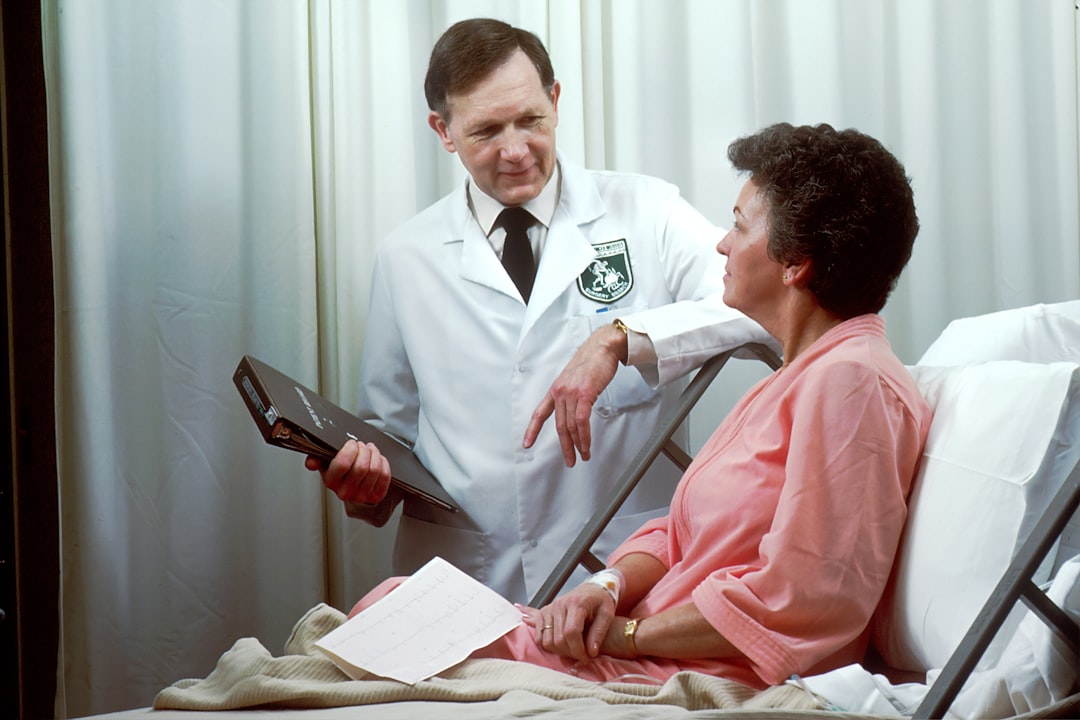
Step-by-Step: Visiting a Chinese Hospital
1. Choose the Right Hospital
In major cities, look for Grade 3A hospitals with international patient services. Some well-known options include:
- Beijing: Peking Union Medical College Hospital, Beijing United Family Hospital (private but high quality)
- Shanghai: Ruijin Hospital, Huashan Hospital
- Guangzhou: Sun Yat-sen Memorial Hospital
Search online for “Grade 3A hospital” plus your city name to find options.
2. Prepare Before You Go
Bring these essentials:
- Your passport
- A translation app on your phone
- Cash or a payment method (WeChat Pay, Alipay, or international cards if accepted)
- Your travel insurance information

3. Navigate the Process
The typical hospital visit follows this pattern:
- Registration: Go to the registration desk (Gua Hao). Show your passport. Pay the registration fee.
- Wait: Check the electronic board for your number.
- See the doctor: Describe your symptoms. Use your translation app if needed.
- Tests: If the doctor orders tests, go to the designated department, pay, then return for results.
- Diagnosis and treatment: Return to the doctor with results. Get your prescription or treatment plan.
- Pharmacy: Fill prescriptions at the hospital pharmacy or an external pharmacy.
In VIP wings, staff often guide you through each step, significantly reducing wait times.
Handling Language Barriers
Language is the biggest challenge for foreign visitors in Chinese hospitals. Here’s how to manage it:
- Download translation apps: Google Translate, DeepL, or Baidu Translate can help with basic communication.
- Prepare key phrases: Write down your symptoms and medical history in both English and Chinese.
- Bring a Chinese speaker: If possible, ask your hotel concierge or a Chinese-speaking friend to accompany you.
- Use hospital translation services: Some Grade 3A hospitals offer translation services for international patients.
Payment and Insurance
Expect to pay upfront if you don’t have Chinese insurance. Keep all receipts for reimbursement from your travel insurance.
Payment methods vary by hospital:
- WeChat Pay and Alipay are widely accepted
- International credit cards may work at some hospitals
- Cash is accepted everywhere
Private international clinics are more likely to accept international insurance directly, but at a much higher cost.
Common Mistakes to Avoid
- Assuming private is better: China’s best doctors and equipment are concentrated in public Grade 3A hospitals, not private clinics.
- Going to small hospitals in smaller cities: Quality can vary significantly between tier 1 cities and tier 3-4 cities.
- Not bringing a translation tool: Communication will be difficult without one.
- Expecting Western-style privacy: Regular wards often have multiple patients per room. Consider the VIP wing for more privacy.
When to Contact Your Embassy
For serious medical emergencies, contact your country’s embassy or consulate. They can provide lists of recommended hospitals, help with communication, and assist with medical evacuations if necessary.
Summary
- Go to a Grade 3A hospital for the best care
- Ask for the VIP wing for faster service and better comfort
- Bring your passport, translation app, and payment method
- Expect to pay upfront and seek reimbursement later
- Avoid assuming private clinics are superior—they often cost more for lower-quality care
China’s healthcare system can feel overwhelming, but with preparation, you can access quality medical care at reasonable prices.
Final words
More reading and next steps
That is the main thread of the article. Keep the links below handy, and use the related posts to continue exploring the same topic from a different angle.
Comments