Do I Need an Onward Ticket to Enter China? 2026 Rules Explained
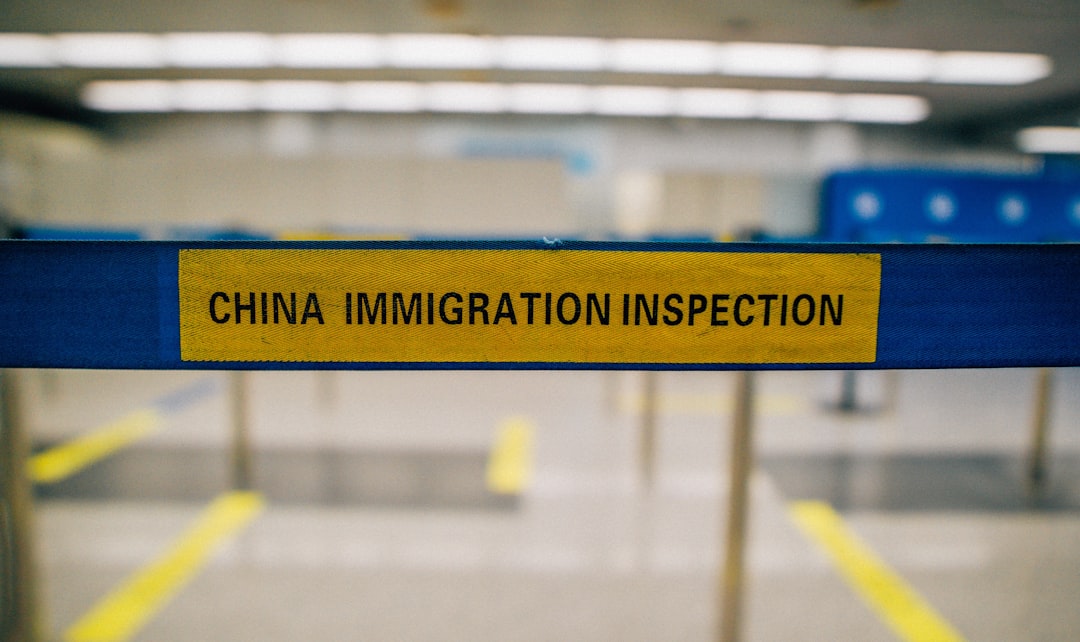
Travelers often ask whether China requires proof of onward travel. The short answer: China has no written rule demanding a return ticket, but airlines and immigration officers can ask to see evidence that you will leave before your permitted stay ends. The requirement depends on your visa type, nationality, and the airline’s policy.
What the Official Policy Says
China does not publish a blanket rule requiring return tickets for all visitors. However, immigration officers have the discretion to request proof that you intend to leave the country before your authorized stay expires.
This creates confusion. Some travelers enter China on one-way tickets without any questions. Others get stopped at airline check-in and forced to buy a last-minute flight. The difference often comes down to who checks your documents and when.
Who Gets Checked Most Often
Not all travelers face the same scrutiny. Your visa type and nationality matter.
Short-term visa holders
Tourists with L visas and business travelers with M visas face more document checks. These visas are issued for specific, limited durations. Airlines know that short-term visitors are more likely to overstay.
Visa-free travelers
Citizens of 46 countries can enter China visa-free for 30 days. This group includes most EU nations, Australia, New Zealand, and others. Visa-free travelers often report inconsistent checks. Some enter with just a passport and a hotel address. Others get asked for onward tickets at check-in.
Long-term visa holders
Travelers on student visas (X), work visas (Z), or family visas (Q) rarely need to show onward tickets. Their stays are long-term by design, so proof of exit is not expected at the border.
Where Checks Happen
There are two main checkpoints where your documents get reviewed: airline check-in and immigration arrival. They operate differently.
At airline check-in
Airlines check onward tickets more consistently than immigration. This is not altruism. Airlines face carrier-liability fines if a passenger is refused entry. Under IATA rules, the airline must pay for the return flight and may face additional penalties.
If you show up at check-in with a one-way ticket and no visa or only a short-term visa, the airline agent may ask for proof you will leave China. If you cannot provide it, they can deny boarding.
At immigration arrival
Chinese immigration officers have direct read access to airline reservation systems. They can see your booking details, including whether you have a return or onward flight.
Immigration officers can ask to see your onward ticket as part of their standard interview. However, reports suggest this happens less often than airline checks. Many travelers enter with just a first-night hotel address and a verbal explanation of their exit plans.
What Counts as Proof of Onward Travel
If you are asked to show proof, several types of documents may work:
Flight reservation
A confirmed flight booking out of China is the most widely accepted form of proof. This can be a return ticket to your home country or an onward flight to another destination.
Ferry ticket
A ferry ticket from Shenzhen Shekou Port to Hong Kong costs about $10 and is often accepted by immigration. However, some airlines do not count ferry tickets as valid onward travel for check-in purposes.
Train ticket
Train tickets from Shenzhen to Hong Kong are only sold 2 weeks in advance. Some airlines accept them; others do not. This creates uncertainty for flexible travelers.
Onward ticket service
Services like OnwardTicket.us provide real flight reservations with live PNR codes for about $7. Airlines can verify these in their systems. This is a backup option if you need proof quickly.
When You Do Not Need an Onward Ticket
Long-term visa holders typically do not need to show onward tickets. If you have a student visa, work visa, or family visa, your stay is authorized for months or years. Immigration does not expect you to have a departure date fixed in advance.
What Happens If You Get Caught Without Proof
The consequences depend on where the check occurs.
At check-in
If the airline asks for proof and you do not have it, you may have to buy a last-minute flight on the spot. These tickets typically cost $400 to $800. Some travelers have been denied boarding entirely.
At immigration
If immigration asks for proof and you do not have it, you may be sent to secondary inspection. This can involve a wait of 6 to 24 hours while officers verify your situation. In rare cases, travelers have been refused entry and returned on the next flight.
Practical Advice
The safest approach is to carry some form of proof, even if you do not expect to need it.
- If you are on a tourist or business visa, have a refundable flight, ferry, or onward ticket service reservation ready.
- If you are traveling visa-free, prepare your first-night hotel address and a clear verbal explanation of your exit plans.
- If you have a long-term visa, you are unlikely to be asked, but keep your visa documentation accessible.
Summary
China does not officially require onward tickets, but airlines and immigration can ask for them. Airlines check more often because they face financial penalties if you are refused entry. Short-term visa holders and visa-free travelers face more scrutiny than long-term visa holders. Carry proof of onward travel as insurance, even if reports suggest enforcement is inconsistent.
Final words
More reading and next steps
That is the main thread of the article. Keep the links below handy, and use the related posts to continue exploring the same topic from a different angle.
References and links
- National Immigration Administration of China Official visa-free transit policy and entry regulations
- China Visa Department Guide Explains one-way ticket rules and visa type requirements
- VisaHQ China Entry Analysis Details on visa-free entry and exit ticket enforcement
- Onward Ticket China Guide Explains carrier liability and what happens at check-in
Comments