How to Prepare for Language Barriers When Visiting China
Many foreign visitors arrive in China expecting some English support, only to find that most signs, menus, and services are in Chinese. The frustration is real, but it is also preventable.
The difference between tourists who enjoy China and those who struggle is not luck. It is preparation. This guide covers exactly what to set up before you arrive, why each tool matters, and how to use them effectively.

What You Need Before You Arrive
Foreign tourists should install Chinese navigation apps, payment apps, and download offline maps before arriving. Popular tourist cities like Shanghai, Beijing, Chongqing, and Shenzhen have better English support in tourist areas, but remote areas require more self-sufficiency.
The essential preparation includes:
- Navigation apps: Baidu Maps or Amap (Gaode Maps) provide turn-by-turn directions and public transit information that Google Maps cannot match in China
- Payment apps: Alipay or WeChat Pay with international card support, since most places do not accept foreign credit cards directly
- Translation app: A reliable translation app with offline Chinese language pack
- Offline maps: Downloaded maps for your destination cities in case connectivity is limited
- Phone service: A data plan that works in China, either through your carrier’s international roaming or a local eSIM
This preparation eliminates most of the frustration that unprepared tourists experience.
Why Language Barriers Frustrate Unprepared Tourists
China has relatively low English proficiency outside international business contexts and major tourist attractions. Unlike some Asian destinations where English is widely spoken in hospitality, China’s tourism infrastructure primarily serves domestic travelers.
The result: tourists who arrive without preparation often cannot:
- Read menus at restaurants
- Ask for directions when lost
- Book tickets for attractions
- Use ride-hailing services
- Pay for purchases at small shops
- Understand train station announcements
The frustration compounds because each small difficulty adds up. A tourist who cannot read a menu might skip a meal. A tourist who cannot call a taxi might walk an extra kilometer. A tourist who cannot pay at a convenience store might go without water.
Preparation changes this. With the right apps, you can navigate cities, book accommodations, use public transportation, and handle emergencies without relying on locals speaking English.
Step-by-Step Preparation Guide
1. Set Up Payment Apps
Payment is the most critical preparation. Most restaurants, shops, and services in China do not accept international credit cards directly. They use QR code payments through Alipay or WeChat Pay.
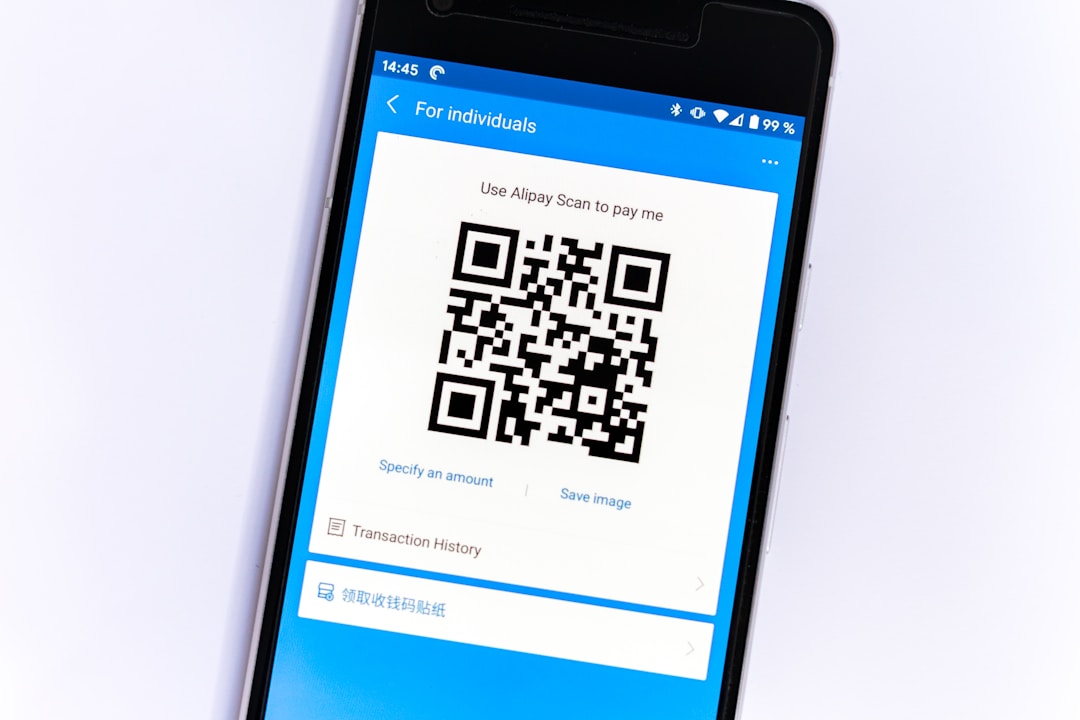
What to do:
- Download Alipay or WeChat Pay before you arrive
- Both apps now support linking international credit cards for tourists
- Complete the verification process with your passport information
- Test a small transaction after arrival to confirm it works
- Carry some cash as backup for places that only accept Chinese bank cards
Why it matters: Without mobile payment, you may struggle to buy food, pay for transportation, or enter attractions. Even some street food vendors and small shops only accept mobile payments.
2. Install Navigation Apps
Google Maps has limited functionality in China due to connectivity restrictions and incomplete local data. Chinese apps like Baidu Maps and Amap provide comprehensive public transit directions, real-time bus information, and walking navigation.

What to do:
- Download Baidu Maps or Amap before you arrive
- Both apps have some English interfaces, though functionality varies
- Download offline maps for your destination cities
- Save important locations (hotel, attractions, train stations) with Chinese names
- Consider using a translation app alongside the map for Chinese-only labels
Why it matters: Getting lost without a working navigation app is one of the most common problems for unprepared tourists. Chinese navigation apps show bus routes, subway connections, and walking paths that foreign apps miss.
3. Prepare Translation Tools
A reliable translation app helps you read menus, signs, and communicate basic needs. Some apps work offline, which is useful when connectivity is limited.
What to do:
- Download a translation app with Chinese language support
- Download offline language packs for Chinese (Mandarin)
- Learn to use the camera translation feature for signs and menus

- Prepare a few key phrases in Chinese for emergencies: “Where is the bathroom?”, “How much?”, “I need help”
Why it matters: Translation apps bridge the gap when you encounter Chinese-only signs, menus, or forms. They are not perfect, but they are far better than guessing.
4. Arrange Phone and Data Service
Your phone is your primary tool for navigation, payment, and translation in China. Reliable data service is essential.
What to do:
- Check if your carrier offers affordable international roaming in China
- Consider purchasing an eSIM with China data before arrival
- If your phone does not support eSIM, research local SIM card options at the airport
- Test your data connection immediately after landing
Why it matters: Without data, your navigation apps, translation apps, and payment apps may not work properly. Some areas have limited WiFi, making phone data your only reliable connection.
City-by-City Language Support Overview
Language support varies significantly by location. Major tourist cities have more English signage and English-speaking service staff in tourist areas. Smaller cities and rural areas require more self-sufficiency.

Major Tourist Cities (Higher English Support)
Shanghai and Beijing have the most English support. Tourist attractions, major hotels, and restaurants in central areas often have English menus and English-speaking staff. Subway systems have English announcements and signage.
Shenzhen and Guangzhou benefit from proximity to Hong Kong and have more English in business districts. Shenzhen’s metro has English signage.
Chengdu, Hangzhou, and Xi’an have growing international tourism and some English support at major attractions, but less in residential areas.
Second-Tier Cities and Rural Areas (Lower English Support)
Most other cities have limited English outside major hotels and top attractions. Signs are primarily in Chinese. Restaurant menus may be Chinese-only. Taxi drivers usually do not speak English.
In rural areas and smaller towns, expect almost no English. Navigation apps, translation tools, and payment apps become essential.
Specific Destinations with Specialized Support
Some destinations have language support tailored to specific tourist groups. For example, Zhangjiajie has Korean language support due to popularity with Korean tourists. Check if your destination has specialized support for your language.
Real Traveler Scenarios: Prepared vs Unprepared
The Prepared Cycling Tourists
A British father-son cycling team successfully traveled across China by preparing thoroughly. They:
- Installed navigation apps and downloaded offline maps
- Set up payment apps with their credit cards
- Researched each city they would pass through
- Knew population sizes, administrative levels, and key attractions
- Carried documentation for their bikes and route
When they encountered a highway restriction in Xinjiang, they cooperated with local authorities and found an alternative route. They adjusted plans when weather conditions were unfavorable. They completed their journey without major incidents.
What this shows: Preparation is the difference between success and frustration. Independent travelers can navigate even remote regions with the right tools and knowledge.
The Unprepared Motorcycle Tourists
Two German motorcycle tourists entered China without local phone service, navigation apps, or maps. They got lost in Xinjiang, could not communicate with locals, and required local officials to help them reconnect with their tour guide.
They complained about surveillance and lack of freedom, but many of their problems stemmed from poor preparation. They created difficulties for themselves and for the local officials who had to assist them.
What this shows: What looks like a hostile or confusing environment is often just an unprepared tourist facing predictable challenges.
Common Mistakes to Avoid
Assuming English Will Be Available
Many tourists expect hotels, restaurants, and attractions to have English-speaking staff. In China, this is true only at international hotels and top tourist attractions. Most everyday services operate in Chinese only.
What to do instead: Prepare as if no English will be available. Use apps for translation, navigation, and payment.
Relying on Google Maps
Google Maps has significant limitations in China due to connectivity restrictions and incomplete data. It may show incorrect locations, missing roads, or outdated transit information.
What to do instead: Use Chinese navigation apps like Baidu Maps or Amap. They have more accurate local data and work better with Chinese connectivity.
Arriving Without Payment Apps
Some tourists expect to use credit cards or withdraw cash easily. Most small shops and restaurants in China do not accept international credit cards. ATMs that accept foreign cards are not always easy to find.
What to do instead: Set up Alipay or WeChat Pay before arrival. Test the payment with a small transaction after you land.
Expecting Consistent Internet Access
Some areas have limited WiFi or slow connections. Relying solely on online apps can leave you stranded.
What to do instead: Download offline maps, offline translation packs, and important information before you arrive.
Summary
Language barriers in China are manageable with proper preparation. The key steps are:
- Set up Alipay or WeChat Pay with international card support before arrival
- Install Chinese navigation apps (Baidu Maps or Amap) and download offline maps
- Prepare translation tools with offline Chinese language support
- Arrange reliable phone data service
- Research your destination cities and save key locations with Chinese names
The difference between tourists who enjoy China and those who complain is not the country itself. It is the preparation. Well-prepared travelers can navigate cities, handle payments, and solve problems independently. Unprepared tourists face frustration at every turn.
Spend an hour setting up these tools before you fly. It will save you hours of difficulty during your trip.
Final words
More reading and next steps
That is the main thread of the article. Keep the links below handy, and use the related posts to continue exploring the same topic from a different angle.
References and links
- Alipay International Tourist Guide Official guidance for international tourists to set up Alipay with foreign credit cards support
- WeChat Pay International Card Support How international visitors can link foreign cards to WeChat Pay for payments in China
- China Travel Guide Comprehensive travel information for major Chinese cities and attractions
Comments