Unique Local Experiences in China's Small Cities: Beyond the Tourist Trail
Most first-time visitors to China follow a familiar route: Beijing for the Great Wall, Xi’an for the Terracotta Warriors, Shanghai for urban experiences. These destinations deserve their popularity, but they share a limitation—the experiences they offer are designed for tourists.
China’s 2026 Must-Play List points toward something different. It expanded to 149 new cities specifically to surface “city must-experience” attractions: hands-on workshops, traditional crafts, local markets, and cultural activities that are difficult to find in major tourist hubs. These are experiences where you don’t just observe—you participate.
What Makes Small-City Experiences Different
The attractions highlighted in smaller cities share several characteristics:
They’re participatory rather than passive. Instead of viewing historical artifacts, you learn traditional techniques. Instead of watching performances, you join workshops.
They’re hard to replicate elsewhere. A pottery class in Jingdezhen—China’s porcelain capital for over 1,000 years—offers access to techniques and materials unavailable anywhere else. A traditional Dai ethnic head massage in Mangshi uses herbal preparations specific to Yunnan province.
They’re embedded in living culture. These aren’t tourist demonstrations created for visitors. They’re working workshops, local markets, and community activities where tourists are welcome but not the primary audience.
They require more effort to access. Smaller cities may have limited international infrastructure, language barriers, or complicated transportation. This is both a challenge and an advantage—fewer tourists mean more authentic experiences.
Featured Experiences
Jingdezhen: Pottery and Porcelain Workshops

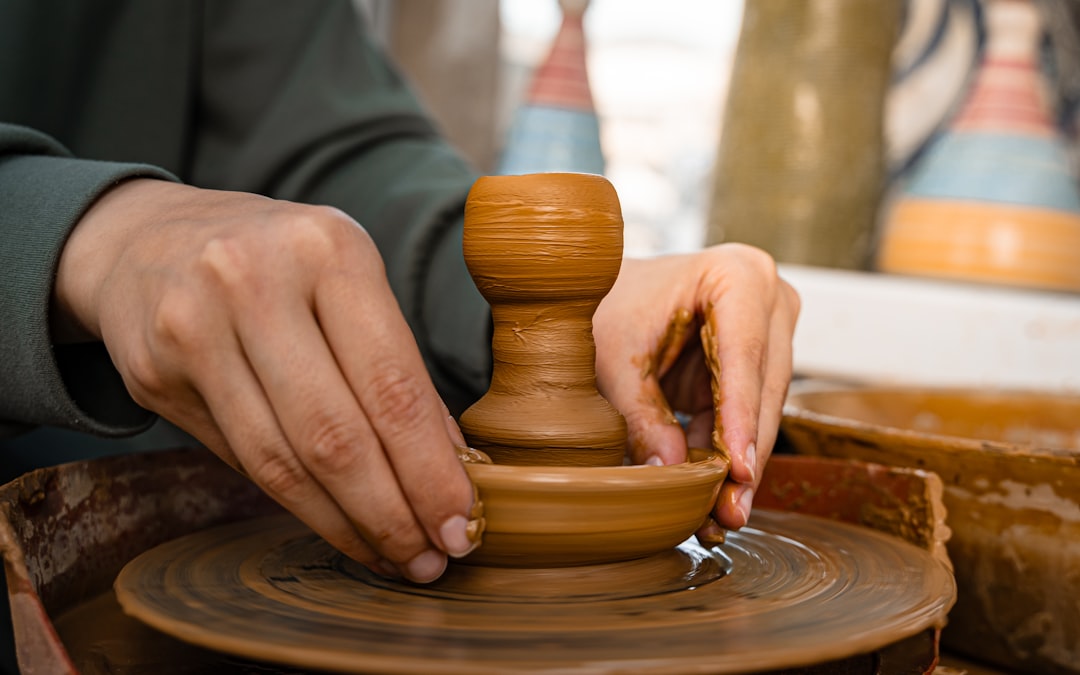
Jingdezhen has been China’s porcelain capital for over a millennium. The city’s workshops still use techniques passed down through generations, and many offer hands-on classes where you can throw pots, paint ceramics, or learn about traditional kiln firing.
What you can do:
- Take pottery classes at working studios like “Yanyu Kiln Pottery, Glass & Coffee” (言予窑陶艺·玻璃·咖啡)
- Visit the Jingdezhen Ceramics Museum to understand the history
- Explore ancient kiln sites and traditional porcelain workshops
- Create your own ceramic pieces using local materials
Why it matters: You’re not just buying a souvenir—you’re learning why Jingdezhen porcelain has been prized for centuries and experiencing the craft from the inside.
Practical notes: Jingdezhen is in Jiangxi province, accessible by high-speed rail from Shanghai (about 3 hours) or Nanchang (about 1 hour). Most workshops don’t have English-speaking instructors, so bring a translation app.
Mangshi: Traditional Dai Head Massage
Mangshi, a small city in Yunnan province near the Myanmar border, offers one of China’s most unusual spa experiences: traditional Dai ethnic head massage using herbal preparations and specialized techniques rarely found outside the region.
What you can do:
- Experience “bang bang massage shampoo” (棒棒按摩洗头), a traditional treatment combining herbal rinses with massage techniques
- Explore Dai ethnic culture, cuisine, and architecture
- Visit nearby attractions like the Menghuan Grand Golden Pagoda
- Experience the slower pace of a border region city
Why it matters: This treatment represents genuine local tradition, not a spa treatment created for tourists. The herbal preparations and massage techniques are specific to Dai culture.
Practical notes: Mangshi has an airport with flights from Kunming. It’s a small city with limited English-language services. Translation apps and basic Chinese phrases will be necessary.
Qiandongnan: Miao Batik Dyeing Workshops

Qiandongnan in Guizhou province is home to Miao ethnic communities known for their indigo batik traditions. Workshops like “Miao Caotian Miao Batik Experience Workshop” (苗草田苗族蜡染体验坊) offer hands-on instruction in this centuries-old textile art.
What you can do:
- Learn traditional batik dyeing techniques using indigo
- Create your own textiles to take home
- Visit Miao villages and understand the cultural context of the craft
- Experience traditional Miao festivals and daily life
Why it matters: Batik isn’t just a souvenir—it’s a living craft tradition central to Miao identity. Participating in a workshop connects you to the culture in a way that buying a finished piece cannot.
Practical notes: Qiandongnan is a prefecture rather than a single city. Transportation can be challenging, with limited English-language services. Consider hiring a local guide or joining a specialized cultural tour.
Other Notable Experiences
The 2026 Must-Play List highlights additional categories across smaller cities:
Morning markets and night markets. Local markets offer authentic food experiences and insights into daily life that sanitized tourist markets cannot match.
Travel photography locations. Smaller cities often have photogenic historic districts, natural landscapes, or cultural sites without the crowds of major attractions.
DIY craft workshops. Beyond pottery and batik, you can find workshops for paper-making, embroidery, wood-carving, and other traditional crafts.
Immersive cultural performances. Unlike tourist-oriented shows, these performances are often community events or religious ceremonies where visitors are welcome.
What to Expect
Small-city experiences come with different expectations than major tourist destinations:
Language barriers are real. Most workshops and local businesses operate primarily in Chinese. You’ll need translation apps, patience, and willingness to communicate through gestures and broken phrases.
English-language information is limited. Attraction websites, booking systems, and informational materials may not exist in English. You may need to rely on hotel staff, local guides, or on-the-ground research.
Payment methods vary. While Alipay and WeChat Pay work in most places, some smaller vendors prefer cash. Bring adequate Chinese currency.
Transportation requires planning. High-speed rail connects many smaller cities, but local transportation within cities may be limited to buses or taxis. Rural attractions may require private drivers.
Opening hours can be irregular. Small workshops may close for holidays, family events, or simply when the owner is unavailable. Verify hours before traveling long distances.
Group sizes are small. Workshops typically accommodate a handful of participants at a time. This creates intimate, personalized experiences but may require advance booking.
How to Prepare
Translation tools: Download offline Chinese-English translation packages. Practice using camera translation features for signs and menus.
Research in advance: Identify specific workshops or experiences before you arrive. Small businesses may not have an online presence, so hotel concierges, local tourism offices, and travel forums become important resources.
Build flexibility into your schedule: Things may not run on precise timetables. Allow extra time for navigating language barriers and unexpected changes.
Learn basic Chinese phrases: Even simple greetings and polite expressions significantly improve interactions with workshop instructors and local business owners.
Consider hiring local guides: For remote locations or complex cultural experiences, a local guide can handle logistics, translation, and cultural context.
Common Mistakes
Expecting English-language support everywhere. Major tourist cities have conditioned travelers to expect English signage, English-speaking staff, and English-language booking systems. Smaller cities operate differently.
Not booking in advance. Workshops have limited capacity. Showing up without a reservation may mean no availability, especially during peak travel seasons.
Ignoring cultural context. These experiences are embedded in local culture and tradition. Understanding why a craft matters to the community makes the experience more meaningful.
Underestimating travel time. Reaching smaller cities often requires multiple connections. Budget adequate time for travel, not just for the experience itself.
Skipping smaller cities due to accessibility concerns. Yes, it takes more effort to reach Jingdezhen than Shanghai. But the experiences you’ll have there simply don’t exist in major tourist cities.
When These Experiences Are Worth It
Small-city cultural experiences are ideal for:
- Repeat visitors who have already seen major attractions
- Cultural enthusiasts who want deeper engagement with Chinese traditions
- Travelers with time flexibility who can adjust plans based on discoveries
- Craft practitioners who want to learn specific techniques
- Photographers seeking authentic, uncrowded subjects
They’re less suitable for:
- First-time visitors still covering major attractions
- Travelers on tight, fixed itineraries
- Visitors who prefer fully guided, English-language tours
- Those uncomfortable with language barriers and uncertainty
The Bottom Line
China’s major tourist cities offer convenience and iconic sights. But if you want experiences that feel genuine, participatory, and connected to living culture, the smaller cities highlighted in the 2026 Must-Play List are worth the extra effort.
The expansion to 149 new cities reflects a broader trend in Chinese travel: demand for “deep travel” experiences that go beyond photo opportunities. For foreign travelers willing to navigate language barriers and transportation challenges, these destinations offer something increasingly rare in global tourism—experiences that feel authentic rather than staged.
A pottery class in Jingdezhen, a traditional massage in Mangshi, or a batik workshop in Qiandongnan won’t be the easiest things you do in China. But they may be the most memorable.
Final words
More reading and next steps
That is the main thread of the article. Keep the links below handy, and use the related posts to continue exploring the same topic from a different angle.
Comments