Top 10 Must-Visit Cities in China According to Dianping's 2026 Must-Play List
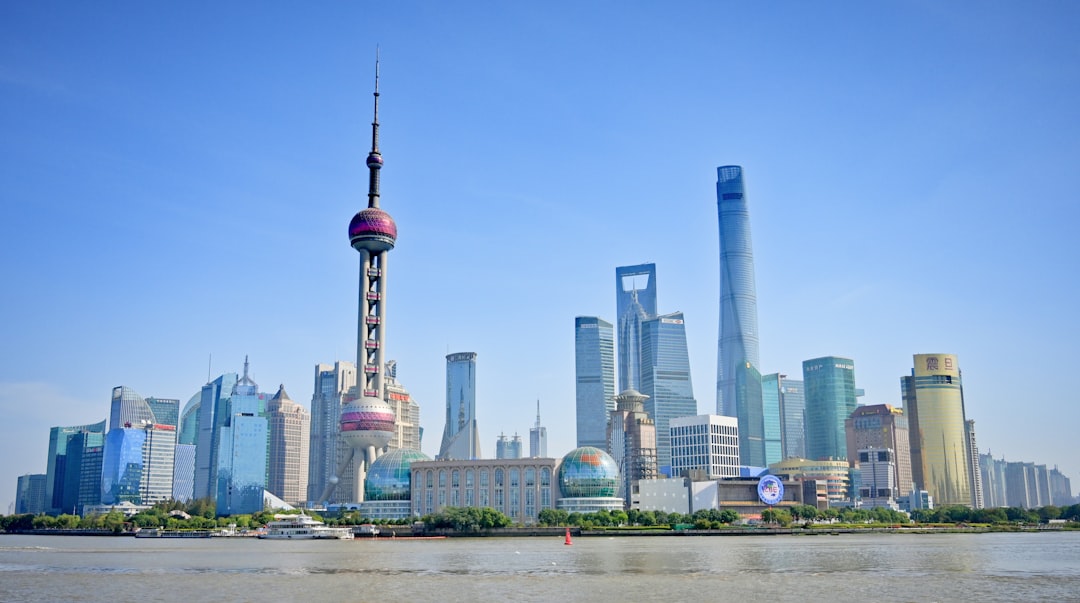
Choosing where to go in China can be one of the hardest decisions for trip planning. The country has hundreds of cities, each with its own character, attractions, and logistics. For first-time visitors with limited time, the question becomes: which cities offer the most worthwhile experiences?
According to Dianping’s 2026 Must-Play List, ten cities stand out for having the highest density of quality attractions: Beijing, Shanghai, Chengdu, Shenzhen, Hangzhou, Chongqing, Xi’an, Guangzhou, Wuhan, and Nanjing. These aren’t just the most popular destinations—they have the highest concentration of user-verified experiences across nightlife, culture, entertainment, and local specialties.
Why These Cities Matter
The top 10 cities share a common advantage: they offer the widest variety of vetted experiences within a single destination. This matters because:
You can experience diverse activities without extensive travel. Beijing combines historical sites with modern entertainment districts. Chengdu offers food culture, panda sanctuaries, and vibrant nightlife. Shanghai mixes colonial architecture with cutting-edge art spaces.
Quality is verified by local users. The Must-Play List rankings reflect real visits and genuine reviews, not paid promotions or outdated guidebook recommendations.
You’ll find English-friendly infrastructure. Major cities have better international services, English signage, and accommodation options suited to foreign travelers.
Transportation is convenient. High-speed rail and frequent flights connect these hubs, making city-hopping practical.
The Top 10 Cities
Beijing
China’s capital offers the most concentrated historical attractions, including the Great Wall, Forbidden City, and Temple of Heaven. Beyond these iconic sites, Beijing features thriving contemporary art districts, traditional hutong neighborhoods, and diverse culinary scenes.
Best for: Historical sites, political landmarks, traditional architecture, and art galleries.
Shanghai

Shanghai represents China’s international face, with the Bund’s colonial architecture contrasting against Pudong’s futuristic skyline. The city excels in shopping, dining, and cultural experiences that blend Chinese and Western influences.
Best for: Urban experiences, shopping, international dining, and architectural diversity.
Chengdu
Famous for pandas and Sichuan cuisine, Chengdu has emerged as one of China’s most relaxed major cities. Its teahouse culture, vibrant nightlife, and proximity to natural attractions make it a favorite among both domestic and international travelers.
Best for: Food culture, pandas, teahouses, and relaxed urban atmosphere.
Shenzhen
China’s tech hub offers a different experience from traditional tourist cities. Shenzhen features modern architecture, theme parks, shopping complexes, and quick access to Hong Kong. It’s particularly appealing for travelers interested in contemporary Chinese urban culture.
Best for: Modern architecture, shopping, tech culture, and Hong Kong proximity.
Hangzhou

Hangzhou’s West Lake has inspired Chinese poets and artists for centuries. The city combines natural beauty with historic temples, tea plantations, and silk production. It’s one of China’s most pleasant cities for walking and cycling.
Best for: Natural scenery, classical Chinese culture, tea culture, and silk.
Chongqing

Chongqing’s unique geography—a mountain city built on hills along the Yangtze River—creates one of China’s most distinctive urban experiences. Famous for its hotpot, spicy cuisine, and dramatic night views, the city offers a different pace from coastal metropolises.
Best for: Spicy food, dramatic cityscapes, river cruises, and nightlife.
Xi’an

Xi’an served as China’s capital for 13 dynasties, leaving behind extraordinary historical sites including the Terracotta Warriors, ancient city walls, and the Muslim Quarter. It’s essential for understanding China’s ancient history.
Best for: Ancient history, archaeology, and cultural diversity.
Guangzhou
China’s trading capital for centuries, Guangzhou offers exceptional Cantonese cuisine, historic neighborhoods, and a unique blend of traditional and modern Chinese culture. Its proximity to Hong Kong makes it a convenient addition to southern China itineraries.
Best for: Cantonese cuisine, trade history, and southern Chinese culture.
Wuhan
Often overlooked by international tourists, Wuhan combines historic sites, modern attractions, and excellent food. Its central location makes it a practical hub for exploring central China, and its East Lake scenic area rivals Hangzhou’s West Lake.
Best for: Central China exploration, lake scenery, and authentic local experiences.
Nanjing
Nanjing’s role as a former capital left behind significant historical sites, including the Ming Xiaoling Tomb and Sun Yat-sen Mausoleum. The city offers a more relaxed alternative to Beijing for experiencing imperial Chinese history.
Best for: Historical sites, tree-lined boulevards, and academic culture.
How to Choose Among Them
With ten strong options, how do you narrow down your itinerary?
For a one-week trip: Choose 2-3 cities based on proximity and your interests. Beijing-Shanghai, Beijing-Xi’an, or Shanghai-Hangzhou are logical combinations connected by high-speed rail.
For a two-week trip: You can comfortably visit 4-5 cities. Consider a route like Beijing-Xi’an-Chengdu-Shanghai, or focus on a region like the Yangtze Delta (Shanghai-Hangzhou-Nanjing-Suzhou).
Based on interests:
- History focus: Beijing, Xi’an, Nanjing
- Urban experiences: Shanghai, Shenzhen, Guangzhou
- Food and culture: Chengdu, Chongqing, Guangzhou
- Natural scenery: Hangzhou, Wuhan
- Comprehensive overview: Beijing, Shanghai, Xi’an, Chengdu
Practical Considerations
Transportation between cities: High-speed rail connects most top 10 cities. Travel times range from 2-6 hours between major hubs. Flights are faster but require more airport time.
Best visiting seasons: Spring (April-May) and autumn (September-October) offer comfortable weather across most cities. Summer can be extremely hot in interior cities like Chongqing and Wuhan. Winter is cold in Beijing and Xi’an but mild in southern cities.
Language support: Beijing, Shanghai, and Shenzhen have the best English-language services. Smaller cities among the top 10 (like Wuhan and Nanjing) may require more translation app usage.
Budget range: Shanghai and Shenzhen are the most expensive. Chengdu, Chongqing, and Wuhan offer better value for accommodation and dining.
Common Mistakes
Trying to visit too many cities. Spending only 1-2 days in each city leaves you exhausted with shallow experiences. Better to see fewer cities in more depth.
Ignoring travel time. China is large. Even high-speed rail takes hours between distant cities. Factor travel time into your planning.
Choosing only famous cities. Some travelers skip excellent options because they’ve never heard of them. Wuhan and Nanjing may lack international fame but offer rich experiences.
Not considering seasonal weather. Visiting Chongqing in August means extreme heat. Xi’an in January means freezing temperatures. Match your timing to each city’s climate.
Overlooking regional combinations. The top 10 cities span different regions. Combining Beijing (north) with Guangzhou (south) in the same trip means dramatic climate changes and long travel distances.
Related Knowledge
High-speed rail: China’s extensive rail network makes city-hopping efficient. Book tickets in advance during peak travel periods.
Domestic flights: Useful for longer distances like Beijing to Chengdu or Shanghai to Xi’an.
City cards and passes: Some cities offer tourist cards that bundle attraction entries and public transport.
Translation apps: Download offline Chinese-English translation packages before you arrive.
Payment: Alipay and WeChat Pay are essential in all major cities. Credit cards are less universally accepted than in Western countries.
The Bottom Line
The top 10 cities on Dianping’s Must-Play List offer the best combination of quality attractions, convenient logistics, and diverse experiences for first-time visitors to China. Rather than spreading yourself thin across dozens of destinations, focus on 2-4 of these cities that match your interests and travel style. The density of vetted experiences in each city means you can have rich, varied trips without constant travel between destinations.
Choose based on what you want to experience—history in Beijing and Xi’an, modern urban culture in Shanghai and Shenzhen, food and relaxation in Chengdu, or natural beauty in Hangzhou. Each city has enough quality attractions to fill several days, and the high-speed rail network makes combining multiple cities practical for longer trips.
Final words
More reading and next steps
That is the main thread of the article. Keep the links below handy, and use the related posts to continue exploring the same topic from a different angle.
Comments