How Chinese Nightlife Differs from Western Bar Culture
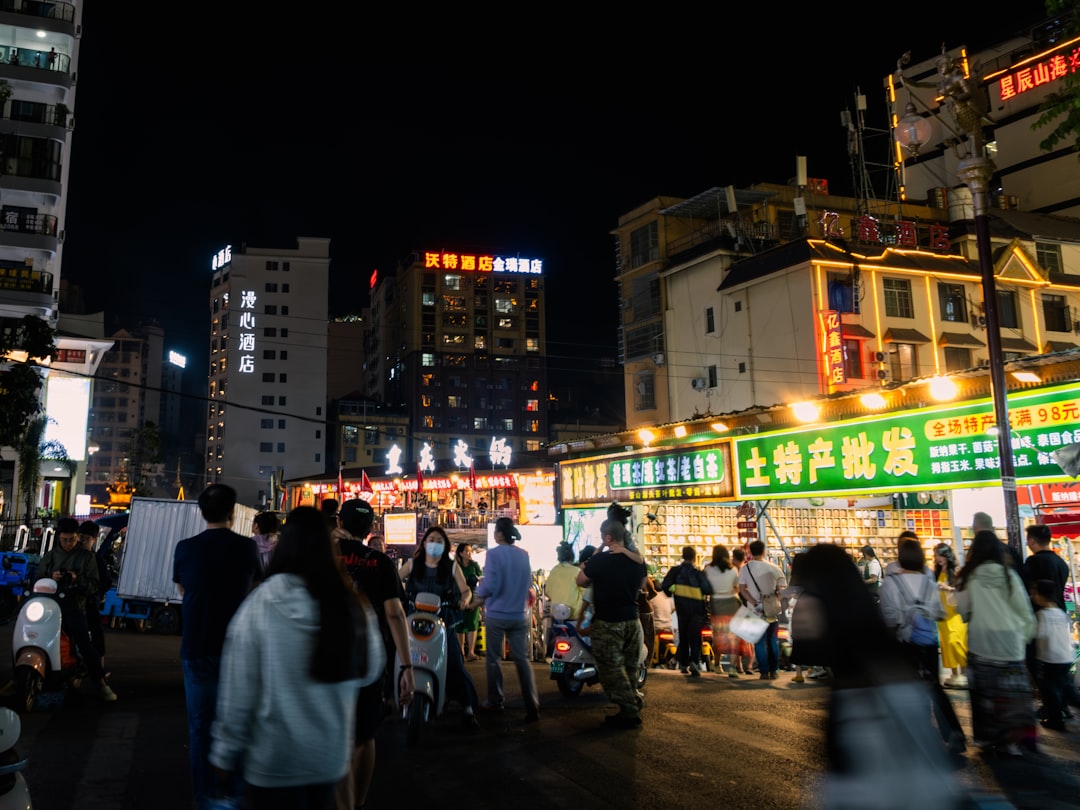
Chinese nightlife is broader than Western bar culture. While bars and clubs exist, most Chinese socialize through food-centered activities: late-night street stalls called yexiao, hotpot dinners, private-room karaoke called KTV, night markets, and casual hanging out in public spaces. Families, kids, and teens are commonly out past 10 PM, not just adults drinking.
What Western Nightlife Usually Means
When travelers from Western countries talk about nightlife, they often mean bars and clubs. That definition assumes alcohol, music, dancing, and an adult-only crowd. Bars in Western cities are typically places where adults gather to drink and socialize, sometimes with live music or DJs.
If you go looking for that scene in China, you might feel disappointed. Cocktail bars and craft beer bars exist, but many are quieter and less rowdy than Western equivalents. Some foreigners describe them as too low-key for a social night out.
What Chinese Nightlife Actually Includes
Chinese nightlife centers on activities that are not necessarily about alcohol:
- Hotpot dinners where groups cook together at shared tables
- KTV private-room karaoke where friends sing and drink in a closed space
- Yexiao late-night food stalls where people eat skewers and noodles together
- Night markets where families shop and eat
- Billiards, darts, card games, and board games at social venues
- Badminton, basketball, and other sports at public courts
- Movie screenings in malls and independent theaters
- Cafes and dessert shops open late for groups to chat

This range means Chinese nightlife is age-inclusive. You see teenagers playing basketball at 8 PM, families eating at street stalls at 10 PM, and colleagues heading to KTV after dinner. The scene is not restricted to adults drinking alcohol.
How Bars in China Differ from Western Bars
Bars in China do exist. In major cities, you can find cocktail bars, craft beer bars, and some dance clubs. But the atmosphere is often different.
Cocktail bars tend to be quiet and focused on drink quality rather than social energy. Craft beer bars may attract expats and beer enthusiasts, but the vibe can feel more like a tasting room than a party venue.
Clubs exist but are concentrated in specific districts rather than spread across neighborhoods. Large cities have designated nightlife zones, while smaller cities may have fewer options.
If you expect the loud, crowded bar scene you know from Western cities, you might not find it easily. The real Chinese social nightlife often happens elsewhere.
Why KTV Replaces the Bar as Social Center
KTV rooms serve the social function that bars do in Western culture. You go with friends, drink alcohol or soft drinks, and spend hours together. The room is private, so you control the music, the singing, and the conversation.
Unlike a bar where strangers surround you, KTV isolates your group. That changes the dynamic. You are there to bond with your friends, not to meet new people or watch a crowd.
For foreign travelers, KTV can feel awkward at first because singing in front of friends is different from drinking at a bar. But once you join a session and see how the room functions, the parallel becomes clearer: this is where Chinese colleagues and friends socialize after work or dinner.
How Yexiao Extends Evenings Beyond Bars
Yexiao is another key piece. After KTV, after a movie, or after late work hours, a group often heads to a street stall to eat and drink. The eating continues the socializing without requiring a bar.
This ritual explains why Chinese streets stay busy past midnight. People are out eating together, not standing around drinking. The food itself is part of the event, not just a side snack.
For travelers, yexiao offers an alternative to bars. You can join a street stall, order skewers and beer, and sit with locals. No reservation, no dress code, no bar door policy.
The Age-Inclusive Difference
In Western nightlife, you typically see adults only. Bars and clubs often have age restrictions, and children are not part of the scene.
In Chinese nightlife, the age range is much wider. At 10 PM, you can see:
- Parents with young children at night markets
- Teenagers hanging out near shopping plazas
- Elderly residents walking in illuminated parks
- College students eating skewers at shared tables
This diversity signals that the evening activity is normal life, not an adults-only event. If you come from a country where night streets feel risky or empty, seeing families out changes your perception.
Practical Advice for Foreigners
If you want to experience Chinese nightlife:
- Do not limit your search to bars and clubs
- Ask local friends or hotel staff where people go after dinner
- Try KTV if invited, even if you do not sing well
- Visit a night market or yexiao stall after 9 PM
- Look for busy streets with food stalls and crowds
If you insist on Western-style bars, ask for expat-friendly districts in major cities. But understand that the local nightlife definition includes much more than alcohol-focused venues.
Final words
More reading and next steps
That is the main thread of the article. Keep the links below handy, and use the related posts to continue exploring the same topic from a different angle.
Comments