What to See Near Leshan Giant Buddha: Mount Emei and Beyond
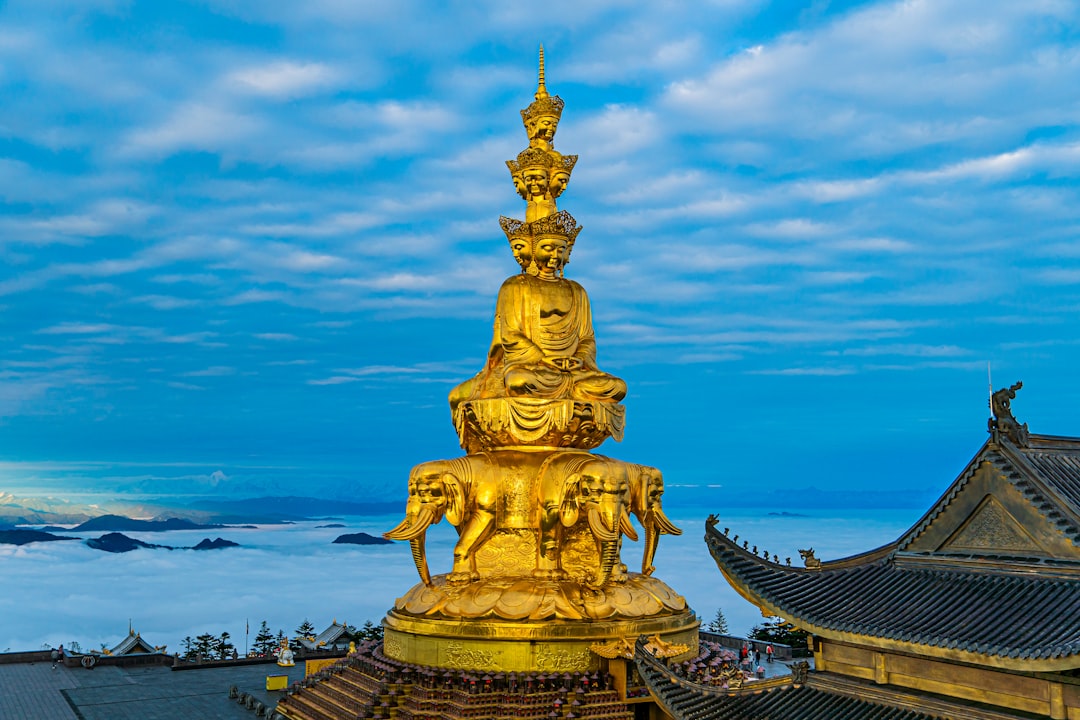
Inside the scenic area, you can visit Lingyun Temple above the Buddha’s head, Wuyou Temple across the river with terracotta arhats, and the Giant Sleeping Buddha natural formation. The most popular combination is Mount Emei, one of China’s Four Sacred Buddhist Mountains, located approximately 30 minutes from Leshan by bus. A two-day trip covering both Leshan and Mount Emei is the recommended approach.

Inside the Leshan Scenic Area
Beyond the Giant Buddha itself, the scenic area contains several worthwhile attractions:
Lingyun Temple:
- Location: Above the Buddha’s head
- Features: Active Buddhist temple with Haishi Cave containing Tang Dynasty carvings of monk Haitong
- Significance: Where the Buddha project began under monk Haitong’s direction
Wuyou Temple:
- Location: Across the river from the main Buddha area
- Features: Houses approximately 1,000 terracotta arhats with unique expressions
- Atmosphere: Quieter and more contemplative than the main viewing areas
Giant Sleeping Buddha:
- A natural hillside formation resembling a reclining Buddha
- Visible from certain angles within the scenic area
- Adds an unexpected natural formation to the cultural sites
Cliff-side Tombs:
- Han Dynasty cave tombs predating the Buddha
- Historical context from centuries before the statue was carved
A Reddit traveler confirmed visiting the full park and noted that the sculptures inside caves were beautiful, showing the scenic area contains worthwhile additional content beyond the main Buddha viewing.
Mount Emei: The Best Combination
Mount Emei is approximately 30 minutes from Leshan by bus, making it the most natural extension for a multi-day trip.
What Mount Emei Offers:
- One of China’s Four Sacred Buddhist Mountains
- Hiking trails ranging from moderate to challenging
- Ancient temples throughout the mountain
- Golden Summit with a 48-meter golden Buddha statue
- Sea of clouds often visible at the summit (weather dependent)
UNESCO Connection: Mount Emei and Leshan Giant Buddha share one UNESCO World Heritage designation, recognized together as a combined cultural and natural heritage site.
How to Plan a Two-Day Trip
Day 1: Leshan Giant Buddha
- Morning: High-speed train from Chengdu to Leshan
- Visit: Nine Bends Stairway, temples, boat tour if time permits
- Evening: Travel to Mount Emei base (about 30 minutes by bus) or return to nearby lodging
Day 2: Mount Emei
- Morning: Begin ascent (options include bus to mid-mountain, cable car to summit, or full hike)
- Explore: Temples along the route, Golden Summit
- Afternoon: Descend and return to Chengdu
This approach lets you experience both UNESCO sites without rushing either one.
Transportation Between Leshan and Mount Emei
- By Bus: approximately 30 minutes, connects the two sites regularly
- By Taxi: about 30 minutes, convenient for direct transfer
- From Chengdu: You can also visit Mount Emei directly from Chengdu (about 2 hours by train/bus) without stopping at Leshan first
Related Buddhist Sites in China
If you are planning a Buddhist heritage tour beyond Leshan and Mount Emei, consider:
- Longmen Grottoes (Luoyang) - Cave carvings similar in concept to Leshan
- Dunhuang Grottoes - Ancient Buddhist cave art in northwest China
- Yungang Grottoes (Datong) - Another major Buddhist cave carving site
A Reddit commenter recommended these as related sites after visiting Leshan, suggesting they appeal to travelers interested in Buddhist heritage.
Summary
The Leshan area offers more than just the Buddha statue. Lingyun Temple, Wuyou Temple, and cliff tombs provide cultural depth within the same ticket. Mount Emei, approximately 30 minutes away, adds hiking, ancient temples, and summit views. A two-day trip covering both sites creates a richer Sichuan travel experience without adding much travel time. The shared UNESCO World Heritage status confirms their combined significance.
Final words
More reading and next steps
That is the main thread of the article. Keep the links below handy, and use the related posts to continue exploring the same topic from a different angle.
Comments