How to Book and Ride China's High-Speed Trains (CRH) as a Foreign Visitor
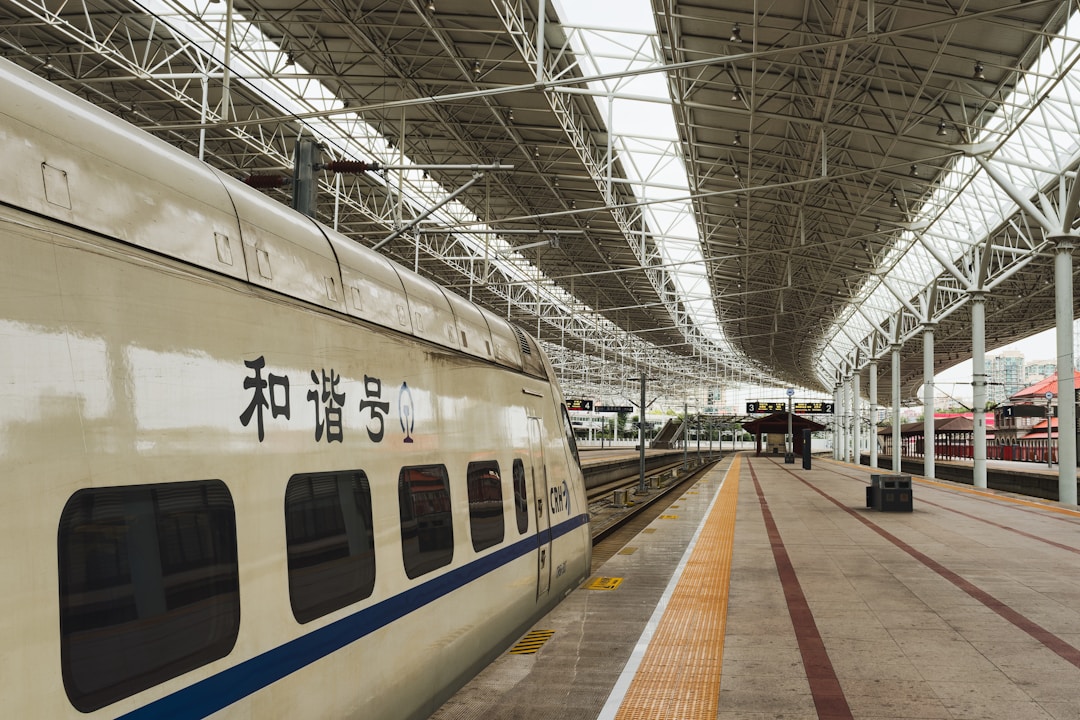
China’s high-speed rail network (CRH) connects major cities with fast, comfortable service. For foreign visitors, it offers a practical alternative to domestic flights: shorter travel times, city-center stations, and a chance to experience modern Chinese infrastructure. This guide explains how to book tickets, navigate stations, and board trains using a foreign passport.
Why High-Speed Train Makes Sense in China
China’s CRH network is one of the world’s largest and fastest. G-series trains reach speeds up to 350 km/h (217 mph) on major routes. Travel between Beijing and Shanghai takes about 4-5 hours by high-speed train, comparable to flight time when you include airport procedures.
Advantages over flying:
- City-center stations instead of distant airports
- No baggage weight limits like airlines (though size restrictions exist)
- More comfortable seating with legroom
- No security screening as intensive as airports
- Less sensitive to weather delays
- Window views of the countryside
For multi-city trips, high-speed trains let you move efficiently between destinations without the airport overhead.
Booking Options for Foreign Visitors
Foreign travelers can book CRH tickets through several methods:
Official 12306 Website
The official China Railway booking platform is 12306.cn. This site offers the full inventory of train tickets at official prices.
However, booking on 12306 directly can be challenging for foreign visitors:
- Registration requires a Chinese phone number for verification
- The interface may not be fully available in English
- Payment methods may not include international cards
If you have a Chinese phone number and can navigate the site, 12306 offers the most direct booking path. Many foreign travelers instead use third-party platforms.
Third-Party Booking Platforms
Several platforms offer English interfaces and international payment support:
- Trip.com (formerly Ctrip)
- China Highlights
- Other travel booking sites
These platforms add a service fee on top of ticket prices but provide:
- English-language booking interfaces
- Support for international credit cards
- Customer service in English
- Easier passport-based booking
Third-party platforms are the practical choice for most foreign visitors who don’t have Chinese phone numbers.
Station Ticket Counters
You can purchase tickets directly at railway station counters. Bring your passport to the ticket window. Staff can issue paper tickets for your journey.
Station booking works when:
- You don’t have advance bookings
- You need last-minute tickets for a nearby journey
- You prefer face-to-face assistance
Station counters may have queues during peak times. Arrive early if you plan to buy at the window.
Booking Window
Tickets typically become available 15-30 days before departure, depending on the route and season. Peak travel periods like Chinese holidays see tickets sell out quickly. Book as early as possible for popular routes and travel dates.
Ticket Types and Seat Classes
CRH trains offer several seat classes:
Second Class
The standard seating option. Second-class cars have 3+2 seat arrangements with reasonable legroom. Seats are comfortable for most travelers. This is the most economical choice.
First Class
First-class cars have 2+2 seating with wider seats and more legroom. The price difference from second class is moderate. First class is worthwhile for longer journeys or travelers who prefer extra space.
Business Class
Available on some G-series trains. Business class offers the widest seats, premium amenities, and sometimes complimentary meals. The price premium is significant. Choose business class for premium comfort or work needs.
Standing Tickets
On some routes, standing tickets are sold when seats are fully booked. You occupy any unreserved seat or stand in designated areas. Standing tickets cost less than seated tickets but are not comfortable for long journeys.
Train Types: G, D, and C
Chinese train designations indicate speed category:
- G-series: Fastest high-speed trains, speeds up to 350 km/h
- D-series: High-speed trains, typically 200-250 km/h
- C-series: Intercity trains for shorter regional routes
G-trains cover major intercity routes like Beijing-Shanghai, Beijing-Guangzhou, and Shanghai-Nanjing. D-trains serve medium-distance routes. C-trains operate between nearby cities.
For long-distance travel, prioritize G-series for the fastest journey time.
Station Procedures for Foreign Passport Holders
High-speed train stations operate differently from airports. Here’s what to expect:
Ticket Pickup for Online Bookings
If you book online using a foreign passport, you typically need to collect paper tickets at the station. E-tickets linked to Chinese ID cards work differently; foreign passport bookings usually require physical ticket pickup.
Ticket pickup locations:
- Station ticket counters with passport
- Self-service ticket machines (some accept passports, but reliability varies)
Bring your booking confirmation number and passport. Collect tickets before your travel date if possible, or arrive at the station 60-90 minutes early to allow pickup time.
Station Entry and Check-In
High-speed train stations do not have airport-style security intensity. You enter the station through security gates where staff check tickets and perform baggage scanning. The process is faster than airport security.
After entering:
- Find your departure hall and waiting area
- Check the electronic displays for your train’s platform number
- Proceed to the platform when boarding opens (typically 15-20 minutes before departure)
Boarding and Finding Your Seat
Platforms have clear markings for train car numbers. Find your car and enter when the train arrives. Your ticket shows seat number and car number.
Boarding procedures:
- Staff may check tickets at platform entry
- Find your car number along the platform
- Enter the car and locate your assigned seat
- Place luggage in overhead racks or end-of-car storage
Passport Verification
Keep your passport accessible throughout the journey. Station staff or train personnel may request passport verification during boarding or ticket checks. Do not store your passport deep in checked luggage.
Timing and Arrival at Stations
High-speed trains depart precisely on schedule. Missed trains mean lost tickets.
Recommended arrival times:
- 60-90 minutes early if you need to pick up tickets
- 30-45 minutes early if you have tickets in hand
- More time during peak travel periods
Station signage typically displays in both Chinese and English. Electronic boards show train schedules and platform assignments.
Baggage on High-Speed Trains
High-speed trains do not have checked baggage like airlines. You carry your luggage onto the train. Storage options:
- Overhead racks above seats (similar to aircraft)
- Luggage racks at the end of each car
- Space behind the last row of seats in some cars
Size limits exist but enforcement varies. Large suitcases may be challenged if they exceed reasonable dimensions. Pack as you would for airline carry-on, with flexibility for slightly larger items.
Refunds and Changes
Ticket change and refund policies depend on timing:
- Changes allowed with fees before departure
- Refunds permitted with penalties; fees increase closer to departure
- Missed trains typically forfeit the ticket value
If your plans may change, review the refund policy before booking. Third-party platforms may have their own change procedures separate from railway policies.
Food and Amenities
CRH trains offer:
- Food service from attendants (snacks, drinks, simple meals)
- Dining car on some longer routes
- Power outlets at seats (check availability by train type)
- WiFi on some trains (availability and quality vary)
Bring your own food if you prefer specific items. Train meals are basic and prices moderate.
Common Mistakes
Avoid these errors when using CRH trains:
Booking Too Late
Popular routes sell out during holidays and weekends. Book early for guaranteed seats.
Wrong Station
Some cities have multiple railway stations. Beijing has Beijing South, Beijing West, and others. Shanghai has Shanghai Hongqiao and Shanghai Railway Station. Check which station your train departs from.
Missing ID Requirement
Foreign passport bookings require passport for ticket pickup and boarding. Without your passport, you cannot collect tickets or board.
Arriving Too Late
High-speed trains leave on schedule. Late arrival means missed departure.
Confusing Train Numbers
G-trains, D-trains, and C-trains have different speeds and routes. Confirm you booked the correct train type for your journey time needs.
Summary Checklist
Before your CRH journey:
- Book tickets early through 12306.cn or third-party platform
- Confirm departure station location in your city
- Bring passport for ticket pickup and boarding
- Collect paper tickets at station if required
- Arrive 30-90 minutes early depending on ticket status
- Check platform number on electronic displays
- Board the correct car and find your assigned seat
- Keep passport accessible throughout journey
- Pack luggage for train carry-on (no checked bags)
China’s high-speed trains make intercity travel efficient and comfortable. With proper planning, foreign visitors can navigate the system smoothly and reach destinations faster than flying.
Final words
More reading and next steps
That is the main thread of the article. Keep the links below handy, and use the related posts to continue exploring the same topic from a different angle.
Comments