How to Exchange Foreign Currency in China as a Foreign Visitor
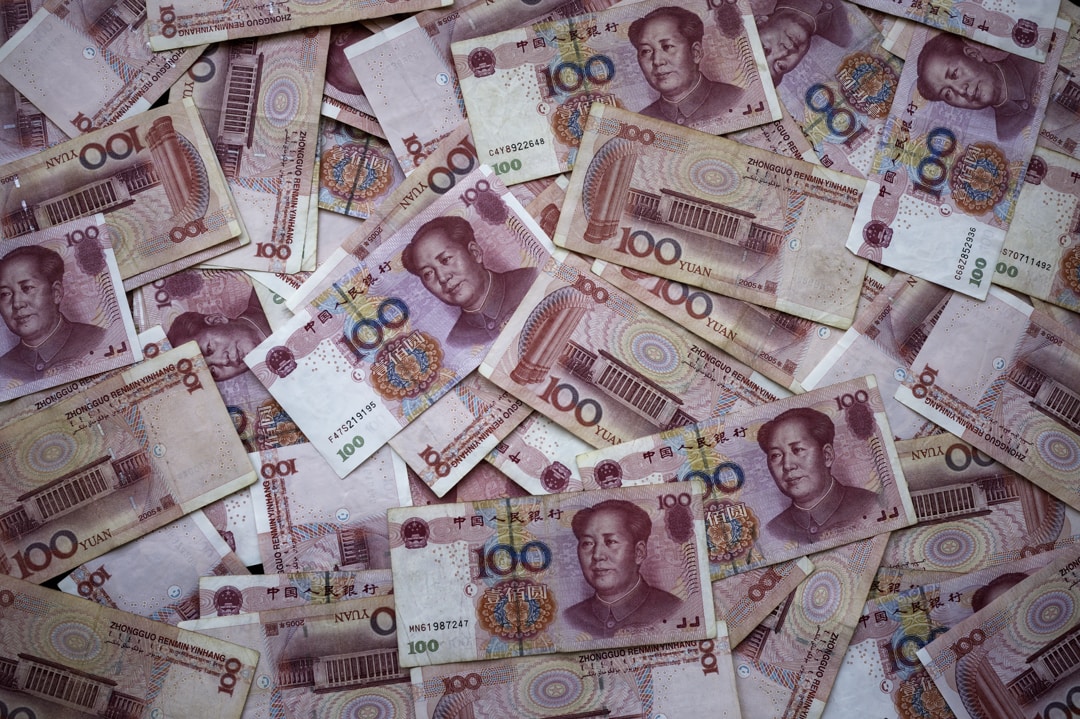
Foreign visitors arriving in China need Chinese Yuan (RMB) for everyday expenses. While mobile payments dominate local commerce, cash remains useful for smaller vendors, transportation, and situations where cards don’t work. This guide explains where to exchange currency, what to expect at different venues, and how to prepare for China’s payment landscape.
Where Can You Exchange Currency?
Foreign visitors can exchange foreign currency for RMB at three main types of locations:
- Banks (best rates, requires paperwork)
- Airport currency exchange counters (convenient, higher fees)
- Authorized hotel exchange desks (limited availability)
Each option has trade-offs. Banks offer the most favorable exchange rates but require more time and documentation. Airport counters provide immediate service at arrival but typically charge higher fees. Hotels may offer exchange but often have limited hours and rates comparable to airports.
Why Currency Exchange Matters in China
China’s payment ecosystem differs significantly from many countries. Credit cards are not widely accepted outside major hotels and international chains. Local businesses overwhelmingly use mobile payments via Alipay and WeChat Pay, or cash.
If you arrive without Chinese Yuan, you may struggle to:
- Pay for taxi rides from the airport
- Purchase food at local restaurants
- Buy tickets at subway stations
- Shop at markets and smaller stores
Getting RMB upon arrival helps you navigate the first hours of your trip before you set up mobile payment apps or locate card-friendly venues.
Exchanging at Banks: Best Rates
Bank branches offer the official exchange rate with minimal markup. Major banks like Bank of China, ICBC, and China Construction Bank handle foreign currency exchange.
What You Need
To exchange at a bank branch:
- Valid passport
- Foreign currency in cash (major currencies accepted)
- Patience for the paperwork process
Bank staff must record your personal information and complete exchange forms. The process typically takes 15-30 minutes depending on the branch and queue.
Accepted Currencies
Major currencies are widely accepted at banks:
- US Dollar (USD)
- Euro (EUR)
- British Pound (GBP)
- Japanese Yen (JPY)
- Australian Dollar (AUD)
Other currencies may be accepted at specific branches. Call ahead or check bank websites if you carry a less common currency.
Bank Hours
Bank branches operate during standard business hours, typically 9:00 AM to 5:00 PM on weekdays. Some branches open on weekends but hours vary. Airport bank counters may operate longer hours aligned with flight schedules.
Pros and Cons of Bank Exchange
Pros:
- Best exchange rates (closest to official rate)
- Reliable and regulated institutions
- Clear documentation and receipts
Cons:
- Requires passport and paperwork
- Limited to business hours
- Longer processing time
- Queue waiting at busy branches
Exchanging at Airport Counters: Convenience First
Currency exchange counters at international airports operate throughout the day. Beijing Capital Airport, Shanghai Pudong, and other major hubs have multiple exchange desks in arrival halls.
Rates and Fees
Airport counters typically charge higher fees than banks. The exchange rate markup can range from 3-10% above the official rate. The convenience premium is real: you pay more for immediate service without paperwork complexity.
When Airport Exchange Makes Sense
Use airport counters when:
- You need cash immediately upon arrival
- You arrive outside bank business hours
- You need a small amount for taxi or initial expenses
- You prefer to avoid paperwork at a bank branch
Trade Larger Amounts Later
Consider exchanging a modest amount at the airport for immediate needs, then visiting a bank later for larger exchanges at better rates. This hybrid approach balances convenience and cost.
Exchanging at Hotels: Limited Option
Some hotels, particularly international chains and higher-end properties, offer currency exchange at front desks. The service is convenient if you stay at such a hotel, but the availability is limited.
Hotel exchange rates often resemble airport rates rather than bank rates. The markup compensates for the convenience. Check with your hotel before assuming exchange is available.
Required Documents for Exchange
Every legitimate currency exchange in China requires identification. Foreign visitors must present:
- A valid passport with entry stamp
Without your passport, banks and counters cannot process the exchange. Keep your passport accessible when you plan to exchange currency.
You also receive documentation after the exchange:
- Exchange receipt showing amount and rate
- Record of the transaction
Keep these receipts. You may need them if you want to exchange RMB back to foreign currency when departing China.
ATM Access for Foreign Cards
Many ATMs in China accept foreign cards, but compatibility varies. ATMs at major banks and airports typically accept international cards from Visa, Mastercard, and other major networks.
However:
- Not every ATM accepts foreign cards
- Some ATMs only accept Chinese bank cards
- Withdrawal limits may be lower than domestic cards
- Fees vary by bank and your home bank’s policies
ATM withdrawal can supplement currency exchange, but don’t rely solely on ATMs. Test your card at one ATM upon arrival and have backup exchange options.
Mobile Payment Alternative
Alipay and WeChat Pay dominate everyday payments in China. Foreign visitors can now link international credit cards to these apps. This approach reduces the need for large cash amounts.
Setting up mobile payment requires:
- Downloading Alipay or WeChat
- Linking a supported international card
- Completing identity verification
Mobile payment works at most vendors including restaurants, stores, and transportation. However, some smaller vendors and rural areas may still prefer cash. Carry a modest RMB reserve even after setting up mobile payment.
Tips for Currency Exchange in China
To exchange efficiently:
- Exchange a small amount at arrival for immediate needs
- Visit a bank branch for larger amounts at better rates
- Carry your passport whenever you plan to exchange
- Keep exchange receipts for possible reconversion
- Check bank hours before visiting downtown branches
- Test ATM compatibility before relying on withdrawals
- Set up Alipay or WeChat Pay as a complement to cash
Common Mistakes
Avoid these errors when exchanging currency:
Exchanging Too Much
You may not need large RMB amounts if you use mobile payment for most transactions. Over-exchanging leaves you with unused RMB when departing.
Not Keeping Receipts
Without receipts, reconverting RMB to foreign currency at departure may be difficult or denied. Keep your paperwork.
Assuming Cards Work Everywhere
Credit cards are not widely accepted. Do not assume you can pay for meals, taxis, or shopping with international cards.
Exchanging Only at Airport
Airport rates are less favorable. Exchange modest amounts there and use banks for larger transactions.
Summary
Foreign visitors in China need RMB for cash payments. Banks offer the best rates with passport-based paperwork. Airport counters provide convenient but more expensive exchange. Hotels may offer limited services.
The practical approach: exchange a small amount at arrival, then visit a bank for better rates on larger amounts. Keep receipts, carry your passport, and consider setting up mobile payment apps to reduce cash reliance.
Final words
More reading and next steps
That is the main thread of the article. Keep the links below handy, and use the related posts to continue exploring the same topic from a different angle.
Comments