Best China Routes by Travel Style: Which Itinerary Matches Your Interests for 2026
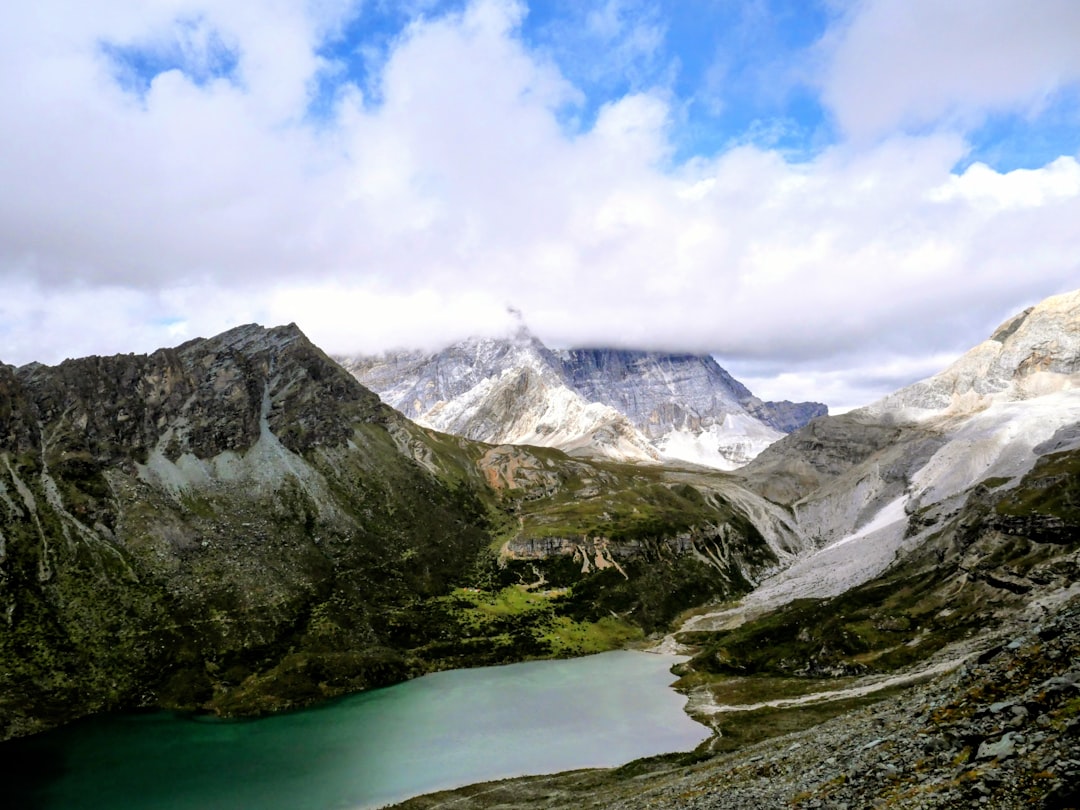
Match China routes to your primary interest: Culture/history lovers take Route 1 or Route 3. Nature/photographers choose Route 2, Route 4, or Route 5. Traditional charm seekers go for Route 6. Beach/tropical seekers head to Route 9. Spiritual/high-altitude seekers brave Route 10. Physical fitness, budget, and time refine the final choice.
The Direct Answer
| Travel Style | Best Route(s) | Key Appeal | Days | Notes |
|---|---|---|---|---|
| Culture/History first-timer | Route 1 (Cultural Triangle) | Imperial history + modern contrast | 8-10 | Iconic landmarks, easy rail access |
| Deep history + adventure | Route 3 (Silk Road) | Buddhist art, desert, Silk Road heritage | 10-12 | More remote, longer transit |
| Nature + Wildlife | Route 2 (Pandas & Peaks) | Pandas, alpine lakes, mountain scenery | 7-9 | Jiuzhaigou requires hiking days |
| Classic Landscapes (photographers) | Route 5 (Guilin Karst) | Iconic karst hills, river, terraces | 5-7 | Shorter, easier, highly photogenic |
| Ethnic Diversity + Climate | Route 4 (Yunnan) | Minority cultures, varied landscapes, mild weather | 9-11 | Year-round, cultural immersion |
| Traditional Charm + Gardens | Route 6 (Jiangnan) | Classical gardens, water towns, tea culture | 5-6 | Elegant, relaxed, highly accessible |
| Urban Contrast + Canyon | Route 7 (Chongqing Circuit) | Sci-fi city + natural karst bridges + pandas | 6-8 | High variety, requires coordination |
| Relaxed River Journey | Route 8 (Yangtze Cruise) | Three Gorges scenery, cruise comfort, cultural stops | 6-7 | Slow pace, minimal physical demands |
| Beach/Tropical Relaxation | Route 9 (Hainan Island) | Beaches, surfing, tropical gardens | 7-9 | No altitude, family-friendly, winter escape |
| Spiritual + High Altitude | Route 10 (Tibet) | Pilgrimage sites, Everest access, meditative journey | 8-10 | Permit required, altitude preparation essential |
Why Style Matching Matters
Choosing a route that mismatches your interests leads to disappointment. A beach seeker on the Silk Road (Route 3) will face desert heat, long transit, and no coastline. A photographer wanting alpine colors on Route 1 will miss Jiuzhaigou’s unique palette. Style matching ensures the trip delivers what you came for.
Culture and History Lovers
Route 1: Cultural Golden Triangle (First-Time History Enthusiasts)

Route 1 delivers the essential China experience: Beijing (Forbidden City, Great Wall, Temple of Heaven), Xi’an (Terracotta Warriors, ancient city wall), and Shanghai (Bund skyline, traditional neighborhoods).
Who fits:
- First-time visitors seeking balanced introduction
- History enthusiasts wanting imperial landmarks
- Architecture lovers exploring ancient and modern contrasts
- Travelers prioritizing iconic sights over hidden gems
Why Route 1 works: High-speed rail connects all three cities. No special permits. Comfortable tier balances value and convenience. This route answers the question “What is China?” in one trip.
Route 3: Silk Road Heritage (Deep History + Adventure)

Route 3 traces the ancient Silk Road: Xi’an, Zhangye (rainbow mountains), Dunhuang (Mogao Caves), and Urumqi. This route offers Buddhist art, desert mystique, and cultural diversity.
Who fits:
- History lovers wanting Buddhist art and Silk Road heritage
- Photographers seeking desert landscapes and unique light
- Explorers comfortable with long transit segments
- Travelers craving cultural diversity beyond Han-majority regions
Why Route 3 works: Mogao Caves alone justify the trip—1,000+ years of murals preserved in desert caves. Zhangye’s rainbow mountains add geological wonder. But this route requires patience for logistics.
Physical considerations: Desert climate, long transit, no altitude extremes.
Nature and Photographers
Route 2: Pandas & Peaks (Wildlife + Alpine Scenery)

Route 2 covers Chengdu (panda base), Jiuzhaigou (alpine lakes), and Dujiangyan (ancient irrigation). The panda encounter and UNESCO-listed Jiuzhaigou colors make this route unique.
Who fits:
- Wildlife enthusiasts wanting panda encounter
- Photographers seeking unique alpine colors
- Nature lovers comfortable with moderate hiking
- Travelers wanting relaxed pace with dramatic scenery
Physical considerations: Jiuzhaigou at 2,000-3,000m requires altitude awareness. Park trails involve moderate hiking. Budget 3-4 days in Jiuzhaigou for full experience.
Route 2 vs Route 5 for photographers: Route 2 offers unique alpine colors and dramatic mountain scenery requiring more hiking days. Route 5 (Guilin) offers iconic karst hills—classic Chinese landscape icons in shorter, easier format. Choose Route 2 for unique colors, Route 5 for accessibility and recognized icons.
Route 5: Guilin Karst (Classic Landscapes, Easy Access)
Route 5 covers Guilin, Yangshuo, and Longji Terraces. The karst hills along Li River define classic Chinese landscape painting.
Who fits:
- Photographers seeking iconic Chinese landscape icons
- All ages and fitness levels (short, easy)
- Travelers wanting shorter trips (5-7 days)
- Budget-conscious visitors (¥5,000-15,000 range)
Physical considerations: Guilin at ~150m. Light to moderate hiking optional at terraced fields. Very accessible.
Route 4: Yunnan Exploration (Ethnic Diversity + Year-Round Nature)
Route 4 covers Kunming, Dali, Lijiang, and Xishuangbanna. Yunnan offers 25+ ethnic minority groups and varied landscapes with mild weather.
Who fits:
- Cultural immersion seekers wanting ethnic diversity
- Nature lovers preferring mild climate year-round
- Travelers seeking alternative natural charm
- Those avoiding extreme heat or cold
Physical considerations: Kunming ~1,900m, Lijiang ~2,400m. Light to moderate hiking in scenic areas.
Traditional Charm Seekers
Route 6: Jiangnan Water Towns (Elegant, Relaxed)

Route 6 covers Suzhou (UNESCO classical gardens), Hangzhou (West Lake), and Wuzhen (preserved water town). This route delivers traditional elegance.
Who fits:
- Travelers who appreciate tradition and elegance
- Garden enthusiasts
- Those wanting immersive cultural beauty
- Visitors preferring relaxed pace with minimal physical demands
Physical considerations: Low altitude (10-50m). Light urban and garden walking. Very accessible.
Why Route 6 works: Classical gardens in Suzhou rival any garden in the world. West Lake’s poetic scenery appears in Chinese literature for centuries. Wuzhen’s canal-side architecture feels like stepping back in time.
Urban Contrast Enthusiasts
Route 7: Mountain City Circuit (Sci-Fi + Canyon)
Route 7 covers Chongqing (Hongya Cave night lights, monorail through buildings), Wulong (Three Natural Bridges), and Chengdu (pandas). This route offers high variety.
Who fits:
- Active families seeking novelty and contrast
- Travelers craving visual spectacle
- Urban enthusiasts wanting modern Chinese skyline
- Canyon hiking lovers
Physical considerations: Wulong canyon walking involves stairs and moderate hiking. Some coordination needed for logistics between urban and nature segments.
Why Route 7 works: Chongqing’s skyline at night resembles a sci-fi movie. Wulong’s Three Natural Bridges add UNESCO geology. Chengdu’s pandas round out the variety. This route packs contrast into 6-8 days.
Relaxed Travelers
Route 8: Yangtze Cruise (River Journey, Minimal Effort)
Route 8 offers Three Gorges scenery from cruise comfort. Cultural stops at temples and villages break the river journey.
Who fits:
- Slow-life travelers
- Cultural explorers preferring river-based journeys
- Those wanting minimal walking
- Multi-generational groups avoiding physical demands
Physical considerations: Cruise-based, minimal physical demands. Shore excursions involve light walking.
Route 9: Hainan Island (Beach, Tropical, No Complexity)
Route 9 covers Haikou, Sanya, and Wanning. Hainan is China’s tropical island with beaches, surfing, and gardens.
Who fits:
- Beach seekers
- Family relaxation groups
- Winter vacationers escaping northern cold
- Multi-generational groups avoiding altitude and complexity
Physical considerations: Sea level. Light beach activities and optional surfing. Very accessible.
Why Route 9 works: China’s Bali without passport stamp for most travelers. No altitude, minimal logistics, family-friendly. Perfect for winter escape from northern cold.
Spiritual and High-Altitude Seekers
Route 10: Tibet Pilgrimage (Meditative, Awe-Inspiring)
Route 10 covers Lhasa (Potala Palace, Jokhang Temple), Nyingchi, and Shigatse with Everest Base Camp access.
Who fits:
- Spiritual seekers
- Mountain lovers
- Physically fit travelers comfortable with altitude
- Those willing to handle permit logistics
Important: Tibet requires travel permits. Lhasa at 3,650m, Everest Base Camp at 5,200m. Budget 2-3 days in Lhasa for altitude acclimation before higher segments. Premium costs (¥10,000-40,000+) due to permit complexity and accommodation scarcity.
Why Route 10 works: Potala Palace and Jokhang Temple pilgrimage circuits deliver spiritual depth. High-altitude lakes and Everest access create awe-inspiring moments. This route is not for casual tourists—it demands preparation, flexibility, and health readiness.
Physical Considerations Summary
| Route | Altitude | Hiking Intensity | Accessibility |
|---|---|---|---|
| 1 | Low (50-400m) | Light (urban walking) | Highly accessible |
| 2 | Moderate (2,000-3,000m) | Moderate (park trails) | Some altitude awareness |
| 3 | Varies (400-1,500m) | Light-Moderate | Desert climate, long transit |
| 4 | Moderate (1,900-2,400m) | Light-Moderate | Some altitude in northern Yunnan |
| 5 | Low (~150m) | Light-Moderate (optional) | Very accessible |
| 6 | Low (10-50m) | Light | Very accessible |
| 7 | Low-Moderate (250-600m) | Moderate (canyon walking) | Some stairs/hiking |
| 8 | Low (river level) | Light (shore excursions) | Very accessible |
| 9 | Low (sea level) | Light (beach, optional surfing) | Very accessible |
| 10 | High (3,650-5,200m) | Light-Moderate (altitude affects effort) | Permit required, acclimation essential |
Decision Checklist
Before choosing your route, answer these:
-
What’s your primary interest? History → Route 1 or 3. Nature → Route 2, 4, or 5. Beach → Route 9. Spirituality → Route 10.
-
How many days? 5-7 → Route 5, 6, 8, or 9. 8-10 → Route 1, 2, 7, or 10. 10+ → Route 3 or 4.
-
Budget tier? Budget → Route 5 or 6. Comfortable → Route 1, 2, or 4. Luxury → Route 9 or 10.
-
Physical fitness? Low demands → Route 5, 6, 8, or 9. Moderate → Route 1, 2, or 7. High altitude readiness → Route 10.
-
Season preference? Summer → Route 4, 9. Winter → Route 9. Spring/Fall → Route 1, 2, 3, 5, 6, 7, 8, 10.
Common Mismatch Mistakes
- Route 3 for relaxation seekers: Silk Road desert and long transit exhaust travelers wanting slow pace.
- Route 10 for mobility-limited travelers: Tibet’s altitude and terrain challenge those with physical limitations.
- Route 1 for photographers wanting unique colors: Cultural Golden Triangle delivers icons but misses Jiuzhaigou’s alpine palette.
- Route 9 for winter sun seekers during Chinese New Year: Hainan prices spike and crowds surge during holidays.
Summary
Your travel style should guide route selection. Culture/history lovers find Route 1 and Route 3 most rewarding. Nature/photographers gravitate to Route 2, 4, or 5. Traditional charm seekers love Route 6. Beach/tropical seekers head to Route 9. Spiritual/high-altitude seekers brave Route 10. Physical fitness, budget, and available time refine the final choice. Match the route to your interest, and the trip will feel purposeful rather than scattered.
Final words
More reading and next steps
That is the main thread of the article. Keep the links below handy, and use the related posts to continue exploring the same topic from a different angle.
Comments