How to Eat Alone in China: Practical Tips for Solo Diners in Small Cities
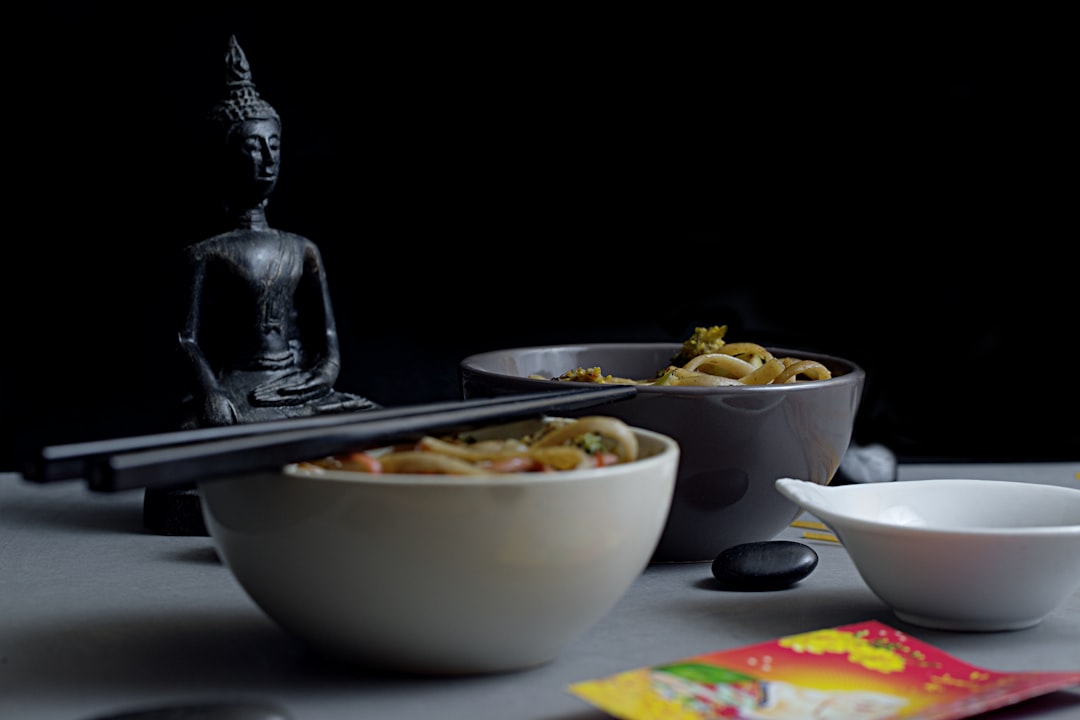
Eating alone in China is harder than you might expect. Chinese cuisine is built around shared dishes for groups. Walk into most restaurants and you’ll find tables set for families, menus listing dishes meant to be split among three or four people, and portions that overwhelm a single diner.
If you’re traveling solo in a big city like Shanghai or Beijing, you can find Western-style cafes, fast food chains, or restaurants with single portions. But in smaller cities—places below tier 3 or even tier 6—your options shrink. A foreigner in a city of 130,000 people asked on Reddit how to handle this problem and got practical answers from locals and long-term expats.
This guide breaks down five working solutions for solo diners in China, with a focus on smaller cities where Western food options are limited.
The Core Problem: Chinese Dining Culture
Chinese meals are social events. Restaurants design their portions for groups. A typical dinner includes multiple dishes—one meat, one vegetable, a soup, and rice—placed in the center of the table for everyone to share.
When you eat alone, you face two problems:
- Portion mismatch: Ordering one dish gives you rice plus that single item. You miss the variety that makes Chinese food interesting.
- Social awkwardness: Staff may look confused when a solo diner enters. Some restaurants don’t even have tables sized for one person.
This isn’t a policy against solo diners. It’s just how the system works. The good news: alternatives exist.
Solution 1: Food Delivery Apps
The easiest fix is to skip the restaurant entirely. Food delivery apps like Meituan and Ele.me work well for solo diners because they:
- Deliver single portions directly to your hotel or apartment
- Let you browse by photos instead of reading Chinese menus
- Offer a wide range of restaurants including places that don’t normally serve walk-in solo customers
Meituan is the most common choice. You can access it through Alipay or WeChat mini-programs, which have translation features. Delivery typically takes 30-40 minutes. Drivers will deliver to your door unless your building restricts entry—some hotels use lobby pickup or robot delivery instead.

What to know about delivery in small cities:
- Address setup matters. If the rider can’t find your location and calls in Chinese, you may get stuck. One Reddit user reported being charged for an undelivered order because the rider couldn’t navigate and hung up when the user didn’t speak Chinese.
- If delivery fails, ask hotel staff or a local friend to contact the platform for a refund.
- Coverage varies. Smaller cities may have fewer restaurants on the app, but most urban areas above 100,000 population have basic coverage.
Solution 2: Cafeteria-Style Pay-by-Weight Restaurants
Look for canteen-style places with a line of trays showing pre-made dishes. These restaurants charge by weight—you grab a plate, pick what you want, and pay at the counter based on how much you took.
This format solves both solo dining problems:
- Portion control: Take small amounts of multiple dishes instead of one huge serving.
- No awkwardness: The system is self-service. No one questions a solo diner picking from trays.
Prices typically run about 2-3 RMB per 100g, or around 15-20 RMB for a full meal. These places are common near universities, factories, and office buildings. Look for spots where delivery riders or construction workers eat—they know the best budget options.
Solution 3: Boxed Meal Shops
“Rice box” shops sell single-portion meals at low prices. These are the places where taxi drivers, couriers, and workers grab quick lunches. You’ll see pre-made boxes with rice and a topping—meat, vegetables, or a mix.
The Chinese term is gaijiaofan—rice with toppings poured over it. Prices usually land around 15-20 RMB per box. The food is simple but filling.
How to spot these shops:
- Small storefronts with a counter showing pre-made dishes
- Men on scooters or delivery uniforms eating quickly inside
- Limited seating, often just a few stools
Solution 4: Chain Restaurants with Single Portions
Some chain restaurants in China offer single-serving options:
- Fast food: McDonald’s, KFC, and local chains like Wallace serve individual meals.
- Haidilao hotpot: Offers solo hotpot packages around 80-100 RMB with single-person portions and smaller pots. Staff will even set up a stuffed animal across from you if you want the “company.”
- Noodle shops: Most serve individual bowls by default—ramen-style noodles, rice noodles, or soup with meat.
Chain restaurants exist in most cities above tier 4. In very small cities, you may only find local noodle shops and fast food.
Solution 5: Order Multiple Dishes and Pack Leftovers
If you want the full Chinese restaurant experience, you can order multiple dishes and ask the restaurant to pack what you don’t finish. Chinese restaurants routinely offer takeout containers for leftovers.
This approach gives you variety today and food for later. The tradeoff: you pay more upfront, and you need a way to store and reheat leftovers.
How to Find Solo-Friendly Places in Small Cities
Use these signals to locate places that work for solo diners:
- Follow the locals: Watch where delivery riders, taxi drivers, or construction workers eat. These people eat alone often and know efficient spots.
- Look for self-service formats: Cafeteria lines, buffet counters, or pre-made box displays indicate solo-friendly setups.
- Check delivery apps: Browse Meituan for restaurants that offer single-portion items. The photos show portion sizes clearly.
- Avoid group-focused venues: Large round tables, lazy Susan turntables, and banquet-style setups signal family dining. Skip these unless you’re ordering for leftovers.

Common Mistakes
Mistake 1: Expecting pizza to work
Pizza sounds like a solo-friendly option. In reality, pizza quality in small Chinese cities varies widely. One commenter’s Chinese partner “banned” Pizza Hut and Domino’s as “expensive and yuk.” Western food in tier 6 cities may not match your expectations.
Mistake 2: Ordering like a group
If you sit down at a Chinese restaurant and order three dishes plus rice for yourself, staff will assume you’re waiting for friends. You’ll get huge portions and likely waste food. Stick to one dish plus rice, or ask if they have small portions.
Mistake 3: Skipping address setup on delivery apps
If your Meituan address is vague or wrong, delivery may fail. Riders call when they can’t find you. If you don’t speak Chinese, the call ends fast—and you might lose your money. Copy your hotel’s Chinese address exactly from your booking confirmation, or ask front desk staff to help.
Summary Checklist
For solo dining in small Chinese cities:
- Best option: Use Meituan or Ele.me delivery apps with your hotel address set correctly.
- Budget option: Find pay-by-weight cafeteria restaurants near office buildings or universities.
- Quick option: Look for boxed meal shops where delivery riders eat.
- Chain option: Haidilao solo hotpot, noodle shops, or fast food for predictable portions.
- Full experience: Order multiple dishes at a restaurant, pack leftovers, and reheat later.
Chinese dining culture doesn’t exclude solo diners—it just assumes groups. The workaround is finding formats that were built for speed and efficiency, not social gathering.
Final words
More reading and next steps
That is the main thread of the article. Keep the links below handy, and use the related posts to continue exploring the same topic from a different angle.
References and links
- Meituan Guide for Foreigners Complete guide to using Meituan food delivery app for foreigners visiting China
- Food Delivery Overview for Tourists Overview of Meituan and Ele.me food delivery options for tourists in China
- Unlimited Buffet Boxed Meal Culture Chinese article explaining the affordable buffet boxed meal culture across China
Comments