Which 10-Day China Route Should You Choose: A Complete Comparison Guide for First-Time Visitors
Planning your first 10-day trip to China feels overwhelming. The country is vast, the options are endless, and you want to see the iconic sights without exhausting yourself. Which route actually works for a first-time visitor?
The answer is simpler than most guides suggest: focus on three to four cities maximum. Build your trip around the Beijing-Xi’an-Shanghai “Golden Triangle,” then add one destination based on your interests.
The Direct Answer
For most first-time visitors, the Beijing-Xi’an-Shanghai route plus one extra stop works best. Add Chengdu for pandas and food, Guilin for classic karst scenery, Zhangjiajie for Avatar-style mountains, or a Yangtze cruise for a leisure pace.
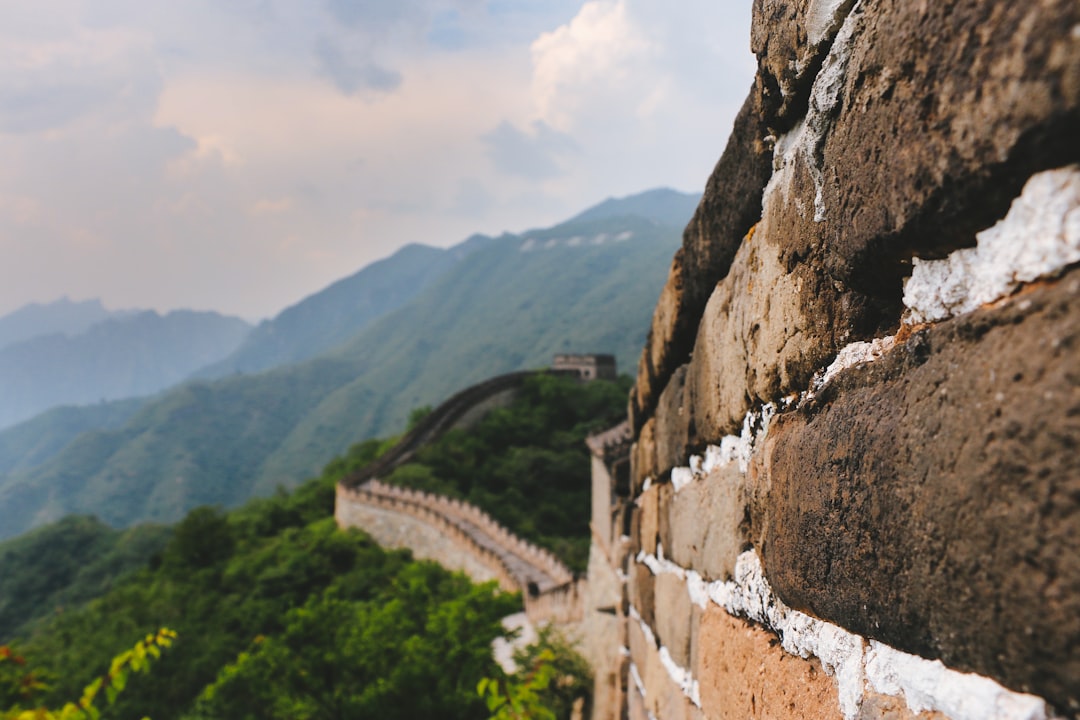
Ten days is enough for three or four major cities. Trying to squeeze in more leads to exhaustion and rushed sightseeing. The Golden Triangle covers China’s most recognizable icons: the Great Wall, Forbidden City, Terracotta Army, and modern Shanghai skyline. Your fourth stop adds personality and variety.
Why This Works
China’s scale intimidates new travelers. A focused route balances must-see landmarks with manageable logistics. High-speed trains connect Beijing, Xi’an, and Shanghai efficiently. Adding just one extra destination avoids the “too much, too fast” trap while still delivering a rich experience.
Each recommended route has a clear profile. One suits photographers. One suits food lovers. One suits travelers who prefer slow, scenic travel. Matching your route to your interests makes the trip feel personal, not generic.
Route Comparison at a Glance
| Route | Cities | Best For | Key Highlights |
|---|---|---|---|
| Route 1 | Beijing-Xi’an-Zhangjiajie-Shanghai | Adventure, photographers | Avatar mountains, Bailong Elevator |
| Route 2 | Beijing-Xi’an-Guilin-Shanghai | Scenery lovers | Karst peaks, Li River |
| Route 3 | Beijing-Xi’an-Chengdu-Shanghai | Food and animal lovers | Pandas, spicy cuisine |
| Route 4 | Beijing-Xi’an-Yangtze-Shanghai | Leisure, cruise fans | Three Gorges, relaxed pace |
| Route 5 | Shanghai-Suzhou-Hangzhou-Huangshan | Eastern China focus | Water towns, Yellow Mountain |
Route 1: Beijing - Xi’an - Zhangjiajie - Shanghai

Best for adventure travelers and photographers who want dramatic scenery.
Zhangjiajie National Forest Park delivers the “floating mountains” from Avatar. The Bailong Elevator, a glass-sided lift attached to a cliff face, offers a thrill ride with panoramic views. This route prioritizes natural spectacle over cultural depth.
Logistics differ from other routes. Xi’an to Zhangjiajie requires a 1.5-hour flight, not a train. The region needs at least two full days. Expect more walking and stair climbing than in Beijing or Xi’an.
Who should choose this route: travelers who prioritize unique landscapes and outdoor experiences over museum visits or urban culture. Not ideal for travelers with mobility limitations.
Route 2: Beijing - Xi’an - Guilin - Shanghai

Best for travelers who want classic Chinese scenery after the cultural icons.
Guilin’s karst landscape defines the classic image of Chinese mountains. The Li River cruise from Guilin to Yangshuo passes peak after peak reflected in calm water. This route pairs the Golden Triangle’s cultural weight with soft, scenic beauty.
Xi’an to Guilin takes 2.5 hours by flight. Guilin deserves two days minimum, including the Li River cruise and Yangshuo exploration. The region suits relaxed sightseeing more than intensive hiking.
Who should choose this route: travelers who want the “traditional Chinese landscape” experience without the physical demands of Zhangjiajie. Good for photographers and slower-paced travelers.
Route 3: Beijing - Xi’an - Chengdu - Shanghai
Best for food enthusiasts and travelers who want to see pandas.
Chengdu adds a different flavor: spicy Sichuan cuisine, teahouse culture, and the Giant Panda Breeding Research Base. This route balances imperial history with local character.
Xi’an to Chengdu connects by high-speed train in 3.5 to 4 hours. Chengdu’s panda base requires an early morning visit for active pandas. The city’s food scene deserves evening exploration.
Who should choose this route: travelers who care about food and wildlife. Chengdu’s relaxed pace contrasts with Beijing’s intensity. Good for families and travelers who want variety without extreme landscapes.
Route 4: Beijing - Xi’an - Yangtze Cruise - Shanghai
Best for travelers who prefer boat travel and leisurely sightseeing.
A Yangtze River cruise through the Three Gorges replaces a fourth city. You board in Chongqing or Yichang, spend three to four nights on the river, and disembark near Shanghai’s reach. The cruise includes shore excursions to scenic spots and cultural sites.
This route reduces hotel changes and transit stress. You unpack once for the cruise segment. The pace suits older travelers or those who prefer slow travel.
Who should choose this route: travelers who want relaxation and scenery without constant packing. Cruise schedules vary by operator, so check departure dates before booking.
Route 5: Shanghai - Suzhou - Hangzhou - Huangshan

Best for travelers who want Eastern China depth without Beijing and Xi’an.
This route skips the Golden Triangle entirely. Shanghai anchors the trip. Suzhou offers classic gardens and water-town atmosphere. Hangzhou adds West Lake elegance. Huangshan (Yellow Mountain) delivers sunrise summit views.
High-speed trains connect these cities efficiently. Shanghai to Suzhou takes 30 minutes. Suzhou to Hangzhou takes 1.5 to 2 hours. Huangshan requires a train plus bus or taxi to the mountain base.
Who should choose this route: travelers returning to China who have already seen Beijing and Xi’an. Or travelers who prefer refined gardens and lake scenery over imperial monuments. Not ideal for true first-time visitors who expect the “must-see” icons.
How to Choose Based on Your Interests
For dramatic landscapes and adventure: Route 1 (Zhangjiajie). Expect stairs, elevators, and spectacular views.
For classic scenery without extreme hiking: Route 2 (Guilin). The Li River cruise delivers iconic views with minimal effort.
For food and pandas: Route 3 (Chengdu). Spicy cuisine, teahouses, and morning panda visits.
For relaxed, boat-based travel: Route 4 (Yangtze cruise). Fewer hotel moves, more leisure time.
For Eastern China gardens and lakes: Route 5. Skip Beijing and Xi’an if you have seen them before.
Common Mistakes
-
Trying to do too many cities. Five or six destinations in ten days exhausts you and dilutes every experience. Stick to three or four.
-
Ignoring transport logistics. Zhangjiajie and Guilin require flights from Xi’an. Chengdu connects by train. Plan your connections before booking.
-
Expecting all Great Wall sections to feel the same. Mutianyu offers a quieter experience than Badaling. Choose your section based on crowd tolerance and physical ability.
-
Assuming visa-free transit applies to every route. The 240-hour policy requires a third-country onward destination. Check eligibility before booking flights.
-
Booking attractions too late. The Forbidden City, Terracotta Army, and major Great Wall sections sell out during peak seasons. Reserve tickets weeks ahead.
Summary Checklist
- Pick three to four cities maximum
- Build around the Golden Triangle (Beijing-Xi’an-Shanghai)
- Add your fourth stop based on interests, not “more is better”
- Check flight vs train connections for your extra destination
- Pre-book major attraction tickets
- Confirm visa-free transit eligibility if applicable
Final words
More reading and next steps
That is the main thread of the article. Keep the links below handy, and use the related posts to continue exploring the same topic from a different angle.
References and links
- ChinaTravel.com 10-Day Itinerary Guide Detailed route breakdowns and transport logistics for all recommended 10-day China routes
- Zhangjiajie National Forest Park Official site for Avatar-style mountains and Bailong Elevator experience
- Terracotta Army Museum Official page for Xi'an's iconic UNESCO World Heritage site
- Mutianyu Great Wall Recommended Great Wall section with fewer crowds than Badaling
Comments