How to Travel Between Major Cities in China: High-Speed Train vs Flight Guide for 10-Day Trips
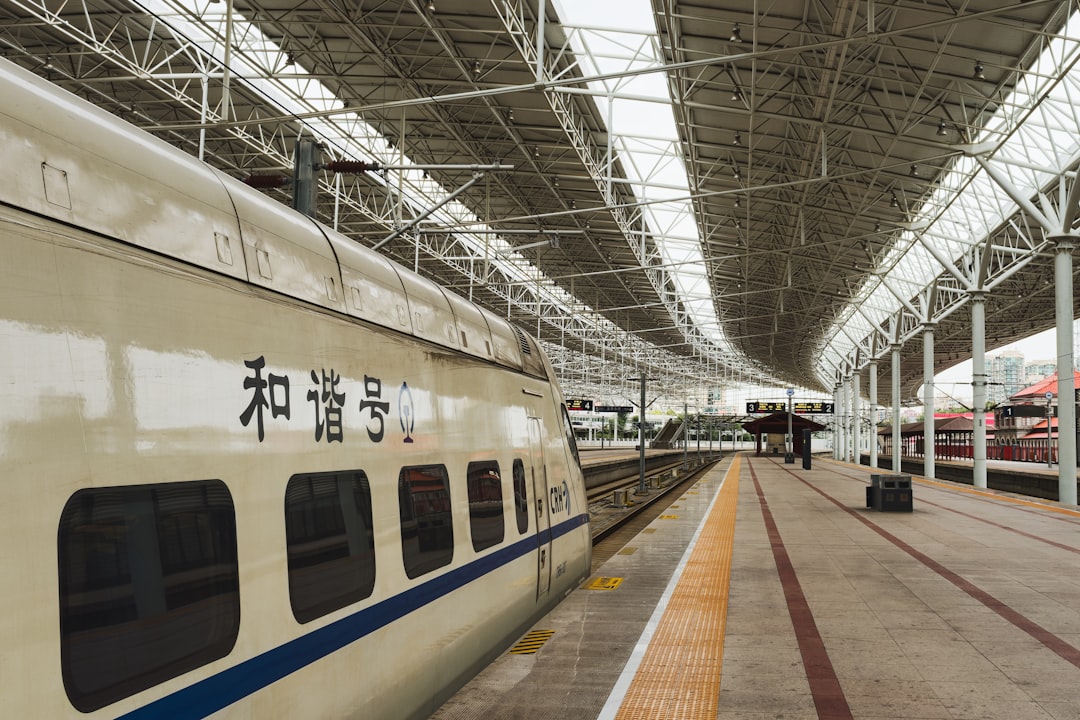
How should you travel between cities in China: high-speed train or domestic flight? The choice affects your daily schedule, budget, and overall trip comfort.
For trips under 2,000 kilometers (about 6 hours by train), high-speed trains win. For longer distances, flights save time. Understanding this threshold helps you plan an efficient 10-day route.
The Direct Answer
Use high-speed trains for short routes. Use flights for long routes. The practical threshold is about 2,000 kilometers or 6 hours of train travel. Below that, trains offer punctuality, city-center convenience, and comfort. Above that, flights cut hours off your transit time.
Beijing to Xi’an takes 4 to 6 hours by train. Xi’an to Chengdu takes 3.5 to 4 hours. Xi’an to Zhangjiajie or Guilin requires flights at 1.5 to 2.5 hours.
Why This Works
China’s high-speed rail network is world-class. Trains depart from city centers, not distant airports. You avoid airport security queues and transit time. Trains run frequently, stay punctual, and offer scenic views along the way.
Flights win on routes where train travel exceeds 6 to 8 hours. Xi’an to Guilin by train would consume most of a day. The flight takes 2.5 hours, freeing your schedule for sightseeing.
Route-by-Route Breakdown
| Route Segment | Train Time | Flight Time | Recommended |
|---|---|---|---|
| Beijing to Xi’an | 4-6 hours | 2 hours | Train (scenic, comfortable) |
| Xi’an to Chengdu | 3.5-4 hours | 1.5 hours | Train (short, efficient) |
| Xi’an to Zhangjiajie | No direct high-speed train | 1.5 hours | Flight (required) |
| Xi’an to Guilin | Very long | 2.5 hours | Flight (required) |
| Xi’an to Chongqing | 1.5-2 hours by flight | Flight preferred | Flight or check train options |
| Chengdu to Shanghai | No direct high-speed train | 2.5-3 hours | Flight (required) |
| Shanghai to Suzhou | 30 minutes | Not practical | Train |
| Suzhou to Hangzhou | 1.5-2 hours | Not practical | Train |
| Hangzhou to Huangshan | 1.5-2 hours | Not practical | Train |
The pattern is clear: Golden Triangle cities connect well by train. Adding Zhangjiajie, Guilin, or a Yangtze cruise starting point usually requires flights.
Train Pros and Cons
Pros:
- City-center stations reduce transit time
- No airport security delays
- Punctual schedules (trains rarely delay more than minutes)
- Comfortable seating with legroom
- Scenic window views
- Luggage stays with you (no checked baggage system)
- Less weather disruption than flights
Cons:
- Longer travel time on distant routes
- Carry your own luggage (no porter service standard)
- Stations have Chinese signage; learn city names in Chinese
- Foreign passport booking challenges on official platforms
- Queueing culture differs; boarding can feel crowded
Flight Pros and Cons
Pros:
- Faster on long routes (Xi’an to Guilin saves hours)
- Connects cities without direct train links
- Standard international booking platforms work (Trip.com, Ctrip)
- Checked baggage available
Cons:
- Airport transit time adds 2+ hours to nominal flight time
- Security queues and boarding procedures
- Weather delays more common than train delays
- Airports often distant from city centers
- Higher prices on peak travel days
How to Book as a Foreign Traveler
Train tickets: The official platform is 12306.cn. Foreign passports can book, but the process may require Chinese app familiarity, local payment methods, or third-party services.
Many foreign travelers use Trip.com or other booking platforms that handle passport-based purchases. Expect a service fee, but the convenience often outweighs the cost.
Flight tickets: International booking platforms like Trip.com, Skyscanner, or airline websites work normally. Payment with international credit cards is straightforward. Book early during peak seasons (April, May, September, October).
Common Mistakes
-
Choosing flight for Beijing-Xi’an. The train takes 4 to 6 hours, but the flight plus airport transit takes nearly as long. The train saves hassle and offers scenery.
-
Assuming every city connects by train. Zhangjiajie and Guilin lack direct high-speed links from Xi’an. You must fly or accept very long journeys.
-
Ignoring station locations. Train stations sit in city centers; airports sit far outside. Factor taxi or subway time into your flight “saving.”
-
Booking train tickets too late. High-speed trains sell out during holidays and peak seasons. Reserve days ahead.
-
Expecting checked luggage on trains. You carry your bags onto the train. Pack manageable weight and size.
-
Using the wrong station name. Beijing has multiple stations. Xi’an has multiple stations. Shanghai has multiple stations. Confirm your departure and arrival points before travel.
Transport Summary for Each 10-Day Route
| Route | Key Transport Choices |
|---|---|
| Route 1 (Zhangjiajie) | Beijing-Xi’an: Train. Xi’an-Zhangjiajie: Flight. Zhangjiajie-Shanghai: Flight |
| Route 2 (Guilin) | Beijing-Xi’an: Train. Xi’an-Guilin: Flight. Guilin-Shanghai: Flight |
| Route 3 (Chengdu) | Beijing-Xi’an: Train. Xi’an-Chengdu: Train. Chengdu-Shanghai: Flight |
| Route 4 (Yangtze) | Beijing-Xi’an: Train. Xi’an-Chongqing: Flight or train. Cruise ends near Shanghai reach |
| Route 5 (East China) | All segments by train: Shanghai-Suzhou-Hangzhou-Huangshan |
Final words
More reading and next steps
That is the main thread of the article. Keep the links below handy, and use the related posts to continue exploring the same topic from a different angle.
References and links
- China Railway 12306 Official Platform Official booking site for Chinese high-speed trains; foreigners may need third-party services for passport-based booking
- ChinaTravel.com Transport Guide Route-by-route transport recommendations for 10-day China trips
- Ctrip/Trip.com Flight Booking Major Chinese booking platform for domestic flights with international payment support
Comments