How to Use China's 240-Hour Visa-Free Transit for a 10-Day Trip: Complete Guide for First-Time Visitors
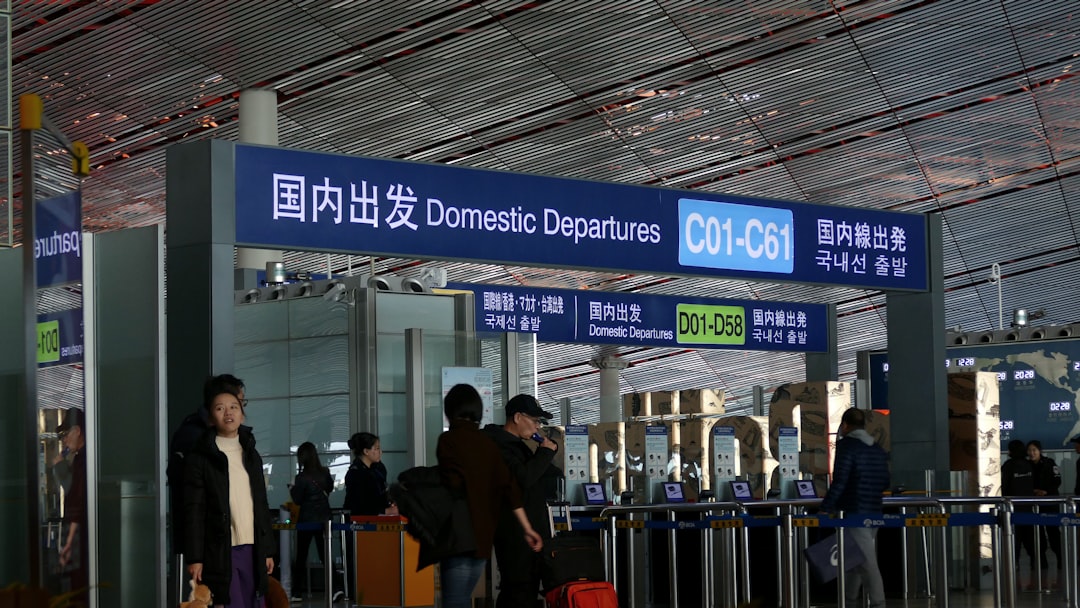
Can you visit China for 10 days without applying for a visa? Yes, if you qualify for the 240-hour visa-free transit policy. Over 50 countries are eligible, and a properly structured itinerary lets you experience the Golden Triangle or similar routes without paperwork.
The policy is designed for transit travelers, not direct round trips. Understanding the rules helps you plan a legal, stress-free 10-day China experience.
The Direct Answer
You can visit China for up to 10 days (240 hours) without a visa if you meet three conditions: you come from an eligible country, you transit to a third country after China, and you enter through an approved port. The 240-hour count starts upon entry and ends when you exit.
All standard 10-day Golden Triangle routes fit within this window. Beijing, Xi’an, and Shanghai plus one extra destination typically consume 9 to 10 days, matching the policy limit exactly.
Why This Works
The visa-free transit policy eliminates the visa application hassle. You save time, avoid paperwork, and reduce costs by approximately USD 100 to 200 depending on your nationality. The policy rewards transit travelers who add China as a stopover between two other destinations.
For first-time visitors, this creates a low-commitment entry point. You experience China’s highlights without the long-term planning a full visa requires. The trade-off is strict: you must leave for a third country, not return directly to your origin.
Who Qualifies
The policy applies to citizens from over 50 countries. The list includes the United States, United Kingdom, Canada, Australia, most European nations, and many others. Check the current list on the National Immigration Administration website before booking.
Your passport must have at least six months of validity remaining. This is standard for most international travel, but worth confirming.
The Route Requirement
The critical rule: your flight path must show transit to a third country.
Valid route example:
- USA to Beijing (enter China)
- Beijing to Xi’an by train (internal travel)
- Xi’an to Shanghai by train (internal travel)
- Shanghai to Japan (exit China to third country)
Invalid route example:
- USA to Beijing (enter China)
- 10 days in China
- Shanghai to USA (return to origin country)
The third country must differ from your origin. If you fly from the USA, you cannot fly back to the USA. You must continue to Japan, Korea, Thailand, Singapore, or another third destination.
Hong Kong and Macau count as separate jurisdictions for this policy. A route like Hong Kong to China Mainland to Thailand may qualify, but verify current rules with official sources before booking.
Entry and Exit Ports
You must arrive and depart through approved ports. Major international airports like Beijing Capital, Shanghai Pudong, and Guangzhou Baiyun qualify. Some land ports and seaports also qualify, but the list changes.
Check the current approved port list before finalizing your flights. If your entry city lacks an approved port, the visa-free policy does not apply.
How 10-Day Routes Fit
Standard 10-day routes align perfectly with the 240-hour limit:
- Beijing: 3 days
- Xi’an: 2 days
- Additional stop (Chengdu, Guilin, Zhangjiajie): 2 to 3 days
- Shanghai: 2 days
Total: 9 to 10 days, within the 240-hour window.
Plan your exit flight on day 10 or earlier. The clock starts at entry, not at your first planned activity. A late arrival on day 1 shortens your usable time.
What Happens If You Break the Rules
Returning to your origin country: Immigration officers will deny visa-free entry at check-in or at the border. You may face emergency visa fees or denied boarding.
Overstaying 240 hours: This violates Chinese immigration law. Consequences include fines, detention, deportation, and future entry bans.
Entering through an unapproved port: You cannot use the visa-free transit policy. You must have a valid visa or face denied entry.
Proof Required at Entry
Show these documents at the immigration counter:
- Valid passport from eligible country (6+ months validity)
- Onward flight ticket to a third country
- Confirmed booking showing departure date and destination
Keep your onward ticket accessible. Immigration officers may request physical or digital proof. Without it, you risk denied entry.
Common Mistakes
-
Booking a return flight to your origin country. The most common error. Your onward destination must differ from where you started.
-
Assuming all entry cities qualify. Only approved ports work. A smaller regional airport may lack visa-free entry authorization.
-
Ignoring the 240-hour clock start time. The count begins at entry, not when you start sightseeing. Plan your exit flight carefully.
-
Visiting Hong Kong or Macau mid-trip and returning to Mainland China. This may reset or complicate your transit status. Verify rules before adding Hong Kong as a stopover.
-
Expecting the policy to cover every nationality. The eligible-country list changes. Confirm your country’s status before booking flights.
Summary Checklist Before You Book
- Confirm your country is on the eligible list
- Ensure your passport has 6+ months validity
- Choose an approved entry port (Beijing, Shanghai, Guangzhou, or others on the list)
- Book an onward flight to a third country, not back to your origin
- Plan your 10-day itinerary to exit on or before day 10
- Carry onward ticket proof at immigration
Final words
More reading and next steps
That is the main thread of the article. Keep the links below handy, and use the related posts to continue exploring the same topic from a different angle.
Comments