Slow Travel in Honghe Yunnan: Mile, Jianshui, and Mengzi for Culture Seekers
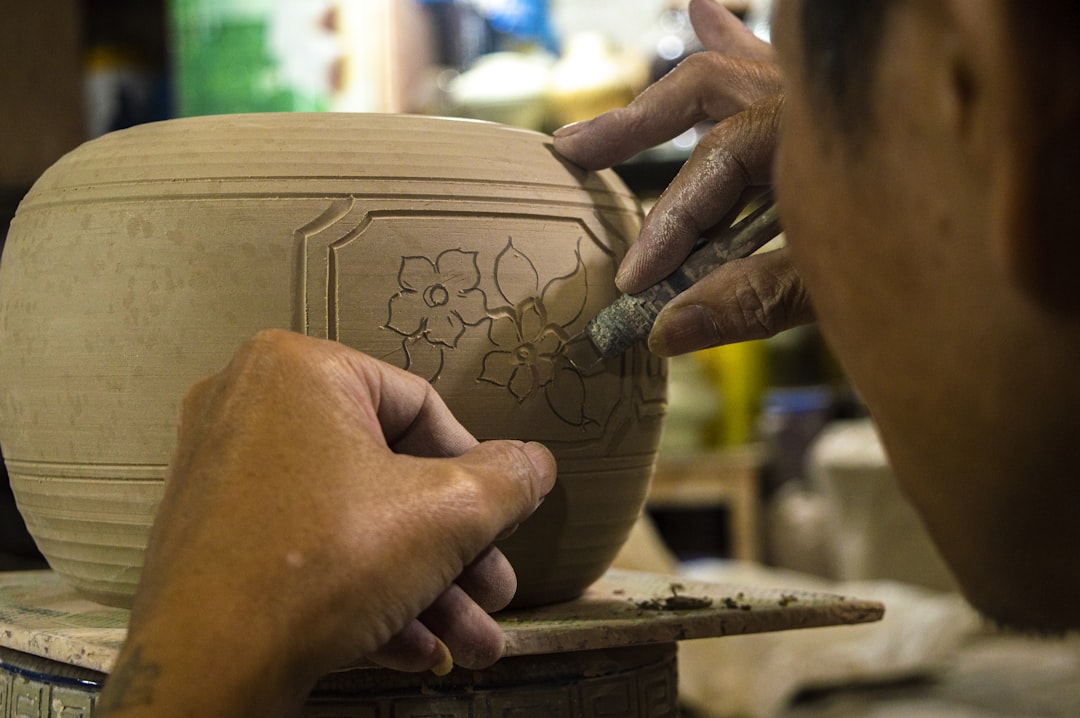
Honghe Prefecture in Yunnan offers something that rushed sightseeing tours cannot deliver: the chance to participate in cultural creation rather than just observe it. Three cities provide distinct slow-travel experiences: Mile for hot springs wellness, Jianshui for centuries-old purple pottery workshops, and Mengzi for creative youth communities. Each rewards visitors who stay for weeks instead of hours.
The Direct Answer
For authentic cultural slow travel in Yunnan, focus on Honghe Prefecture. Mile provides wellness through natural hot springs. Jianshui lets you learn traditional purple pottery from artisans who have practiced this craft for generations. Mengzi and Gejiu host creative spaces where digital nomads and artists gather. The key is staying long enough to participate, not just pass through.
Why Slow Travel Reveals Culture That Rushed Tours Miss
When you visit Jianshui for a day, you see pottery products in shops. When you stay for a week, you can sit with an artisan, learn the shaping techniques, and understand why the purple clay from this region creates unique characteristics in fired pieces.
The same principle applies across Honghe. Mile’s hot springs are enjoyable for an afternoon, but staying for a month lets you integrate wellness into daily routine, interact with homestay owners who share local knowledge, and discover the community infrastructure built for long-term visitors.
Rushed tourism creates checklist experiences. Slow travel creates understanding.
Mile: Hot Springs Wellness and Community Living
Mile focuses on wellness and relaxation. The natural hot springs provide therapeutic benefits that attract visitors seeking health improvements. The Meihua Hot Spring Community operates as a homestay network where guests stay for extended periods.
For slow travelers, Mile works as a base. The climate allows year-round outdoor activities. The community atmosphere provides social connections with other long-term visitors and local residents. You can combine hot springs sessions with exploration of nearby areas.
Mile fits travelers who want wellness integration into their stay rather than a single spa visit.
Jianshui: Purple Pottery Tradition and Modern Innovation
Jianshui has thousands of years of pottery history. The purple pottery known locally as Zi Tao uses clay unique to this region. The firing process produces distinctive colors and textures that differ from other Chinese ceramics.
What makes Jianshui special for slow travel is accessibility to workshops. Unlike museum-only experiences elsewhere, Jianshui artisans continue working in neighborhoods where visitors can observe and potentially participate.
Young artisans have moved to Jianshui specifically to learn and practice this tradition. Zhao Jinpan, born in 1985, came from Gansu as a tourist, found himself drawn to the pottery culture, and decided to stay permanently. He now creates modern designs blending traditional techniques with contemporary aesthetics.
This pattern shows what slow travelers can find: real artisans practicing real craft, open to sharing their knowledge with visitors who show genuine interest.
Workshop participation usually requires advance arrangement. Artisans have their own schedules. Fees vary based on duration and complexity. Language support in English is uncommon, so preparation for Chinese communication helps.
Mengzi and Gejiu: Creative Communities and Artistic Villages
Mengzi hosts creative youth communities including spaces designed for digital nomads and artists. The South Lake Two Miles area provides gathering points for people pursuing creative work while living in smaller cities.
Gejiu’s Shaochong Village has developed cultural markets and art galleries that attract visitors interested in emerging creative scenes. These are not established tourist attractions but working communities where art happens.
For slow travelers who identify as creatives, these areas offer potential connections with like-minded people and exposure to grassroots cultural development.
How to Connect with Local Artisans
Finding artisans requires local knowledge rather than centralized booking. The pottery workshops in Jianshui exist in specific neighborhoods. Locals can direct you to active artisans.
Approaches that work:
- Visit the pottery market areas in Jianshui and ask shop owners about workshops
- Use the Purple Pottery Museum as a starting point for information
- Ask homestay hosts for recommendations on artisans they know
- Walk the artisan neighborhoods and observe where active workshops operate
Booking a workshop session typically happens through direct contact. This differs from tourist attractions with ticket counters. You negotiate with the artisan about time, content, and cost.
Payment uses cash or WeChat Pay. Credit cards are not standard for artisan workshops.
Practical Considerations for Slow Travel
Transportation between cities. Mile, Jianshui, and Mengzi/Gejiu are within Honghe Prefecture but require separate travel. Buses and local trains connect them. Planning your itinerary based on your primary interest helps: pottery enthusiasts center on Jianshui, wellness seekers on Mile, creatives on Mengzi.
Duration needed. Meaningful slow travel requires at least a week in each focus city. A month allows deeper engagement. Rushing through all three cities in a few days defeats the purpose.
Language preparation. Workshop participation, artisan conversations, and homestay interactions benefit from Chinese language ability. Translation apps help but cannot replace direct communication.
Accommodation. Homestays exist in all three cities. The community model in Mile is most developed for long-term visitors. Jianshui and Mengzi have options but may require more local networking to find.
Common Mistakes
Treating these as day-trip destinations. You cannot understand pottery tradition in an afternoon. You cannot integrate into a creative community in a brief visit.
Expecting tourist-level booking convenience. Artisan workshops require personal contact. Creative communities require introduction. These are not attractions with online booking portals.
Ignoring language barriers. Artisans speak about their craft in Chinese. Creative community members converse in Chinese. Without preparation, interaction remains superficial.
Summary: Choosing Your Slow-Travel Focus
- Mile: Best for wellness integration and community-based long stays
- Jianshui: Best for pottery learning and traditional craft immersion
- Mengzi/Gejiu: Best for creative community connection and emerging art scenes
Pick one primary focus rather than rushing through all three. Stay long enough to participate. Prepare for Chinese communication. Accept that convenience is traded for authenticity.
Final words
More reading and next steps
That is the main thread of the article. Keep the links below handy, and use the related posts to continue exploring the same topic from a different angle.
Comments