Where to See Han Dynasty History and Culture in Xuzhou
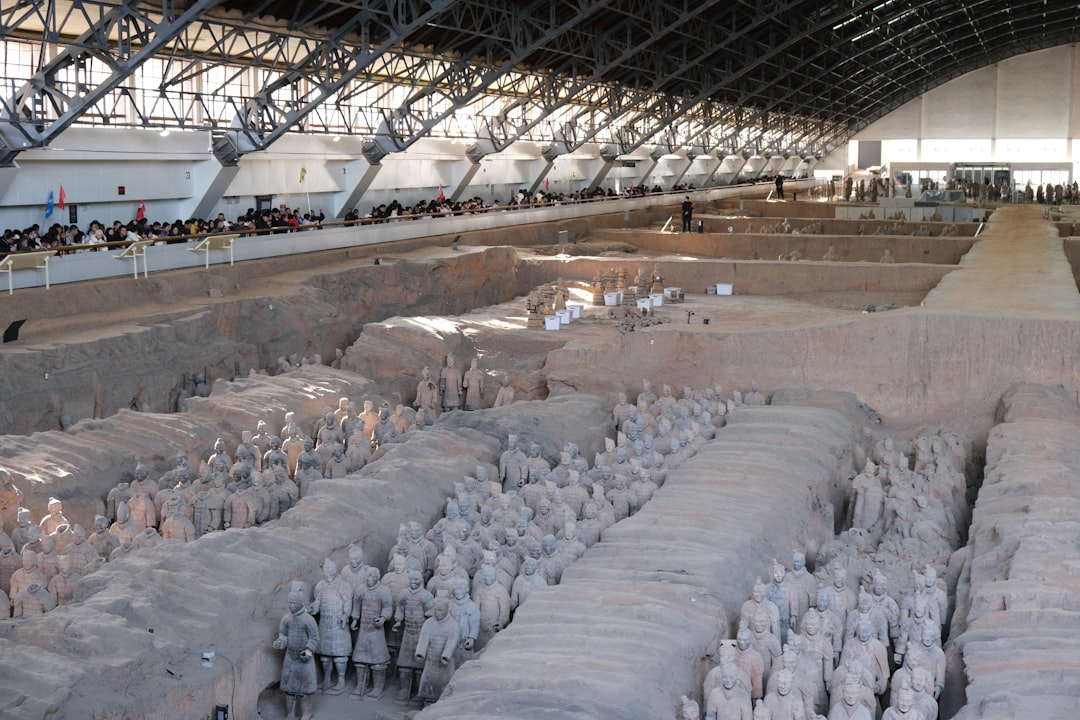
Xuzhou is known as the best place in China to see Han Dynasty history. The famous saying “Qin and Tang in Xi’an, Ming and Qing in Beijing, Two Hans in Xuzhou” tells you why. The city was the hometown of Liu Bang, the first Han emperor, and produced nine to eleven subsequent emperors. Key sites include Xuzhou Museum, Chu King’s Tomb at Lion Mountain, Han Terracotta Warriors Museum, and Guishan Han Tomb.
Why “Two Hans in Xuzhou”
The Han Dynasty lasted over 400 years and is divided into Western Han and Eastern Han periods. Xuzhou, as the hometown of Liu Bang, played a central role in this era. The region produced many Han royal family members and nobles whose tombs and artifacts remain today.
Unlike Xi’an’s Qin Dynasty terracotta army, which is grand and imposing, Xuzhou’s Han Dynasty terracotta figures are smaller and more refined. They show daily life, musicians, and performers rather than just soldiers. This gives you a different view of ancient Chinese culture.
Xuzhou Museum
The Xuzhou Museum houses extensive Han artifacts including jade, bronze, and pottery. It is free but requires advance reservation.
Key points:
- Reservation: Book at least two days in advance through the official website
- Hours: Typically 9:00-17:00, closed Mondays
- Location: Near downtown, accessible by subway
Tip: If you cannot get a reservation, consider visiting other Han sites first and trying the museum later in your trip.
Han Terracotta Warriors at Lion Mountain
The Han Terracotta Warriors Museum at Lion Mountain contains over 5,000 terracotta figures from the Han Dynasty. These are different from Xi’an’s famous Qin terracotta army.
What makes them different:
- Smaller figures, about 30-40 centimeters tall
- More refined details showing clothing, expressions, and poses
- Figures include musicians, dancers, and servants, not just soldiers
Comparison to Xi’an: Xi’an’s terracotta are Qin Dynasty (about 200 BC), massive and military-focused. Xuzhou’s are Han Dynasty (about 100 BC-100 AD), smaller and more varied. Both are worth seeing if you want to understand different periods.
Guishan Han Tomb
Guishan Han Tomb is sometimes called the “Eastern Pyramid.” You can enter the actual tomb interior, which is rare in China.
Key points:
- Tomb interior covers about 700 square meters with 15 rooms
- You walk through corridors and chambers where the royal family was buried
- Shows Han burial architecture and tomb design
Note: Tomb interiors may have photography restrictions. Check signs before taking photos.
Han Culture Scenic Area
The Han Culture Scenic Area combines the Chu King’s Tomb, terracotta museum, and Han stone relief corridor in one complex. This is efficient if you want to see multiple Han sites in one visit.
Recommended route:
- Enter from East Gate
- Visit Chu King’s Tomb interior
- See the Terracotta Warriors Museum
- Walk through the Underwater Cavalry figurines display
- View the Han Stone Relief Corridor
Tickets: About 90 RMB for adults, 45 RMB for students. Student tickets are available at the South Gate visitor center.
Tip: Allow at least 2-3 hours for this complex. Wear comfortable shoes for walking through tomb interiors.
Other Han Sites
Xuzhou has other Han-related sites if you have more time:
- Other Han tombs scattered around the region
- Han stone relief museums showing carved images from Han period
- Local museums with smaller Han collections
Check official tourism sites for current opening hours and ticket information.
Practical Tips
Timing: Most sites open 9:00-17:00. Some museums close on Mondays, so avoid planning museum visits on Mondays.
Booking: The Xuzhou Museum requires advance reservation. Book at least two days ahead. Other sites typically allow walk-in ticket purchase.
Transport: Most Han sites are near subway stations or reachable by short taxi ride from downtown.
Language: English guides may not be available at all sites. Check when you arrive or use a translation app.
Summary
Xuzhou offers the best Han Dynasty history experience in China. Visit the Xuzhou Museum for artifacts, Lion Mountain for terracotta warriors, and Guishan for tomb interiors. The Han Culture Scenic Area combines multiple sites efficiently. Remember to book the museum at least two days ahead and avoid Monday visits to museums.
Final words
More reading and next steps
That is the main thread of the article. Keep the links below handy, and use the related posts to continue exploring the same topic from a different angle.
References and links
- Xuzhou Museum Official Website Official booking and exhibition information for Xuzhou Museum, which requires advance reservation.
- Han Culture Scenic Area Official information for the Han Culture Scenic Area including tickets and visiting routes.
- Guishan Han Tomb Official government tourism page with information about Guishan Han Tomb visits.
Comments