Why Fuzhou is Called the City of Banyan Trees
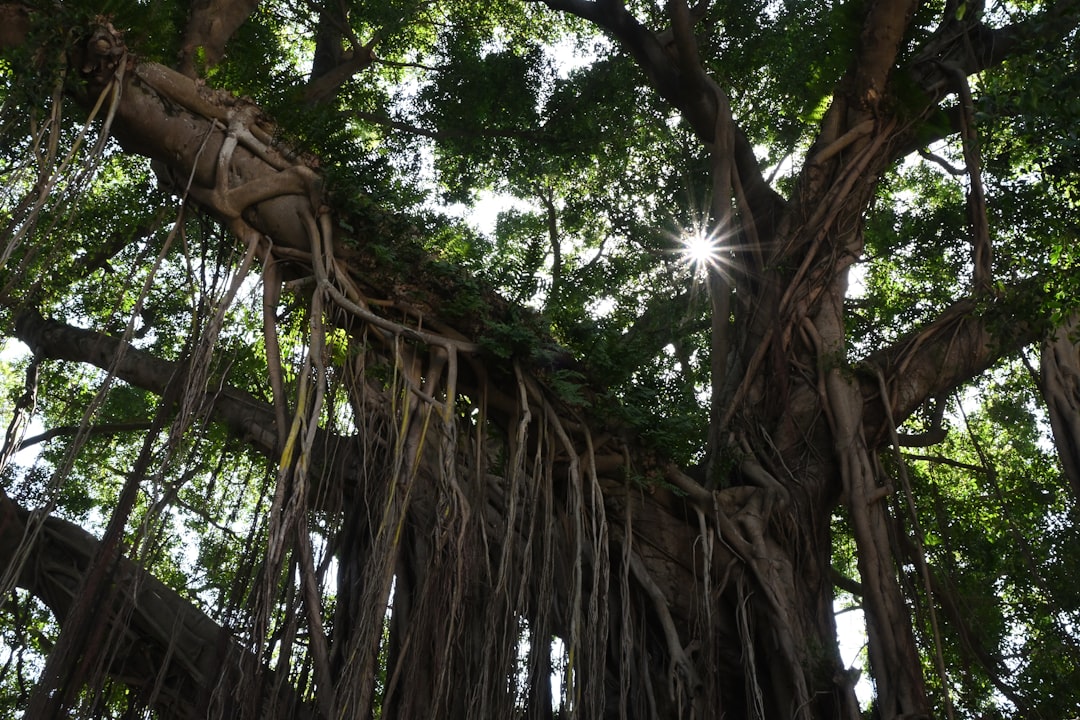
Fuzhou is nicknamed the City of Banyan Trees, or Rongcheng in Chinese. Massive banyans have lined the city’s streets since the Northern Song Dynasty, about 900 years ago. This greenery shapes the city’s character and offers travelers something different from typical concrete-heavy Chinese cities.
Why Banyans Matter in Fuzhou
Banyan planting in Fuzhou began for practical reasons. The trees were planted to combat flooding and provide shade during hot summers. Over centuries, they became part of the city’s identity.
Today, the nickname is accurate. Reddit travelers specifically praised Fuzhou’s greenery: “the trees here are especially big and beautiful” and “was really impressed by how much green cover and integrated with nature the city is.”
The trees are not confined to parks. They line streets throughout the urban center, creating a canopy that softens the city’s appearance and changes how you experience walking through it.
Historical Background
Artificial planting of banyans in Fuzhou began in the late Tang Dynasty, but systematic planting started about 900 years ago during the Northern Song Dynasty. The practice continued through successive dynasties.
The trees were chosen because banyans grow large canopies, survive in humid climates, and have extensive root systems that help stabilize soil. For a city near rivers and dealing with seasonal flooding, this was practical urban planning that became aesthetic heritage.
Where to See the Most Impressive Trees
Street Banyans Throughout the City
You do not need to go to a specific location. Walking through Fuzhou’s older neighborhoods, especially near Sanfang Qixiang, you will see mature banyans along sidewalks and small squares. Their aerial roots and spreading branches create natural architecture.
Fuzhou National Forest Park
For the most concentrated banyan experience, visit Fuzhou National Forest Park, about 20km from the city center. The park covers 5,743 hectares and collects over 30 varieties of banyan trees.
The highlight is the “Banyan King,” a tree approximately 1,000 years old. It stands 20 meters high with a canopy covering over 1,330 square meters. This single tree creates its own micro-forest, with aerial roots forming a complex structure.
The park also includes Longtan Waterfall and a bird sanctuary, making it worth a full day if you enjoy nature beyond just trees.
Practical Tips for Visiting
Transport: The forest park is outside the city center. You can reach it by bus or taxi. Allow transport time when planning your visit.
Best Experience: Street banyans are easiest to see while walking the city. The forest park requires more time but gives you the concentrated collection and the Banyan King.
Seasons: Banyans are evergreen, so the trees look similar year-round. Spring and autumn are comfortable seasons for extended walking. Summer visits work but expect humidity.
Photography: The large trees with visible aerial roots provide unique photo opportunities. Street banyans work well for casual shots. The Banyan King at the forest park is impressive for scale-focused photography.
What Makes This Feature Unique
Most Chinese cities of Fuzhou’s size are dominated by buildings. Fuzhou’s integration of massive trees into urban streets gives it a softer, more relaxed appearance.
Travelers notice this immediately. One Reddit commenter said they “really like cities that have great greenery but are also kept very clean.” Fuzhou fits this description: the trees are abundant, but the city maintains them and keeps streets orderly.
This combination of extensive greenery and urban cleanliness is not common in China’s larger cities. It helps explain why travelers who spend extended time in Fuzhou often praise its atmosphere.
Connection to Fuzhou’s Character
The banyan trees contribute to Fuzhou’s “slow city” feel. Walking under large canopies changes the light and temperature, making street wandering more comfortable.
If you read about Fuzhou being “culture-led” and focused on “everyday life,” the trees are part of that. They are not museum pieces; they are daily background for residents and visitors. Seeing them while walking to a food stall or through a historic lane is part of the integrated experience.
Adding This to Your Itinerary
If you have 2-3 days, notice street banyans while walking through Sanfang Qixiang and the city center. This does not require separate planning.
If you have 4-5 days or specifically enjoy nature, add Fuzhou National Forest Park as a dedicated stop. The Banyan King alone makes this worthwhile.
The forest park can combine with hot springs if you want a nature-focused day outside the urban center.
Final words
More reading and next steps
That is the main thread of the article. Keep the links below handy, and use the related posts to continue exploring the same topic from a different angle.
References and links
- Fuzhou City of Banyan Trees - China Daily Official China Daily article on Fuzhou as the City of Banyan Trees and the historical planting tradition
- Fuzhou National Forest Park - ChinaTripedia Detailed article on the forest park, its banyan collection, and the Banyan King
- Fuzhou National Forest Park - IntoTravelChina Forest park description with visitor information
- Banyan City History - ChinaStory History of banyan planting in Fuzhou since Northern Song Dynasty
Comments