Top Cultural Destinations in China for First-Time Foreign Visitors
First-time foreign visitors to China face an overwhelming question: where should you start? China’s scale and cultural depth make it hard to prioritize. Over 60% of inbound tourists cite “experiencing Chinese culture” as their primary travel purpose. This guide uses official rankings from China Tourism Academy to help you choose the cultural destinations that matter most.
The Direct Answer
The top cultural destinations for first-time foreign visitors, based on China Tourism Academy’s inbound tourist satisfaction surveys:
- Forbidden City (Beijing) - Imperial palace complex, world’s largest preserved wooden architecture
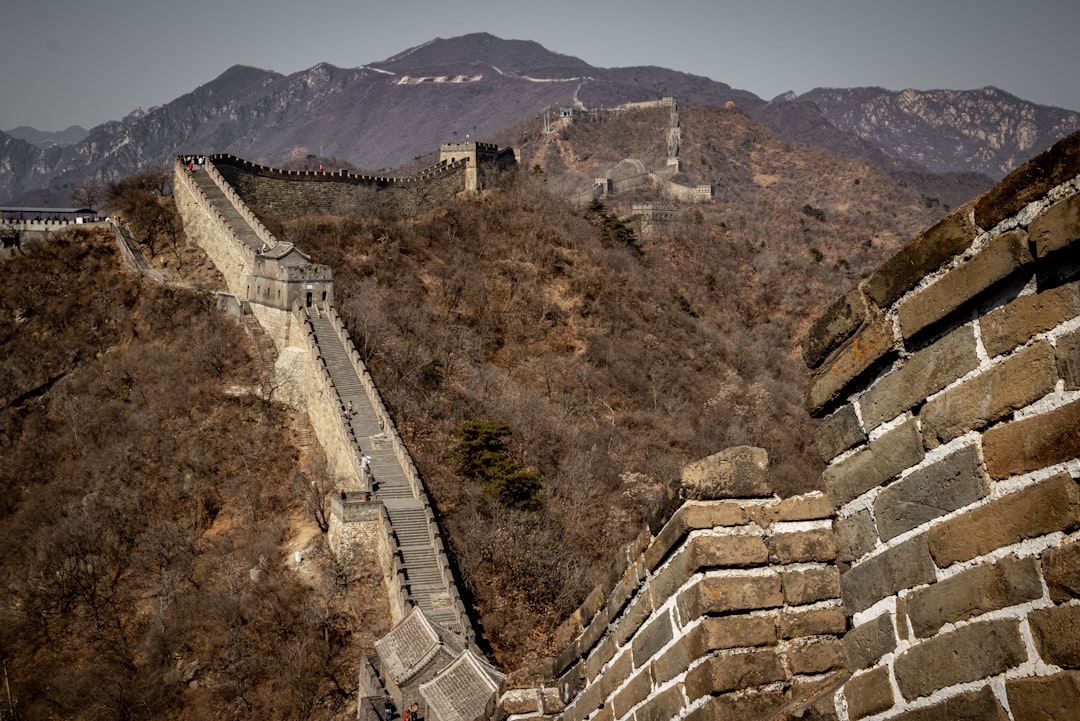
- Mutianyu Great Wall (Beijing) - Less crowded section with restored watchtowers and cable car access
- Terracotta Warriors (Xi’an) - Emperor Qin Shi Huang’s underground army, 8,000+ life-size figures
- Lijiang Old Town (Yunnan) - Naxi ethnic minority heritage, traditional architecture and waterways
- Zhujiajiao Ancient Water Town (Shanghai area) - Ming-era canals, bridges, and stone streets
- Wuzhen Water Town (Zhejiang) - Preserved canal town with traditional workshops and night performances
These sites represent China’s heritage diversity: imperial power, military defense, ancient burial culture, ethnic minority traditions, and water-town commerce.
Why These Rankings Matter
China Tourism Academy surveyed inbound tourists to produce its “Top 10 Attractions Loved by Inbound Tourists” and “Top 10 Ancient Towns” lists. These rankings reflect actual visitor satisfaction rather than promotional marketing. For first-time visitors, they solve the “where to start” problem with evidence-based recommendations.
Between January and July 2024, China recorded 572.2 million inbound tourism trips—a 403% year-over-year increase. During the National Day holiday, inbound tourism orders rose approximately 60%, and over 50% of foreign travelers stayed more than 7 days. These numbers show growing foreign visitor interest and improved tourism infrastructure.
Northern Route: Beijing and Xi’an
Forbidden City (Palace Museum)
The Forbidden City served as the imperial palace for 24 emperors during the Ming and Qing dynasties. It contains nearly 1,000 buildings and covers 72 hectares—the world’s largest preserved wooden architectural complex.
What foreign visitors appreciate:
- Scale and architectural detail visible without guides
- English signage throughout major exhibition halls
- Photogenic courtyards and throne rooms
Practical notes:
- Advance online booking required. Tickets sell out during peak seasons.
- Booking may require Chinese mobile payment apps; some travelers book through Trip.com with English interface.
- Allow at least 3 hours for a meaningful visit.
Mutianyu Great Wall
Mutianyu ranks higher than Badaling for foreign visitors because it combines accessibility with lower crowd density. The section features restored watchtowers, a cable car, and a toboggan slide down.
What foreign visitors appreciate:
- Clear walking paths with safety railings
- Cable car access reduces physical strain
- Views of wall snaking across mountain ridges
Practical notes:
- About 70 km from Beijing center; travel time 1.5-2 hours by bus or private transport.
- Tickets available at entrance; foreign cards sometimes accepted at ticket office.
- Mid-week visits have fewer crowds than weekends.
Beijing Central Axis Walking Tours
Beijing’s Central Axis—recently added to UNESCO’s World Heritage list—connects heritage sites from Jingshan Park to Hong’en Temple. A Moroccan tourist praised the route for blending “historic sites and modern life.” This walking approach lets you experience Beijing’s urban heritage between major attractions.

The Terracotta Warriors represent Emperor Qin Shi Huang’s burial guard—8,000+ life-size clay soldiers, horses, and chariots discovered in 1974. The site sits in Lintong District, about 40 km from Xi’an city center.
What foreign visitors appreciate:
- Visual impact of thousands of aligned figures
- Clear viewing platforms in Pit 1 (largest excavation)
- Museum exhibits explaining discovery and preservation
Practical notes:
- Allow a full day: travel time (40-60 minutes each way) plus 2-3 hours at site.
- English signage limited; consider hiring an English-speaking guide or using audio guides.
- Combine with Xi’an city wall visit for a full cultural day.
Southern Route: Yunnan Ethnic Culture
Lijiang Old Town
Lijiang Old Town showcases Naxi ethnic minority heritage. Traditional wooden buildings line canals fed by mountain springs. The town blends Chinese architectural influence with Naxi cultural elements.
What foreign visitors appreciate:
- Walking streets without motor vehicle traffic
- Traditional music performances and craft demonstrations
- Evening lighting transforms the town atmosphere
Practical notes:
- Located at 2,400 meters elevation; travelers sensitive to altitude should pace themselves.
- Entry fee may apply; check current policy at official site.
- High-speed flights connect Lijiang to major cities; allow time for altitude adjustment.
A Polish tourist completed a two-week Yunnan trip centered on Lijiang, documenting ethnic minority cultural experiences across multiple towns. His route shows how Lijiang serves as a gateway to broader Yunnan heritage exploration.
Eastern Water Towns
Zhujiajiao (Shanghai Area)
Zhujiajiao dates to the Ming Dynasty, with 36 stone bridges crossing canals through preserved merchant architecture. Located about 45 km from Shanghai center, it works as a half-day or full-day excursion.
What foreign visitors appreciate:
- Canal boat rides with English commentary available
- Street food and traditional workshops accessible without Chinese language
- Clear walking routes through historic zones
Practical notes:
- Accessible by Shanghai subway plus short bus connection.
- Foreign cards rarely accepted at small vendors; bring cash or linked mobile payment.
Wuzhen (Zhejiang)
Wuzhen offers more preserved traditional workshops—silk weaving, wine brewing, dye houses—plus evening light performances on the water. It sits about 80 km from Shanghai, typically requiring a dedicated day trip.
What foreign visitors appreciate:
- Demonstrations of traditional crafts with visitor participation
- Night performances combining lights, water, and music
- Two distinct zones (East and West) with different character
Practical notes:
- Tickets required for both zones; check if combined tickets offer value.
- Most visitors focus on West Zone for performances and crafts.
Common Mistakes
-
Underestimating Xi’an time: The Terracotta Warriors site requires travel time plus viewing time. Many visitors allocate only half a day and miss context.
-
Missing Forbidden City booking window: Peak season tickets sell out days in advance. Check availability before finalizing Beijing dates.
-
Ignoring Yunnan altitude: Lijiang sits at 2,400 meters. Arriving directly from low elevation can cause fatigue. Plan adjustment time.
-
Attempting all destinations in one trip: Each region requires travel logistics. Beijing-Xi’an works well together; adding Yunnan or water towns requires flight connections and additional days.
Route Planning for 7-Day Cultural Itinerary
A practical first-time route:
Day 1-3: Beijing
- Forbidden City (advance booking essential)
- Mutianyu Great Wall (mid-week preferred)
- Central Axis walking route between sites
Day 4-5: Xi’an
- Terracotta Warriors (full day including travel)
- Xi’an city wall evening walk
Day 6-7: Extension options
- Shanghai + Zhujiajiao water town day trip
- Or flight to Lijiang for ethnic minority culture (requires altitude adjustment)
This route covers three official top-ranked cultural destinations within realistic travel time.
Final words
More reading and next steps
That is the main thread of the article. Keep the links below handy, and use the related posts to continue exploring the same topic from a different angle.
References and links
- China Tourism Academy Official Site Source of the official 'Top 10 Attractions Loved by Inbound Tourists' survey and rankings.
- Forbidden City (Palace Museum) Official Ticketing Official ticketing site for the Palace Museum (Forbidden City) with advance booking requirements.
- Emperor Qinshihuang's Mausoleum Site Museum Official site for the Terracotta Warriors museum with visitor information and ticket details.
- Beijing Central Axis UNESCO World Heritage UNESCO World Heritage listing for Beijing's Central Axis, including walking tour route guidance.
- Lijiang Old Town Management Office Official information for Lijiang Old Town visitor entry and cultural heritage preservation.
Comments