Chengdu Travel Mistakes to Avoid: Local Tips for First-Time Foreign Visitors
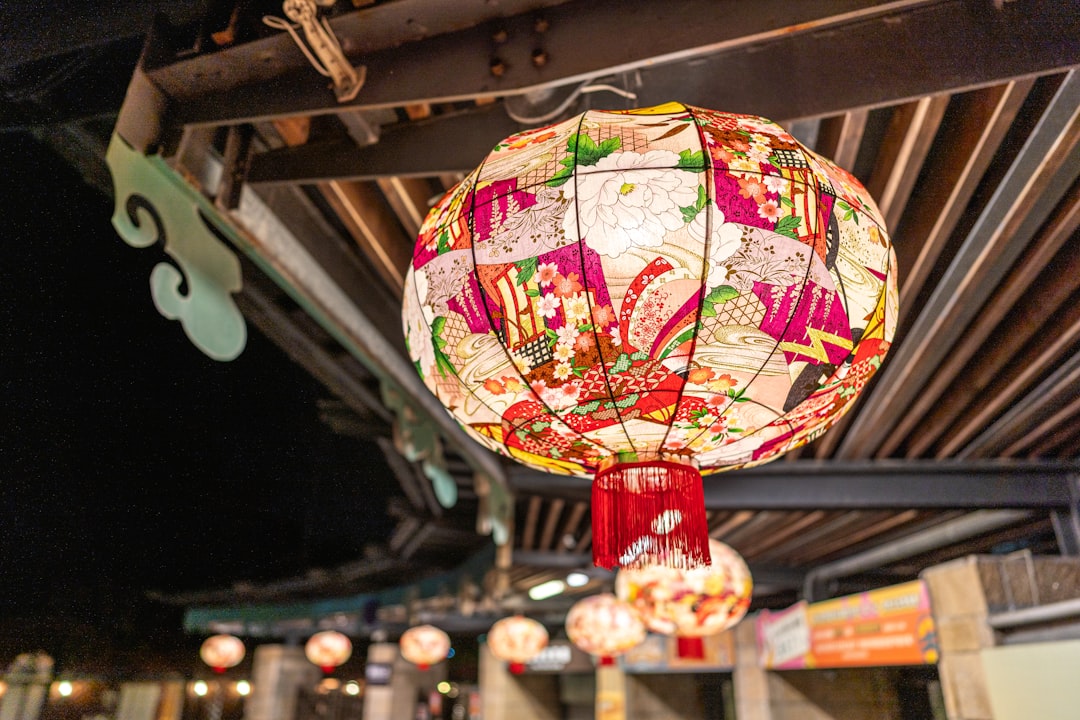
Foreign tourists often arrive in Chengdu with expectations shaped by Western travel guides. Those expectations can lead to mistakes that waste time, money, and the chance to experience what makes Chengdu special.
This guide identifies the most common mistakes based on advice from Chengdu residents. Understanding these patterns helps you plan better and avoid disappointment.
Direct Answer: Key Mistakes to Avoid
The most common Chengdu travel mistakes are:
- Arriving at Panda Base too late (pandas sleep by 10 AM)
- Visiting Jinli only during daytime (night atmosphere is essential)
- Overpacking distant attractions in single days
- Eating at tourist-trap restaurants directly outside major attractions
- Expecting English signage everywhere (translation apps are essential)
Each mistake stems from mismatched expectations. Pandas are not active throughout the day. Traditional streets need lanterns and crowds for atmosphere. Chengdu’s relaxed pace conflicts with rushed Western itineraries.
Why These Mistakes Happen
Western travel destinations often have different patterns. Zoos in Europe or North America may have animals active throughout the day. Historic streets in other cities work well as daytime walking areas. English signage is common in tourist-heavy destinations abroad.
Chengdu follows different rules. The local climate is humid and often cloudy. Residents prefer evening outings for traditional streets. Pandas follow seasonal feeding schedules that concentrate activity in early morning. English usage is limited outside hotels and major attractions.
Understanding these local realities prevents frustration and wasted effort.
Mistake #1: Late Panda Base Arrival
The Problem
Foreign travelers often arrive at Chengdu Panda Base around 10 AM or later, assuming pandas will be visible throughout the day. They find pandas resting, sleeping, or barely moving. The main reason for visiting Chengdu feels wasted.
Why It Happens
Western zoos often have animals active during regular hours. Tourists assume the same pattern applies to panda viewing. Without local advice, they miss the critical feeding-window information.
The Correct Approach
Arrive by 8 AM. Pandas are fed between 8 AM and 10 AM. During feeding, they eat, move between spots, and interact with keepers. After feeding, they settle into rest.
If you arrive after 10 AM, you will see pandas lying down, occasionally shifting position. The activity that makes panda viewing worthwhile happens early.
Practical Tips
- Check seasonal feeding schedules on the official Panda Base website before visiting
- Book transportation the night before to ensure early departure
- Morning crowds are lighter; late mornings bring peak visitor numbers
- Photography without flash; pandas react strongly to sudden light
Mistake #2: Jinli Daytime-Only Visit
The Problem
Tourists visit Jinli Ancient Street in late morning or early afternoon, expecting a traditional Chinese street experience. They see shops, some crowds, and brick buildings. The visit feels ordinary, like any shopping street.
Why It Happens
Standard itineraries schedule daytime blocks for attractions. Tourists follow the schedule without knowing Jinli’s night transformation.
The Correct Approach
Visit Jinli after 7 PM. The red lanterns illuminate the brick alleys. Food stalls fill with snacking crowds. Music and street performances add energy. The atmosphere changes completely from daytime’s quiet commerce to evening’s festive scene.
Practical Tips
- Combine Jinli with Wuhou Shrine visit (they connect), but check shrine closing time first
- Evening visits mean dinner timing; try local snacks but expect tourist-level pricing
- Photography is better at night; lanterns create warm lighting for street scenes
Mistake #3: Overpacking Distant Sites
The Problem
First-time visitors try to cover Panda Base, Wuhou Shrine, and Du Fu Cottage in one day. They exhaust themselves before evening, rush through each site, and miss details.
Why It Happens
Western guidebooks often present attractions without emphasizing distance. Panda Base is north of the city. Wuhou Shrine and Du Fu Cottage are west. Travel between them takes time and energy.
Chengdu’s pace is slower than Beijing or Shanghai. Rushing conflicts with local expectations. Residents spread activities across days rather than compressing everything.
The Correct Approach
Group attractions by location. Panda Base deserves a dedicated morning. Combine Kuanzhai Alley and Wuhou Shrine since they are near each other. Du Fu Cottage and Wenshu Monastery work together as a cultural day.
The 3-day itinerary pattern respects Chengdu’s relaxed character while covering major sites efficiently.
Practical Tips
- Check distances on Baidu Maps before planning (Google Maps is unreliable in China)
- Allow more time than maps suggest; Chengdu traffic and walking pace differ
- Include rest breaks at tea houses rather than pushing through exhaustion
Mistake #4: Tourist-Trap Restaurants
The Problem
Visitors eat at restaurants directly outside ticket gates at Wuhou Shrine or other attractions. Prices are inflated. Food quality is below local standards. The experience feels commercial rather than authentic.
Why It Happens
Tired tourists choose the nearest option after sightseeing. Convenience overrides judgment. The restaurants look traditional, suggesting authentic food.
The Correct Approach
Walk 10 to 15 minutes away from major attractions before choosing restaurants. Areas with residential traffic and local customers usually have better food at fairer prices.
Ask hotel staff for recommendations away from tourist zones. Use Dianping app (Chinese Yelp equivalent) to find highly-rated restaurants not adjacent to attractions.
Practical Tips
- Restaurants with predominantly foreign tourists are often overpriced
- Local crowds indicate authentic options
- Ask for “bu la” (not spicy) if you cannot handle Sichuan heat levels
- Hot pot restaurants require local guidance for proper ordering
Mistake #5: Expecting English Signage
The Problem
Foreign tourists arrive without translation tools, expecting English signs at attractions, metro stations, and restaurants. They struggle with navigation, ticket purchasing, and ordering food.
Why It Happens
Major Chinese cities like Beijing and Shanghai have more English coverage in tourist areas. Tourists assume Chengdu, a major city, follows the same pattern.
The Correct Approach
Download translation apps before arrival. Google Translate with offline Chinese pack works for basic needs. Pleco is useful for deeper Chinese vocabulary.
Baidu Maps or Apple Maps work better than Google Maps for navigation. Download offline maps before traveling.
Learn basic Mandarin phrases for common needs: asking prices, requesting non-spicy food, simple directions.
Practical Tips
- Hotel staff often speak English; ask them to write attraction names in Chinese for taxi drivers
- Metro station names in English exist but platform announcements are often only in Mandarin
- Ticket machines at attractions may require Chinese-language navigation; staff can help
Additional Local Tips
Weather Expectations
Chengdu is often humid and cloudy. “Sunny” forecasts frequently prove wrong. Carry an umbrella even on forecast-clear days. The climate differs from Beijing’s dry patterns.
Payment Systems
Foreign cards work at some attractions and hotels but not everywhere. Cash remains a backup. Set up WeChat Pay or Alipay before arrival for broader coverage.
Some ticket machines and local vendors do not accept international cards.
Transportation
Avoid taxis without meters. Use Didi app for reliable pricing and English interface. Chengdu metro covers most central attractions; learn the line map before traveling.
Temple Etiquette
Buddhist temples like Wenshu Monastery are active religious sites. Walk quietly, avoid disrupting ceremonies, and observe from appropriate distances. Photography rules vary by site; check before taking photos inside temple halls.
Quick Reference Checklist
Before your Chengdu trip, confirm:
- Panda Base arrival planned for 8 AM or earlier
- Jinli scheduled for evening, not daytime only
- Attractions grouped by location across multiple days
- Restaurant choices away from attraction ticket gates
- Translation apps downloaded and offline maps saved
- Umbrella packed regardless of weather forecast
- WeChat Pay or Alipay set up for payment coverage
- Basic Mandarin phrases learned for essential interactions
Summary
Chengdu rewards travelers who match local patterns rather than forcing Western expectations. Arrive early at Panda Base, save traditional streets for evening, cluster nearby attractions per day, avoid tourist-zone restaurants, and prepare for limited English coverage. These adjustments prevent disappointment and help you experience what makes Chengdu distinctive.
Final words
More reading and next steps
That is the main thread of the article. Keep the links below handy, and use the related posts to continue exploring the same topic from a different angle.
References and links
- Chengdu Tourism Bureau Official guidelines for visiting times and attraction information
- Chengdu Panda Base Official FAQ Best viewing times, visitor rules, and feeding schedules
- TripAdvisor Chengdu Forums Visitor-reported mistakes and solutions from recent travelers
- Mafengwo Travel Platform Local resident practical advice shared on Chinese travel platform
Comments