Which Ancient Towns and Cities in China Are Most Popular with Foreign Tourists
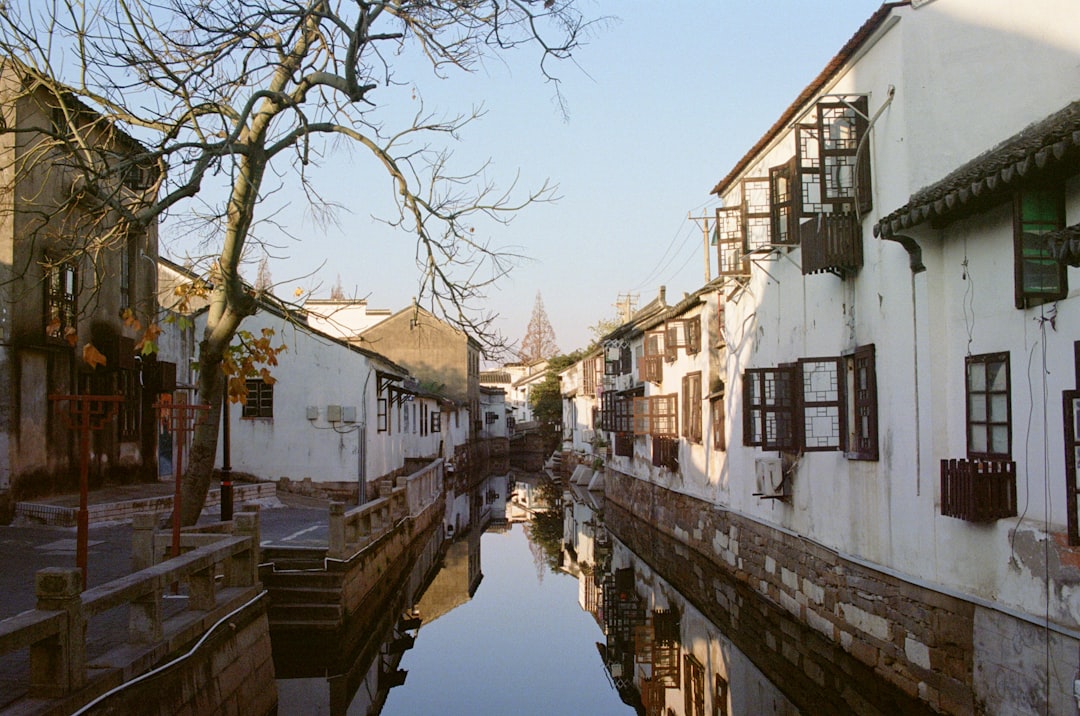
Many foreign tourists visiting China focus on Beijing, Xi’an, and Shanghai. But ancient towns offer something different: preserved traditional architecture, local folk culture, and slower-paced exploration.
The China Tourism Academy surveyed inbound tourists and published the official ranking “Top 10 Ancient Towns and Cities Loved by Inbound Tourists.” This guide covers the top three destinations foreign visitors consistently praise.
The Direct Answer
The China Tourism Academy’s official survey identified the most popular ancient towns for foreign tourists:
- Lijiang Old Town in Yunnan: UNESCO World Heritage site with ethnic minority culture and preserved architecture
- Zhujiajiao Ancient Town near Shanghai: Water town with canals, bridges, and traditional buildings
- Wuzhen in Zhejiang: Historic water town known for cultural festivals and preserved canal scenery
These destinations combine authentic atmosphere, cultural experiences, and accessible tourism infrastructure. They suit travelers seeking more than mainstream attractions.
Why Foreign Tourists Love These Towns
Over 60% of foreign tourists say experiencing Chinese culture is their primary travel purpose. Ancient towns deliver this directly:
- Preserved traditional architecture without modern high-rise clutter
- Ethnic minority traditions in places like Lijiang
- Canal scenery and water town atmosphere in Wuzhen and Zhujiajiao
- Walkable historic streets with local shops and food
These towns are also located near major tourist hubs, making them easy additions to standard routes.
Lijiang Old Town, Yunnan

Lijiang is located in southwest China’s Yunnan province. It’s a UNESCO World Heritage site famous for:
- Naxi ethnic minority culture: The local Naxi people maintain unique traditions, music, and clothing
- Preserved architecture: Wooden buildings, stone streets, and traditional layouts remain intact
- Mountain setting: Surrounded by mountains, the town offers scenic views and nearby nature exploration
How to reach Lijiang: Fly to Kunming, then take a flight or train to Lijiang. Many travelers combine Lijiang with Dali on a Yunnan route.
What to expect: Polish tourist Bernadette spent two weeks exploring Yunnan’s ancient towns including Dali and Lijiang. She learned about ethnic minorities like Bai and Yao peoples, wore traditional ethnic clothing, and described the journey from Dali to Lijiang as “absolutely amazing.”
Wuzhen, Zhejiang
Wuzhen is a water town located in Zhejiang province, near Hangzhou and Shanghai. It features:
- Canal network: Traditional waterways with wooden boats and stone bridges
- Preserved buildings: Historic residences, workshops, and shops along canals
- Cultural festivals: Hosts annual theater and cultural events
How to reach Wuzhen: From Shanghai or Hangzhou, take a bus or taxi. The trip takes about 1-2 hours from either city.
What to expect: Wuzhen offers a quieter alternative to busy Shanghai. Walk along canals, visit traditional workshops, and stay in historic accommodations.

Zhujiajiao Ancient Town, Shanghai
Zhujiajiao is located about 40 kilometers from Shanghai city center. It’s known as:
- Shanghai’s oldest water town: Over 1,700 years of history
- Canals and bridges: Thirty-six bridges connect different areas of the town
- Local food: Traditional snacks and riverside dining
How to reach Zhujiajiao: Take the Shanghai metro or bus to Zhujiajiao station. The trip takes about one hour from downtown Shanghai.
What to expect: Zhujiajiao is an easy day trip from Shanghai. It offers water town scenery without requiring overnight travel.
Related Knowledge
Transport: High-speed rail connects Kunming, Hangzhou, and Shanghai. From these hubs, local transport reaches the ancient towns.
Tickets: Some preserved historic areas charge entrance fees. Check official sites for current pricing.
Payment: Major tourist towns accept cards and mobile payments. Carry cash for small vendors.
Etiquette: Respect local ethnic minority customs in Lijiang. Photography rules may apply at certain cultural sites.
Best seasons: Yunnan has mild weather year-round. Water towns like Wuzhen and Zhujiajiao have seasonal beauty, especially during spring and autumn.
Common Mistakes
-
Not allowing enough time: Ancient towns reward slow exploration. Rushing through misses the atmosphere.
-
Missing ethnic culture experiences: In Lijiang, learning about Naxi traditions and wearing ethnic clothing enhances understanding.
-
Visiting only during peak hours: Early morning and evening offer quieter, more authentic moments.
-
Skipping local food: Traditional snacks in ancient towns often reflect regional specialties worth trying.
A Real Traveler Example
Bernadette, a Polish tourist, explored Yunnan’s ancient towns over two weeks. She visited Dali and Lijiang, learned about Bai and Yao ethnic minorities, and wore traditional ethnic clothing to experience local culture. Her journey demonstrated that foreign tourists who spend extended time in ancient towns gain deeper cultural appreciation than those on short visits.
Summary
The ancient towns foreign tourists love most offer:
- Lijiang: UNESCO heritage, ethnic minority culture, mountain scenery
- Wuzhen: Water town atmosphere, cultural festivals, canal network
- Zhujiajiao: Easy day trip from Shanghai, historic bridges, local food
Add at least one ancient town to your China itinerary if you seek cultural depth beyond major cities. Allow time for slow exploration, respect local customs, and consider overnight stays instead of rushed day trips.
Final words
More reading and next steps
That is the main thread of the article. Keep the links below handy, and use the related posts to continue exploring the same topic from a different angle.
References and links
- China Tourism Academy Official publisher of the survey on foreign tourist preferences for ancient towns and cities.
- Lijiang Old Town UNESCO World Heritage UNESCO listing for Lijiang Old Town with heritage information.
- Wuzhen Tourism Official tourism site for Wuzhen water town.
- Zhujiajiao Ancient Town Shanghai Official information for Zhujiajiao ancient town near Shanghai.
Comments