How to Choose a Route Combination for a 4-Week China Trip
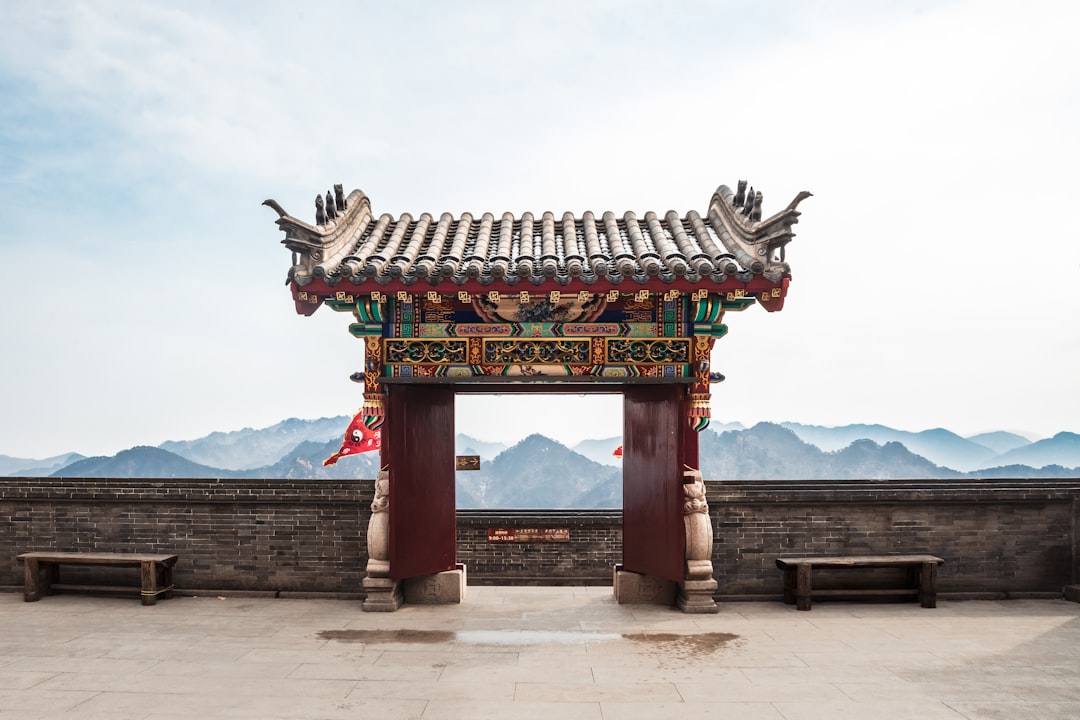
A 4-week China itinerary needs a route, not just a list of cities. Route combination determines the themes of your trip—history, nature, food, modern city life, or ethnic culture. It also affects transit efficiency, crowd levels, and how varied your experience feels.
The Direct Answer
Three route types work well for 4-week trips:
-
North-to-South classic route: Beijing → Xi’an → Chengdu → Guilin → Shanghai. History, food, nature, and modern city, ending at an international exit hub.
-
Southwest culture route: Chengdu → Lijiang → Dali → Kunming → Guilin. Focus on ethnic culture, landscapes, and regional food, skipping the major northern cities.
-
East-coast-plus-inland mixed route: Shanghai → Hangzhou → Guilin → Chengdu → Xi’an → Beijing. Starts in a modern city, adds nature and history, and finishes at a classic icon.
Each route mixes popular destinations with one or two lesser-known stops. The key is choosing the right balance for your travel style.
Why Route Choice Matters
Route combination shapes three things: themes, pace, and geographic efficiency.
Themes
Different regions offer different travel themes:
- North (Beijing, Xi’an): History, ancient architecture, imperial sites
- East Coast (Shanghai, Hangzhou): Modern city life, shopping, urban culture
- Southwest (Chengdu, Lijiang, Dali): Ethnic culture, regional food, mountain and lake scenery
- South (Guilin, Zhangjiajie): Karst landscapes, rivers, nature photography
If you visit only northern cities, your trip leans toward history. If you focus on the southwest, you get culture and scenery. Mixing regions gives you variety.
Pace
Geographic flow affects transit. A route that moves logically—north to south, or inland to coast—minimizes backtracking. A route that jumps between distant regions adds travel time.
For example, Beijing to Xi’an to Chengdu to Guilin to Shanghai follows a geographic arc. Each leg uses high-speed rail in 4-6 hours. Jumping from Beijing to Lijiang then back to Shanghai would require longer flights or rail routes.
Crowd Balance
Popular destinations attract more tourists. Lesser-known stops feel quieter. Mixing both prevents fatigue from crowded sites while still hitting must-see landmarks.
A classic route includes popular sites (Forbidden City, Terracotta Warriors) and quieter stops (Lijiang old town, Dali lakeside). Too many crowded sites can feel exhausting. Too many remote stops may miss the icons first-timers expect.
How to Choose a Route Type
North-to-South Classic Route
Cities: Beijing (5-6 days) → Xi’an (4-5 days) → Chengdu (4-5 days) → Guilin (3-4 days) → Shanghai (4-5 days)
Best for: First-time visitors who want iconic landmarks, history, and one nature stop, ending at an international hub.
Themes: History (Beijing, Xi’an), food and culture (Chengdu), nature (Guilin), modern city (Shanghai)
Pros: Logical geographic flow, high-speed rail connections, strong international departure options from Shanghai.
Trade-off: Includes several crowded tourist sites. First-timers may find peak-season crowds at Forbidden City and Terracotta Warriors.
Southwest Culture Route
Cities: Chengdu (4-5 days) → Lijiang (3-4 days) → Dali (3-4 days) → Kunming (2-3 days) → Guilin (3-4 days)
Best for: Repeat visitors who have seen Beijing and Shanghai, travelers seeking ethnic culture, scenery, and regional food.
Themes: Ethnic minority culture, mountain and lake landscapes, regional cuisine, relaxed pace
Pros: Fewer crowded landmarks, deeper regional immersion, varied landscapes, more authentic cultural experiences.
Trade-off: Misses iconic northern sites (Great Wall, Forbidden City). International departures may require a flight to Shanghai or Guangzhou.
East-Coast-Plus-Inland Mixed Route
Cities: Shanghai (4 days) → Hangzhou (2-3 days) → Guilin (3-4 days) → Chengdu (4 days) → Xi’an (4-5 days) → Beijing (5-6 days)
Best for: Travelers who want modern city life early, then transition to nature and history, ending at classic landmarks.
Themes: Modern urban culture first, nature second, history third
Pros: Starts in a city easy to reach from international flights, builds toward iconic sites, mixes themes.
Trade-off: Longer total transit distance, may feel like two separate trips if pace is too fast.
Balancing Popular and Lesser-Known Stops
How Many Lesser-Known Stops to Add
For a 4-week route, most travelers benefit from 1-2 lesser-known stops alongside popular cities.
Example: A classic North-to-South route (Beijing, Xi’an, Chengdu, Shanghai) plus Guilin gives you 4 popular cities and 1 nature stop. Adding Lijiang creates 4 popular cities and 2 quieter stops.
Too many lesser-known stops can reduce the iconic experiences first-timers expect. Too few may make the trip feel like a checklist of crowded sites.
Where Lesser-Known Stops Fit
Lesser-known destinations often work best:
- After a crowded city: A quieter stop lets you recover from tourist crowds.
- In a thematic gap: If your route lacks nature, add Guilin or Zhangjiajie. If your route lacks ethnic culture, add Lijiang or Dali.
- Near the end: A relaxed stop before your final exit city gives time to rest before international travel.
What Makes a Stop “Lesser-Known”
“Lesser-known” is relative. Lijiang and Dali are well-known in China but attract fewer international tourists than Beijing or Shanghai. Zhangjiajie draws crowds but offers a different experience from urban sites.
The goal is not obscurity. The goal is variety and crowd balance.
Common Mistakes to Avoid
Backtracking Routes
Jumping between distant regions creates unnecessary transit. Example: Beijing → Lijiang → Shanghai → Xi’an. This route crosses China twice, adding flight costs and long travel days.
Plan a route that flows geographically. Move in one direction or cluster nearby stops.
Ignoring Geographic Flow
Some city pairs are close. Xi’an and Chengdu are 3-4 hours by rail. Others are far. Beijing and Lijiang require a flight or long rail route.
Group nearby cities. Spread distant cities across the route with transit days between.
Overloading Nature Stops
Nature destinations like Zhangjiajie, Guilin, Lijiang, and Dali each deserve 3-4 days. Adding all four in one trip can crowd out history and urban experiences.
Choose 1-2 nature stops that match your route’s geographic flow. Save others for a future trip.
Skipping Exit Cities
Finish in a city with direct international flights. Shanghai, Beijing, Guangzhou, Chengdu, and Hong Kong all have strong international connections. Ending in a smaller city like Dali or Lijiang may require an extra domestic flight.
Practical Tips
Match Route to Experience Level
First-time visitors often prefer the classic North-to-South route. It hits major landmarks and ends at an international hub. Repeat visitors may focus on regional routes like Southwest China.
Use High-Speed Rail for Nearby Pairs
High-speed rail works well for Beijing-Xi’an, Xi’an-Chengdu, Chengdu-Guilin, Guilin-Shanghai. Each leg takes 4-6 hours. Flights may be faster for distant pairs like Beijing-Lijiang.
Add Buffer Days Between Regions
Transit between distant regions (North to Southwest, East to West) can take a full day. Plan a buffer day after major transit legs.
Check Seasonal Factors
Some nature stops work better in specific seasons. Guilin’s scenery is year-round, but Zhangjiajie’s hiking trails vary with weather. Lijiang and Dali are mild but can be crowded in summer.
Summary
A 4-week China itinerary needs a route, not a city count. Three common route types work well: North-to-South classic, Southwest culture, and East-coast-plus-inland mixed.
Choose a route based on themes (history, nature, culture, modern city), pace (logical geographic flow), and crowd balance (mixing popular and lesser-known stops).
Avoid backtracking, ignoring geographic flow, overloading nature stops, and skipping exit cities. Use high-speed rail for nearby city pairs and flights for distant jumps.
Match your route to your experience level and interests, and end in a city with easy international departure.
Final words
More reading and next steps
That is the main thread of the article. Keep the links below handy, and use the related posts to continue exploring the same topic from a different angle.
Comments