How to Explore the Bund's Historic Architecture in Shanghai
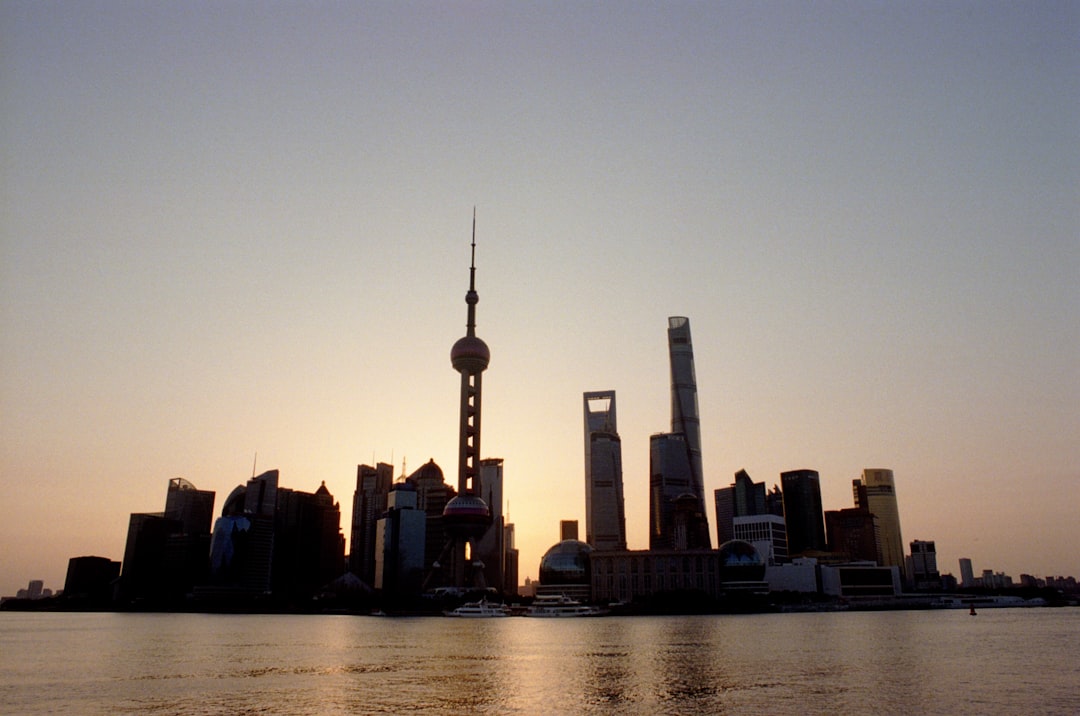
The Bund’s 52 preserved buildings offer one of Shanghai’s most distinctive experiences: a walk through colonial-era financial architecture from the 1920s, standing directly across from the futuristic Pudong skyline.
The Direct Answer
Walk from the Peace Hotel (No. 20) southward toward Customs House and Broadway Mansions to see the Bund’s most iconic colonial-era buildings. Each building has a plaque explaining its history, and a 1-2 hour walk covers the core 1.5km waterfront stretch. The route works best in early morning for photography or evening for skyline contrast.
Why the Bund’s Architecture Matters
The Bund represents Shanghai’s colonial era from 1843 to 1949, when foreign powers established banks, trading houses, and hotels along the Huangpu River. The buildings span Baroque, Gothic, Renaissance, and Art Deco styles, creating an architectural timeline of early 20th-century design.
What makes this walk unique is the visual contrast: historic 1920s facades face directly toward Pudong’s 21st-century skyscrapers across the river. This juxtaposition captures Shanghai’s transformation from colonial port to global financial center.
Walking Route with Key Buildings
Start: Peace Hotel (No. 20 Zhongshan East 1st Road)
The Peace Hotel, built in 1929, is one of Shanghai’s most recognizable Art Deco landmarks. Its green-tiled pyramid roof and detailed facade make it a natural starting point. The hotel lobby often allows visitors to enter and view the restored Art Deco interior during daytime hours.
Southward Walk: Customs House (No. 13)
The Customs House features a prominent clock tower that has marked Shanghai’s port activity since 1927. The building’s classical design represents the British colonial administrative presence. Visitors can photograph the clock tower from the promenade.
North End: Broadway Mansions (No. 21)
Broadway Mansions, completed in 1934, sits at the northern end of the Bund. Its stepped design and river-facing position offer strong architectural photography angles. The building now operates as a hotel with public areas accessible during reasonable hours.
Between Stops: Read the Plaques
Most historic buildings display information plaques explaining their original purpose, construction date, and architectural style. These plaques provide historical context that adds depth beyond visual appreciation.
How to Reach the Bund
Metro: Take Line 2 or Line 10 to East Nanjing Road station. Walk south about 500 meters toward the Huangpu River waterfront.
Walking approach: From East Nanjing Road, follow the pedestrian path toward the river. The Bund promenade begins where Nanjing Road meets Zhongshan East 1st Road.
Alternative: Take a taxi or ride-share directly to the Peace Hotel address for a building-first approach.
Best Timing for the Walk
Early morning (7-9am): Fewer crowds, softer natural light for building facades, better photography conditions before tourist groups arrive.
Late afternoon (4-6pm): Warm light on western-facing facades, plus the Pudong skyline begins to illuminate as sunset approaches.
Evening: Buildings illuminate, Pudong skyline fully lit, but crowds increase and architectural details become harder to see.
Avoid midday on weekends when promenade crowds make photography difficult and walking pace slows significantly.
Common Mistakes
Skipping the plaques
Many visitors photograph facades without reading the historical context. The plaques explain each building’s original bank, trading house, or hotel function, which transforms a visual walk into a historical tour.
Wrong timing for photos
Midday sunlight creates harsh shadows on building facades, and afternoon crowds block clear sightlines. Morning visits consistently produce better architectural photos.
Missing interior access opportunities
Some historic buildings like the Peace Hotel allow lobby entry during reasonable hours. Visitors who only walk the promenade miss restored interior details that survive from the colonial period.
Ignoring the river perspective
The Huangpu River promenade offers views back toward the Bund architecture with Pudong in frame. This angle captures the historic-modern contrast that defines the Bund’s visual identity.
What to Expect
- The core architectural stretch spans about 1.5km
- Walking pace with plaque reading takes 1-2 hours
- Most buildings remain in commercial use as hotels, banks, or retail
- Interior access varies by building and may change seasonally
- Photography from the promenade has no restrictions
- Building interiors may have different photography policies
Summary
The Bund’s architectural walk delivers a concentrated history lesson through building design. Start at Peace Hotel, walk south toward Customs House, read the plaques, and allow 1-2 hours. Morning visits offer the best conditions. The plaques and river promenade perspective complete the experience beyond facade photography.
Final words
More reading and next steps
That is the main thread of the article. Keep the links below handy, and use the related posts to continue exploring the same topic from a different angle.
Comments