Zhangjiajie vs Huangshan: Which China Nature Destination Is Better for First-Time Visitors?
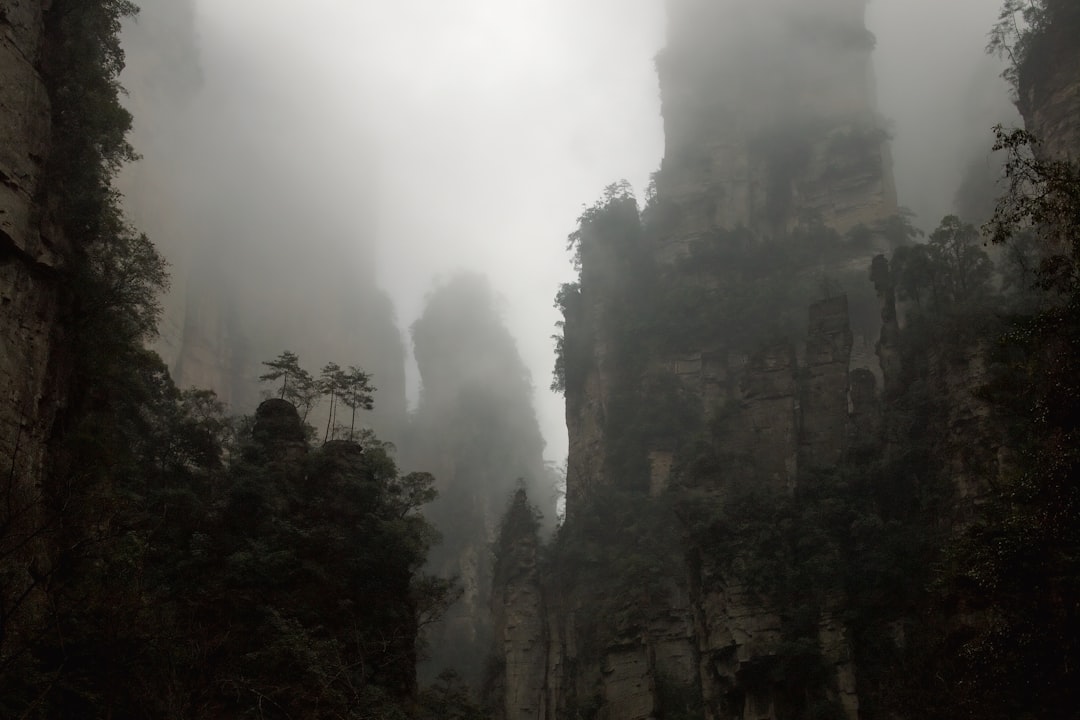
Choosing between Zhangjiajie and Huangshan for your first China nature experience? The decision depends on what you want from a mountain: Zhangjiajie offers dramatic Avatar-style scenery with easier photo access, while Huangshan delivers classic Chinese mountain culture and sunrise views. Both are UNESCO World Heritage sites, but they serve different travel styles.
The Direct Answer
-
Choose Zhangjiajie if you want dramatic, otherworldly landscapes and easier photography opportunities. The quartz sandstone pillars inspired Avatar’s floating mountains and offer unique scenery unlike anywhere else.
-
Choose Huangshan if you want traditional Chinese mountain culture, sunrise or sunset views, and the classic “sea of clouds” experience. Huangshan represents the mountain experience Chinese travelers have valued for centuries.
Both require moderate hiking effort. Zhangjiajie has more cable car options for easier access. Huangshan sits closer to the Beijing-Shanghai travel corridor.
What Makes Zhangjiajie Unique
Zhangjiajie’s quartz sandstone pillars create the “floating mountain” effect that inspired Avatar. The pillars rise from subtropical forest, often shrouded in mist, giving a visual drama that is unique worldwide.
Key features:
- Avatar Hallelujah Mountain (formerly South Heaven Pillar)
- Tianmen Mountain with glass plank road
- More than 3,000 narrow sandstone pillars across the park
- Cable cars and elevators reduce hiking difficulty
Recommended visit duration: Usually 3-4 days to cover multiple scenic areas.
Zhangjiajie suits travelers who prioritize photography and want scenery that looks dramatically different from typical mountain ranges. The glass plank road at Tianmen Mountain adds an adventure element for thrill-seeking visitors.
What Makes Huangshan Classic
Huangshan represents the traditional Chinese mountain experience. Chinese travelers have valued this mountain for centuries, and a famous saying captures its status: “After seeing Huangshan, you won’t even want to see the Five Great Mountains.”
The Four Wonders:
- Strange pines: Gnarled trees growing from rock crevices
- Absurd stones: Unusual rock formations shaped by erosion
- Sea of clouds: Cloud layers filling valleys below peaks (weather-dependent)
- Hot springs: Natural springs at the base for relaxation after hiking
Key features:
- Welcome Pine—the iconic twisted tree welcoming visitors
- West Sea Grand Canyon for extended hiking
- Bright Top peak for sunrise viewing
- Overnight options on the mountain for sunrise/sunset
Recommended visit duration: Typically 2-3 days.
Huangshan suits travelers who want authentic Chinese mountain tradition rather than novelty. If you care about sunrise photography and cultural significance, Huangshan delivers.
Geographic Fit in Your Route
Huangshan has a practical advantage: it sits in Anhui province along the eastern travel corridor between Beijing and Shanghai. You can add Huangshan as a stop between the two major cities without a major detour.
Zhangjiajie is in Hunan province, requiring a separate journey from the Beijing-Shanghai axis. If your route is Beijing-Shanghai based, Zhangjiajie adds complexity. If you’re already including Chengdu, Zhangjiajie fits better since both are western destinations.
Route implications:
- Beijing → Huangshan → Shanghai: Natural progression
- Beijing → Shanghai → Chengdu → Zhangjiajie: Requires planning but covers more variety
Hiking Difficulty Comparison
Both mountains require moderate fitness, but access differs:
| Aspect | Zhangjiajie | Huangshan |
|---|---|---|
| Cable cars | More extensive network | Available but fewer options |
| Hiking intensity | Moderate, with shortcuts | Moderate to demanding |
| Summit access | Elevators available | Hiking or cable car required |
| Photography ease | High— viewpoints accessible | Medium—some viewpoints require hiking |
Some sources describe Zhangjiajie as easier due to more cable cars. Others note that Huangshan’s cable car options still reduce hiking demands. Both require reasonable fitness; neither is technically climbing.
How to Choose Based on Your Priorities
| Your Priority | Recommended Choice |
|---|---|
| Avatar-style photography | Zhangjiajie |
| Sunrise or sunset views | Huangshan |
| Classic Chinese mountain culture | Huangshan |
| Adventure element (glass plank road) | Zhangjiajie |
| Route convenience | Huangshan (closer to Beijing-Shanghai) |
| Longer scenic variety | Zhangjiajie (multiple park areas) |
If you have time for only one nature destination and your route is city-focused, Huangshan integrates more smoothly. If you specifically want the Avatar visual experience, Zhangjiajie is worth the extra travel effort.
Practical Tips for Either Mountain
Booking:
- Reserve entry tickets online before arrival
- Peak seasons (Chinese holidays) sell out quickly
Weather:
- Visibility at both mountains depends on weather conditions
- “Sea of clouds” at Huangshan requires specific weather patterns
- Mist can obscure views or enhance them unpredictably
Accommodation:
- Huangshan offers mountain-top hotels for sunrise access
- Zhangjiajie accommodations cluster at the base
Packing:
- Comfortable hiking shoes required at both
- Layers for temperature changes between base and summit
- Rain gear recommended
Common Mistakes
- Choosing based on distance alone: Both require travel effort; prioritize scenery preference
- Expecting guaranteed views: Weather affects visibility at both mountains
- Underestimating hiking: Neither is a casual walk; plan reasonable fitness
- Skipping cable cars: Use them to reduce fatigue and extend your exploration time
- Rushing either mountain: Both deserve full days, not quick visits
Final words
More reading and next steps
That is the main thread of the article. Keep the links below handy, and use the related posts to continue exploring the same topic from a different angle.
References and links
- Zhangjiajie National Forest Park Official portal for Zhangjiajie tourism with park information and visitor resources
- Huangshan Yellow Mountain Tourism Official site for Huangshan tourism with trail maps and accommodation options
- UNESCO World Heritage - Zhangjiajie UNESCO listing describing Zhangjiajie's geological significance and protected status
- UNESCO World Heritage - Huangshan UNESCO listing for Huangshan covering its cultural and natural heritage values
Comments