Can I Travel Around China During Transit Visa Exemption? Movement Rules Explained
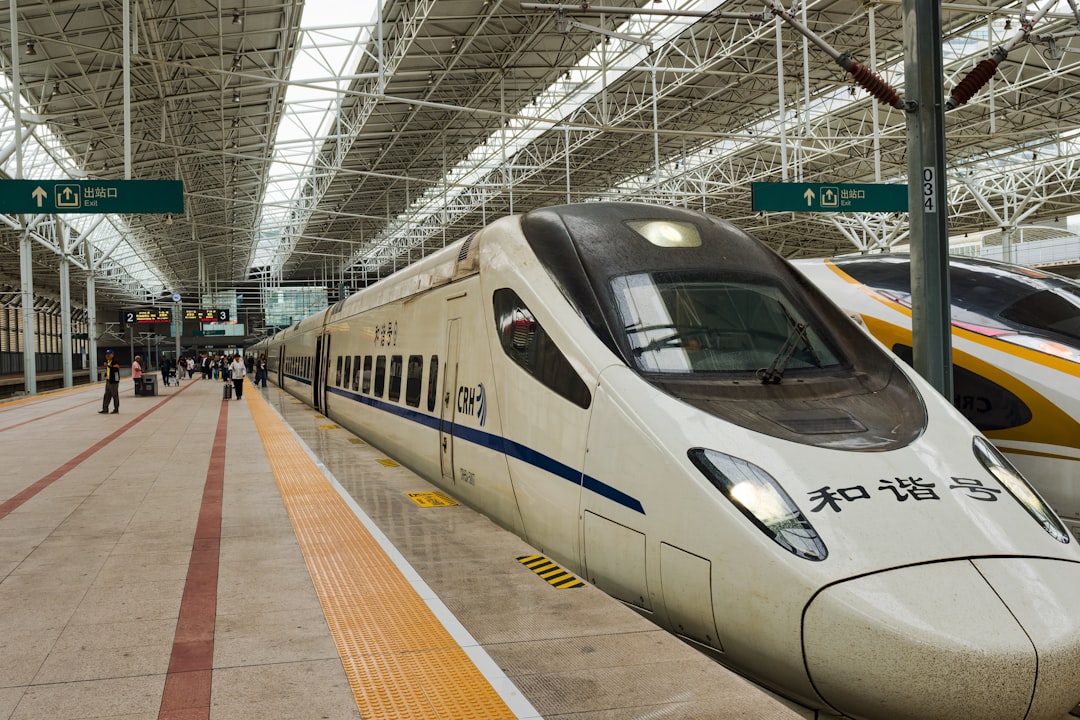
Yes, you can travel around most of China during the transit visa exemption period. The policy no longer restricts you to only the port of entry region. After entering through Shanghai PVG, you can visit Nanjing, Suzhou, travel by train to Chengdu or Kunming, and explore widely within mainland China—as long as you exit to a third country or region within the allowed 240 hours.
How Movement Rules Have Changed
Earlier versions of the transit exemption policy restricted movement to specific zones near the entry point. For example, entering through Shanghai previously limited you to Shanghai and nearby areas.
Current policy allows travel across almost all of mainland China. The entry and exit points are fixed, but your movement within China is flexible.
The key constraint is time: you must exit within 240 hours. Your freedom to travel is limited only by how far you can go and return within this timeframe.
What You Can Do: Trains, Flights, City Visits
High-Speed Train Travel
China’s high-speed rail network makes distant city visits realistic. From Shanghai, you can reach:
- Nanjing - 1-2 hours by train
- Suzhou - About 1 hour
- Hangzhou - About 1 hour
- Chengdu - About 11-12 hours by train
- Kunming - About 11 hours by train
If you have enough time within your 240-hour window, long-distance train travel is permitted.
Internal Flights
You can also take domestic flights within China during transit. This may be faster for distant destinations, though you should verify current rules before booking.
City Visits
Visit multiple cities as long as you manage your time. The policy does not track your internal movement—it only checks your entry and exit points.
Real Example: Shanghai to Chengdu by Train
A commenter in a recent discussion explicitly said: “You could enter at PVG then hop on a train all the way to Chengdu or Kunming if you wanted to.”
This demonstrates:
- Shanghai entry allows distant west China travel
- Long-distance train travel is permitted
- Movement across provinces is not restricted
Plan carefully: Chengdu is about 11-12 hours from Shanghai by train. You need enough buffer time to return and exit before your 240-hour limit expires.
Cities Accessible from Shanghai Entry
From Shanghai Pudong entry, common destinations include:
| City | Travel Time | Highlights |
|---|---|---|
| Nanjing | 1-2 hours | Historical capital, Ming sites |
| Suzhou | 1 hour | Classical gardens, canals |
| Hangzhou | 1 hour | West Lake, tea culture |
| Beijing | 4-5 hours | Capital, Great Wall access |
| Chengdu | 11-12 hours | Pandas, spicy cuisine |
| Kunming | 11 hours | Spring city, ethnic diversity |
Choose destinations based on your time budget. Stay duration must include travel time both ways plus sightseeing.
Time Constraint: The Real Limit
Your movement freedom is bounded by time:
- 240 hours total from entry to exit
- Travel time counts toward this limit
- Buffer for delays is essential
Example Time Budget
For a Chengdu trip from Shanghai:
- Shanghai to Chengdu: 11-12 hours
- Chengdu stay: 1-2 days minimum
- Chengdu to Shanghai: 11-12 hours
- Shanghai to Hong Kong exit: 2-3 hours
- Buffer for delays: 6-8 hours
This uses most of your 240 hours. Chengdu is possible but tight. Nanjing or Suzhou are easier within shorter stays.
Possible Exceptions
Some remote regions may have different rules or restrictions:
- Tibet - May require special permits beyond transit exemption
- Xinjiang - Some areas may have additional requirements
Before traveling to remote border regions, verify whether transit exemption alone is sufficient. Most tourist cities in central and eastern China are accessible.
How to Plan Within 240 Hours
-
Choose entry and exit points - Shanghai PVG entry, Hong Kong exit (for example)
-
Select destinations - Based on travel time and your interests
-
Calculate travel time - Include trains/flights both ways
-
Plan sightseeing time - Allow reasonable visit duration
-
Add buffer - At least 6-8 hours for delays
-
Book onward ticket - Exit must be confirmed within 240 hours
Summary
- Movement is flexible - travel around most of China
- Time is fixed - exit within 240 hours
- Use high-speed rail for efficient travel
- Plan destinations based on travel time
- Add buffer for delays
- Some remote regions may have exceptions—verify before travel
Final words
More reading and next steps
That is the main thread of the article. Keep the links below handy, and use the related posts to continue exploring the same topic from a different angle.
Comments