Which Caves to See at the Mogao Caves: A Practical Guide to Must-Visit Grottoes
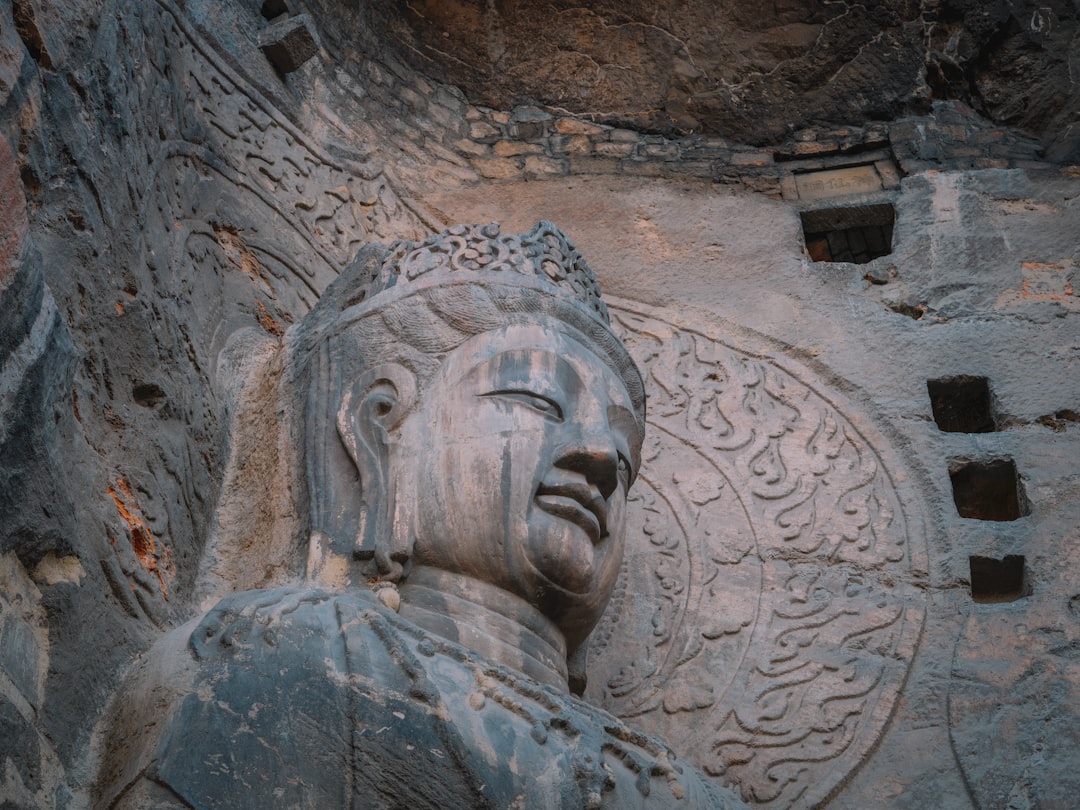
The Mogao Caves contain 735 caves, but only 60-80 open daily. On a regular ticket, you see 8-12 caves with a guide, and the selection is random. This guide explains what to look for in each cave so you can appreciate what you see and identify worthwhile caves to revisit.
The Direct Answer
You cannot choose which caves to visit on a regular tour. Guides assign groups randomly to different routes. However, knowing what each cave contains helps you recognize significant art when you see it.
Regular tours typically include notable caves such as:
- Cave 96: The iconic nine-story pavilion with the largest Buddha (35.5 meters)
- Caves 16-17: The famous Library Cave where manuscripts were hidden
- Cave 328: Excellent Tang Dynasty sculptures
- Cave 23: Best-preserved mural colors
For the best experience, join your assigned group, then discreetly follow other groups after your tour to see additional caves.
Why Knowing Cave Contents Helps
The guide explains each cave briefly, but the tour moves fast. If you know what to look for, you can focus on key details instead of trying to understand everything at once.

Must-See Regular Caves
Here are caves commonly included on regular tours and what makes each one notable.
Cave 96: The Giant Buddha
This is the cave you see from outside, the nine-story wooden pavilion that appears in almost every Mogao photograph. Inside stands a 35.5-meter seated Buddha, the largest at Mogao.
The pavilion exterior dates from the Tang Dynasty (rebuilt multiple times). The Buddha inside dates from the same period. You cannot enter the cave directly, but you see it from the exterior and the guide explains its significance.
What to look for: The scale of the Buddha relative to the building, and the intricate wooden architecture of the pavilion facade.
Caves 16-17: The Library Cave
Cave 16 is a large hall-style cave. Cave 17, a small chamber behind Cave 16, is the famous Library Cave where tens of thousands of manuscripts, paintings, and textiles were hidden around the 11th century.
In the early 1900s, foreign expeditions removed most of these materials. The Library Cave is now empty, but the guide explains its history.
What to look for: The small hidden chamber and understanding why this discovery changed Buddhist studies worldwide.
Cave 23: Best-Preserved Colors
A High Tang cave with exceptionally well-preserved mural colors. The cave illustrates the Lotus Sutra with narrative scenes arranged across the walls.
What to look for: Compare the color saturation in Cave 23 to other caves. The blues, greens, and reds remain vivid because this cave was less exposed to moisture.
Cave 328: Tang Dynasty Sculptures
This cave contains some of the best Tang Dynasty sculptures at Mogao. One original statue was removed in the early 20th century and now sits at Harvard University’s art museum.
What to look for: The sculptural detail, especially the bodhisattva figures on each side of the Buddha. Notice the graceful poses and naturalistic drapery.
Cave 61: Mount Wutai Map
A Five Dynasties cave famous for its mural map of Mount Wutai, a sacred Buddhist mountain. This is considered one of the earliest geographic murals in Chinese art, showing temples, roads, and pilgrim routes.
What to look for: The detailed landscape showing temples, travelers, and mountain paths, a rare example of Buddhist geographic art.

Special Caves Worth the Extra Cost
Special caves require separate tickets (150-200 RMB per cave). If budget allows, Cave 45 is the top recommendation.
Cave 45: Tang Dynasty Masterpiece
Cave 45 represents the highest level of High Tang cave art. The sculptures show exceptional detail, proportion, and expressiveness. The mural compositions demonstrate sophisticated narrative storytelling.
Why it matters: Art historians consider Cave 45 one of the finest Tang caves in China. If you care about Chinese sculpture, this cave is worth the extra cost.
Budget alternative: The Dunhuang Museum (free entry) has a high-quality replica of Cave 45 where photography is allowed.
Free Alternative: Exhibition Center Replicas
The Exhibition Center near the Digital Center contains eight replica caves:
- Caves 3, 217, 220, 249, 275, 285, 419 (from Mogao)
- Cave 25 (from Yulin Caves, another Dunhuang site)
These replicas allow photography. Some are copies of caves that are not open for regular visits. If you want to study cave art in detail or take photos, spend time here after your regular tour.
Practical Tips for Seeing More Caves
Tip 1: Follow Other Groups
After your assigned tour ends, you can politely follow other groups from a distance. Different groups see different caves. By following multiple groups, you may see more caves without paying extra.
Be respectful. Stay behind the group, do not interrupt the guide, and do not block other visitors.
Tip 2: Visit in Morning
Morning tours tend to see more caves. Afternoon tours may be shorter due to time constraints.
Tip 3: Ask Your Guide
Guides sometimes mention which caves your group will visit. If you hear about a cave you particularly want to see, pay attention during that section.
Tip 4: Use Exhibition Center for Study
If you want to photograph or examine details, go to the Exhibition Center. The replicas are precise copies, and you can take your time without time limits or photography bans.
What the Sources Confirm vs. What They Do Not
Confirmed:
- Regular tours include 8-12 caves (varies by season and ticket type)
- Emergency tickets (peak season overflow) include only 4 caves
- Cave assignments are random
- Photography is prohibited inside all caves
Not confirmed:
- Which caves are on which tour route on a given day
- Whether Cave 45 or other special caves are available on a given day
- Exact sculptures visible (conservation status changes)
Quick Reference: Key Caves
| Cave | Era | Key Feature |
|---|---|---|
| 96 | Tang | Largest Buddha (35.5m), nine-story pavilion |
| 16-17 | Late Tang | Library Cave (empty, historical significance) |
| 23 | High Tang | Best-preserved mural colors |
| 328 | High Tang | Excellent Tang sculptures |
| 61 | Five Dynasties | Mount Wutai geographic map |
| 45 (special) | High Tang | Pinnacle of Tang sculptural art |
Final words
More reading and next steps
That is the main thread of the article. Keep the links below handy, and use the related posts to continue exploring the same topic from a different angle.
Comments